
Top 5 Industrial Grinding Mills for Processing Hard Rock & Minerals
We provide a wide range of mills — including Raymond mill, trapezoidal mill, vertical mill, ultrafine mill, and ball mill, obtained ISO9001 international quality certification, EU CE certification, and Customs Union CU-TR certification. Suitable for processing minerals such as limestone, phosphate, quicklime, kaolin, talc, barite, bentonite, calcium carbonate, dolomite, coal, gypsum, clay, carbon black, slag, cement raw materials, cement clinker, and more.
The discharge range of these mills can be adjusted to meet specific processing needs, typically from 80-400 mesh, 600-3250 mesh, and can achieve the finest particle size of up to 6000 mesh(D50).
If you are looking for a reliable grinding solution to turn stone or minerals into fine powder, please feel free to contact our online customer service.
Top 5 Industrial Grinding Mills for Processing Hard Rock & Minerals
Selecting the right grinding mill is a critical decision for any operation processing hard rock and industrial minerals. The choice impacts everything from throughput and product quality to operational costs and environmental compliance. Based on industry performance and technological advancements, here are the top 5 mill types dominating the sector today.
1. Vertical Roller Mills (VRM)
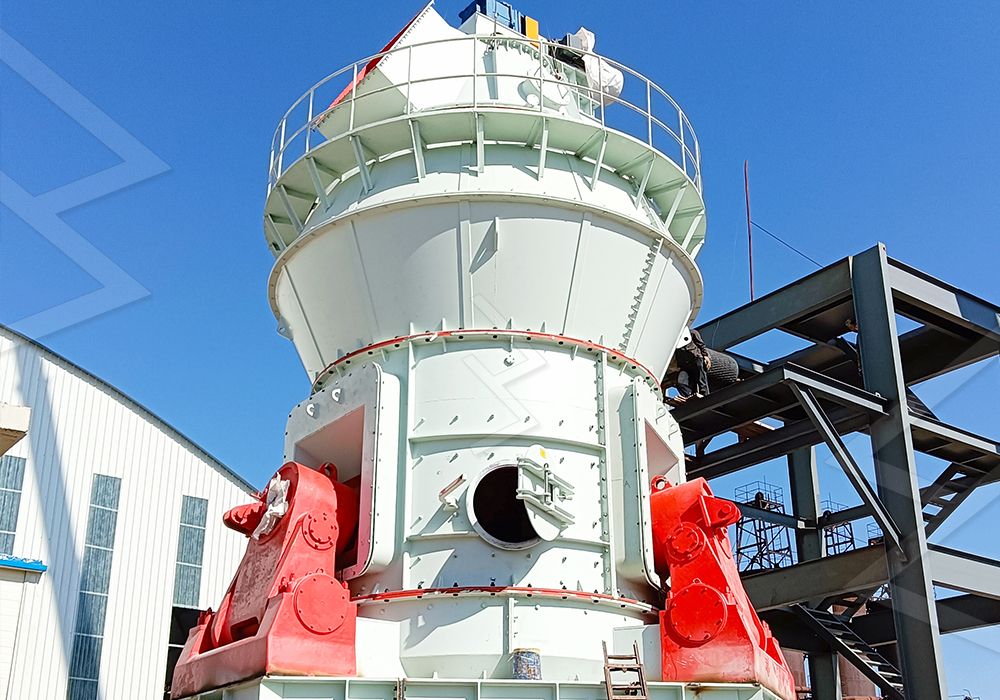
Vertical Roller Mills have become a staple for large-scale mineral processing. Their integrated drying, grinding, classifying, and conveying system offers a compact footprint, often reducing the occupational area by 50% compared to traditional ball mills. A key player in this category is the LM Vertical Grinding Mill. It’s renowned for its ability to handle feed sizes up to 70mm and achieve massive capacities ranging from 3 to 340 tph. Its biggest advantages are significant energy savings (30%-40% less than ball mills) and lower iron contamination in the final product, which is crucial for applications demanding high whiteness and purity. Its stability and fully sealed, negative-pressure operation also make it an evironmentally friendly choice.
2. European Trapezium Mills
For operations requiring a robust and efficient grinding solution for medium-hard to hard materials, the European Trapezium Mill is a top contender. The MTW-Z European Trapezium Mill stands out with its advanced features. It utilizes a dilute oil lubrication system for its grinding rollers, a maintenance-friendly technology that reduces long-term costs. The absence of a shovel blade cylinder in its grinding chamber allows for larger ventilation areas and lower air-conveying resistance. Furthermore, its elastic volute damping structure effectively minimizes vibration, ensuring more stable and reliable operation. It’s an excellent all-rounder for materials like feldspar, calcite, and barite.
3. Ultrafine Grinding Mills
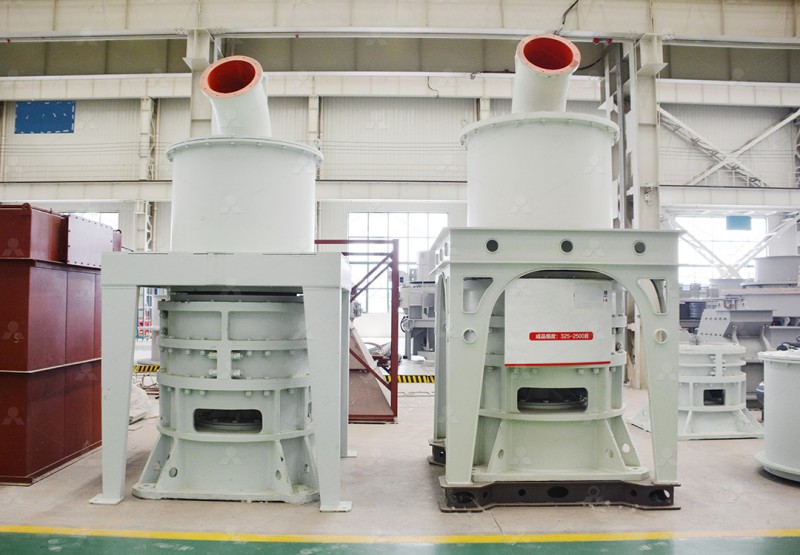
When your product spec demands ultra-fine powders in the range of 325 to 2500 meshes, specialized ultrafine mills are indispensable. This is where our MW Ultrafine Grinding Mill truly excels. Designed for customers who need to make ultra-fine powder, this machine is a game-changer. It boasts a yield that is 40% higher than jet mills and twice that of ball mills with the same power, all while consuming 30% less energy. A key innovation is the absence of rolling bearings and screws in the grinding chamber, eliminatng common failure points and allowing for external lubrication without shutdown. Coupled with its efficient pulse dust collector, it operates with minimal dust and noise, making it a superior eco-friendly choice for producing powders for cosmetics, medicine, and high-end chemicals.
4. Ball Mills
The classic ball mill remains a reliable and widely used workhorse in the industry. Its simplicity, lower initial investment, and ability to grind a wide variety of materials make it a safe bet for many applications. While it may not be the most energy-efficient option compared to newer technologies, its versatility for both wet and dry grinding and its proven track record keep it firmly on this list. Modern ball mills offer improved liner and ball designs for better efficiency and are often the go-to for cement blending and primary grinding stages.
5. Raymond Mills (Roller Mills)
Raymond Mills, or roller mills, represent the first generation of grinding mills but have been consistently optimized over the years. They are prized for their small covered area, low investment cost, and low consumption. The modern R-series Raymond mills are perfect for desulfurization projects in power plants, milling non-metallic ores, and other industries where medium-fine powders are sufficient. Their straightforward principle of oscillating rollers pressing against a ring provides a dependable and cost-effective grinding solution for less demanding applications.
Conclusion
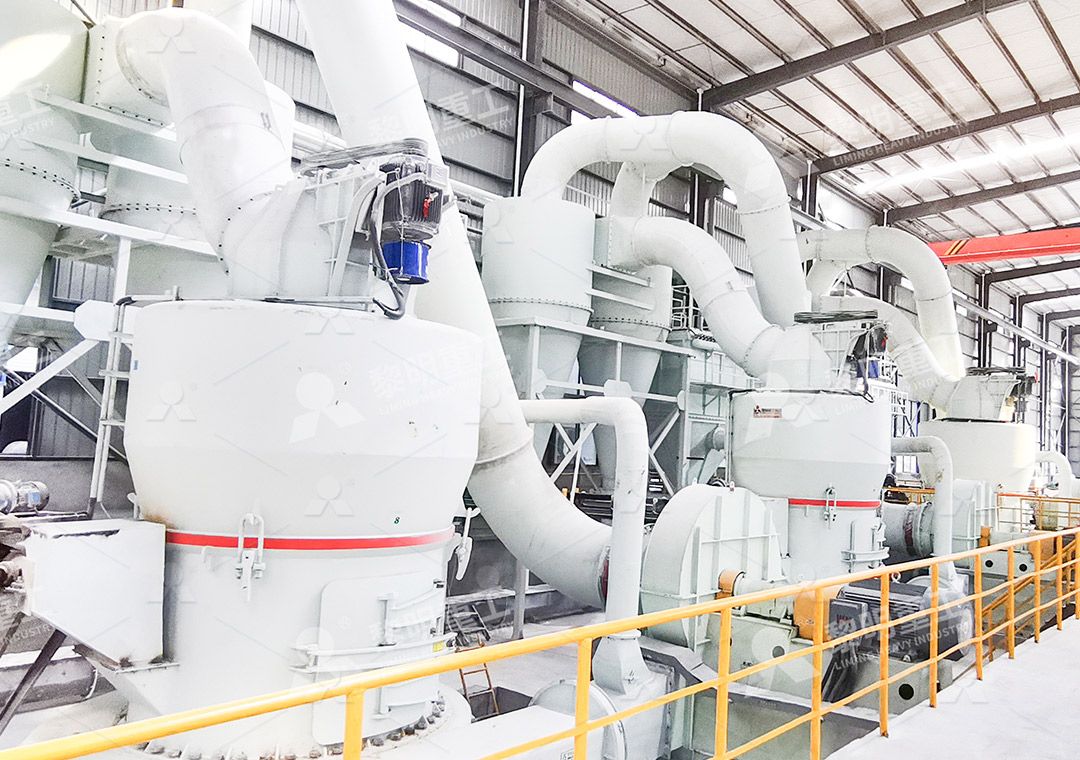
The ideal grinding mill is not a one-size-fits-all solution but depends on your specific material, desired fineness, capacity requirements, and budget. For large-scale, efficient mineral processing, the LM Vertical Mill is a powerhouse. For achieving superior ultra-fine powders with remarkable efficiency and reliability, our MW Ultrafine Grinding Mill, with its input size of 0-20mm and capacity of 0.5-25 tph, is an unbeatable choice for forward-thinking operations. Always consult with an expert to match the mill’s capabilities with your project’s unique demands.