
Top 5 Hot Rolling Mill Suppliers in Indonesia for Steel Production
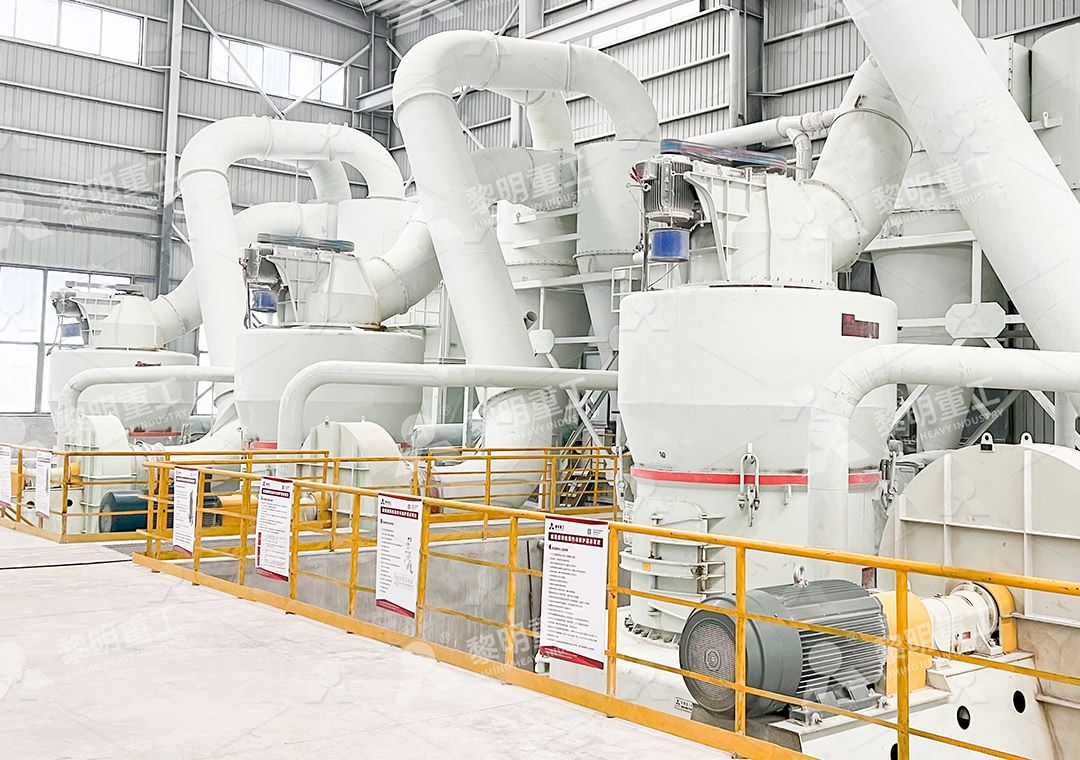
We provide a wide range of mills — including Raymond mill, trapezoidal mill, vertical mill, ultrafine mill, and ball mill, obtained ISO9001 international quality certification, EU CE certification, and Customs Union CU-TR certification. Suitable for processing minerals such as limestone, phosphate, quicklime, kaolin, talc, barite, bentonite, calcium carbonate, dolomite, coal, gypsum, clay, carbon black, slag, cement raw materials, cement clinker, and more.
The discharge range of these mills can be adjusted to meet specific processing needs, typically from 80-400 mesh, 600-3250 mesh, and can achieve the finest particle size of up to 6000 mesh(D50).
If you are looking for a reliable grinding solution to turn stone or minerals into fine powder, please feel free to contact our online customer service.
Navigating Indonesia’s Steel Production Landscape
Indonesia’s steel industry is a cornerstone of its rapidly growing economy, fueling infrastructure development and manufacturing sectors. The demand for high-quality steel products has never been greater, placing immense importance on the equipment that forms the backbone of production lines. Hot rolling mills, in particular, are critical for shaping steel into usable forms like plates, sheets, and bars. The choice of supplier can significantly impact a plant’s efficiency, product quality, and long-term profitability. This article explores the top-tier suppliers serving the Indonesian market and highlights the technological advancements that are shaping the future of steel production.
1. PT. Krakatau Steel (Persero) Tbk
As a state-owned enterprise, PT. Krakatau Steel is not only a major producer but also a significant player in supplying and maintaining rolling mill technology within Indonesia. Their integrated steel complex in Cilegon, Banten, is one of the largest in Southeast Asia. They have extensive experience in operating and sourcing technology for both hot and cold rolling processes, often collaborating with international engineering firms to implement modern solutions. For companies looking for a local partner with deep-rooted experience and government backing, Krakatau Steel represents a formidable option.
2. SMS Group
A German global leader in plant and machine engineering, SMS Group has a strong presence in Indonesia. They are renowned for their innovative and high-performance hot rolling mills for long and flat products. Their technologies focus on sustainability, energy efficiency, and digitalization, offering solutions like the Compact Strip Production (CSP) plant, which minimizes energy consumption and operational costs. Their local service teams ensure reliable support and maintenance, a critical factor for minimizing downtime in continuous production environments.
3. Primetals Technologies
Born from a joint venture of Siemens, Mitsubishi Heavy Industries, and partners, Primetals Technologies brings a wealth of European and Japanese engineering excellence to the table. They offer a comprehensive range of hot rolling solutions, including endless rolling technology that significantly increases yield and productivity. Their strong focus on digitalization and automation through solutions like their Plant Visualization System helps Indonesian steelmakers optimize their processes and improve product consistency.
4. Danieli & C. Officine Meccaniche S.p.A.
This Italian giant is a key supplier to the global metallurgical industry, including Indonesia. Danieli is known for its robust and reliable rolling mill designs, emphasizing low operational costs and high availability. Their QSP (Quality Strip Production) technology for thin-slab casting and rolling is particularly notable for producing high-quality strips with exceptional surface quality. Danieli’s commitment to providing ‘mini-mill’ technologies that are cost-effective makes them a popular choice for various scales of operation in Indonesia.
5. China First Heavy Industries (CFHI)
As a major Chinese heavy machinery manufacturer, CFHI offers competitive and technologically advanced rolling mill equipment. They have been increasingly active in the Indonesian market, providing complete plant setups and key machinery. Their strength lies in offering a balance of performance and cost-effectiveness, making advanced steel production technology accessible to a wider range of investors in the region.
Enhancing Downstream Value with Advanced Grinding Technology
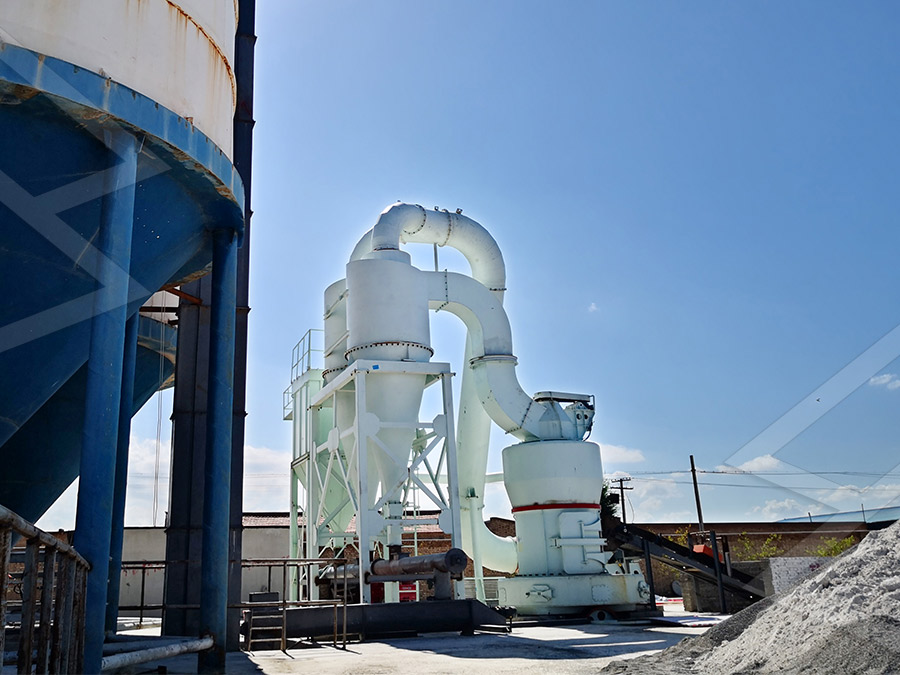
The production chain doesn’t end with the rolling mill. To maximize the value of steel production by-products or to process minerals for various industrial applications, advanced grinding technology is indispensable. For operations requiring the production of ultra-fine powders from materials like limestone, barite, or slag, the choice of grinding mill is critical.
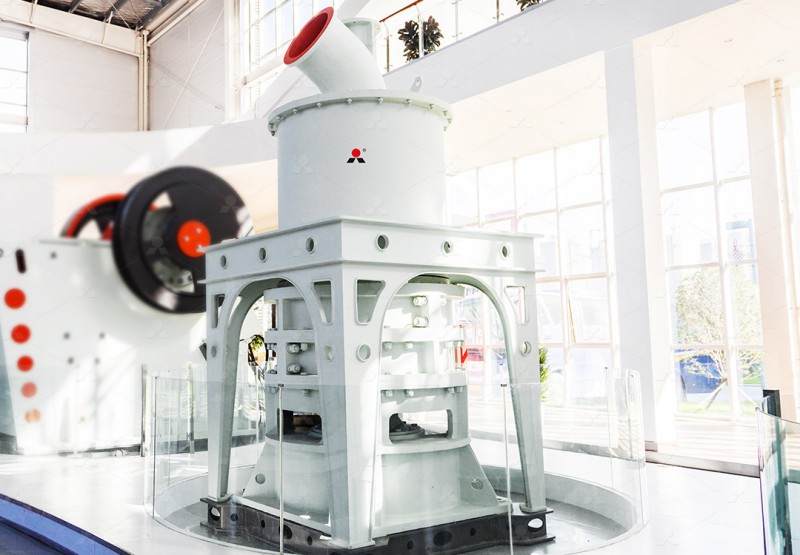
In this context, the MW Ultrafine Grinding Mill stands out as a premier solution. Designed for customers needing to make ultra-fine powder between 325-2500 meshes, this machine is engineered for higher yield and lower energy consumption. Its innovative design features newly designed grinding curves that enhance efficiency, resulting in a production capacity 40% higher than jet mills while using only 30% of the energy. A significant operational advantage is the absence of rolling bearings and screws in the grinding chamber, eliminating common failure points and allowing for external lubrication without shutdown, enabling continuous 24/7 operation. Furthermore, its efficient pulse dust collector and muffler ensure the production process is environmentally friendly, aligning with modern industrial standards.
For projects requiring vertical grinding solutions, the LUM Ultrafine Vertical Grinding Mill is another excellent option. It integrates grinding, grading, and transporting with higher yielding rates and better quality finished products. Its multi-head powder separating technology and PLC control system offer precise control over grinding parameters, leading to energy savings of 30%-50%. The reversible structure simplifies maintenance, allowing for easy access to grinding rollers, which helps reduce costly shutdown periods.
Frequently Asked Questions (FAQ)
Q1: What are the key factors to consider when selecting a hot rolling mill supplier in Indonesia?
A: Key factors include the supplier’s technological expertise and innovation, after-sales service and local support capabilities, total cost of ownership (including energy efficiency), compatibility with existing plant infrastructure, and a proven track record of successful projects in similar environments.
Q2: How important is energy efficiency in modern rolling mills?
A: Extremely important. Energy costs constitute a significant portion of operational expenses. Modern mills from leading suppliers incorporate energy recovery systems, efficient drives, and process optimizations that can reduce energy consumption by 20-40%, directly impacting profitability and environmental compliance.
Q3: Can older rolling mills be upgraded with new technology?
A: Yes, many suppliers offer modernization and revamping packages. These can include upgrading automation systems, installing new sensors for process control, improving cooling systems, or enhancing coil handling equipment. This is often a cost-effective way to boost productivity and product quality without a complete replacement.
Q4: Beyond the rolling mill itself, what ancillary equipment is critical?
A: A complete line requires robust auxiliary systems. This includes reheat furnaces, descalers, cooling beds, coilers, and sophisticated automation and quality control systems. For processing by-products or raw materials, advanced grinding mills like the MW or LUM series are also crucial for maximizing overall plant value.