
Top 5 High-Performance Stone Powder Grinding Machines for Industrial Use
We provide a wide range of mills — including Raymond mill, trapezoidal mill, vertical mill, ultrafine mill, and ball mill, obtained ISO9001 international quality certification, EU CE certification, and Customs Union CU-TR certification. Suitable for processing minerals such as limestone, phosphate, quicklime, kaolin, talc, barite, bentonite, calcium carbonate, dolomite, coal, gypsum, clay, carbon black, slag, cement raw materials, cement clinker, and more.
The discharge range of these mills can be adjusted to meet specific processing needs, typically from 80-400 mesh, 600-3250 mesh, and can achieve the finest particle size of up to 6000 mesh(D50).
If you are looking for a reliable grinding solution to turn stone or minerals into fine powder, please feel free to contact our online customer service.
Top 5 High-Performance Stone Powder Grinding Machines for Industrial Use
In the demanding world of industrial mineral processing, selecting the right grinding equipment is not just a purchase—it’s a strategic investment in productivity, efficiency, and product quality. The quest for finer powders, lower operational costs, and greener production lines drives continuous innovation in milling technology. From processing limestone for construction to creating ultra-fine talc for cosmetics, the right mill makes all the difference. After evaluating numerous systems based on throughput, energy efficiency, final product fineness, and operational robustness, we’ve identified five standout grinding machines that define the current state of the art.
1. The Vertical Grinding Powerhouse: LM Vertical Grinding Mill
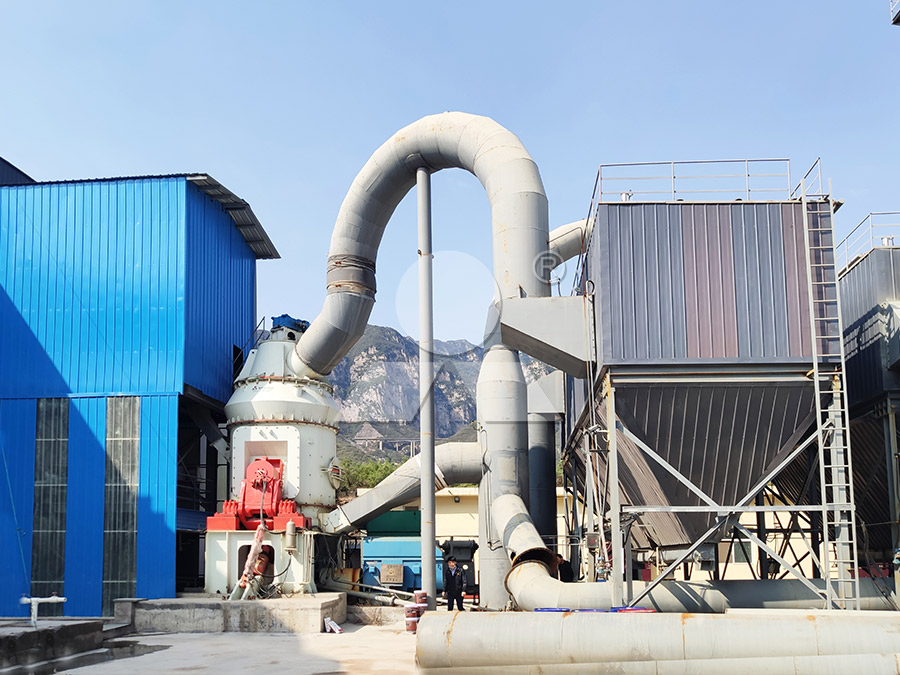
When large-scale production and operational simplicity are paramount, the vertical grinding mill stands tall. The LM Vertical Grinding Mill is a paradigm of integrated design, combining crushing, drying, grinding, classifying, and conveying into a single, cohesive unit. Its vertical structure is a masterstroke in space-saving, occupying roughly 50% of the footprint required by a traditional ball mill system. This isn’t just about saving floor space; it translates directly into lower civil construction and plant layout costs.
The genius of the LM mill lies in its grinding principle. Material lingers for a remarkably short time in the grinding zone, which minimizes over-grinding and reduces the iron contamination often caused by mechanical wear. This is critical for applications demanding high whiteness and purity, such as high-grade calcium carbonate or specialty ceramics. Furthermore, the system operates under negative pressure with a full sealing design, ensuring a dust-free environment that far exceeds international emission standards. With a capacity range stretching from 3 to an impressive 340 tons per hour and the ability to handle feed sizes up to 70mm, the LM mill is the undisputed champion for high-volume processing of non-metallic minerals, pulverized coal, and slag.
2. The European Refinement: MTW European Trapezium Grinding Mill
For operations seeking proven reliability and exceptional powder quality, the trapezium mill design has been a industry staple for decades. The MTW European Trapezium Grinding Mill represents the culmination of this evolution. It incorporates several proprietary technologies that elevate its performance. The bevel gear integral transmission provides a smoother, more compact drive system compared to traditional external gearboxes, reducing both vibration and occupied area.
A key differentiator is its wear management. The grinding rollers and rings are crafted from a proprietary wear-resistant alloy developed in collaboration with scientific institutes, boasting a service life 1.7 to 2.5 times longer than standard high-manganese steel components. This dramatically reduces the frequency and cost of vulnerable parts replacement. Additionally, its cambered air duct design ensures low-resistance airflow, which prevents material piling and contributes to system-wide energy savings. The MTW mill excels in producing consistent, high-quality powders for industries like paint, coatings, and construction materials, with a robust capacity of 3-55 tph.
3. The Specialist for Slag and Coal: LM Vertical Coal/Slag Mill
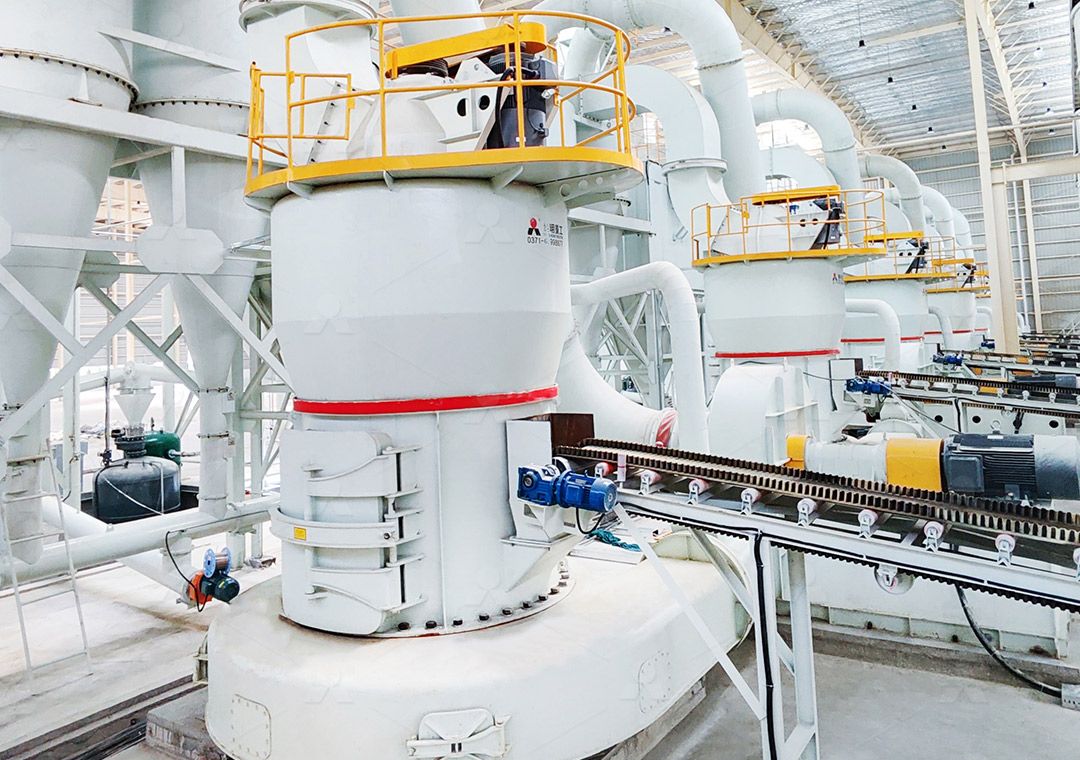
Not all materials are created equal, and some demand specialized equipment. For the efficient recycling of industrial by-products like granulated blast furnace slag or the preparation of pulverized coal for fuel, dedicated vertical mills are essential. The LM Vertical Slag Mill and LM Vertical Coal Mill are engineered specifically for these abrasive, often moist materials. They integrate drying and grinding processes seamlessly, handling feed moisture effectively without the need for a separate dryer.
Their design includes critical limit devices that prevent direct contact between the grinding roller and grinding table, avoiding destructive metallic impact and severe vibration. A hydraulic roller turning-out device allows the grinding roller to be fully retracted from the mill body, creating ample space for safe and quick maintenance—a crucial feature for minimizing downtime. With energy consumption reported to be 30-40% lower than ball milling systems for slag, these specialized mills turn waste into valuable supplementary cementitious materials or consistent fuel, supporting both economic and environmental goals in heavy industry.
4. The Ultrafine Pioneer: MW Ultrafine Grinding Mill
When the target is not just fine powder, but ultra-fine powder reaching 2500 meshes, conventional mills hit a wall. This is the domain of specialized ultrafine grinding technology. For customers whose end-product requirements demand the highest levels of fineness and purity—think advanced ceramics, high-performance plastics, or premium cosmetics—the MW Ultrafine Grinding Mill offers a compelling solution.
What sets the MW series apart is its intelligent design focused on precision and reliability. Its cage-type powder selector, incorporating German technology, allows for precise particle size cuts, enabling operators to adjust fineness between 325 and 2500 meshes with a high screening rate. Internally, a significant innovation is the absence of rolling bearings and screws within the grinding chamber itself. This eliminates two common failure points: bearing seal damage and loosened screws causing mechanical failure. Lubrication can be performed externally without shutdown, supporting true 24/7 continuous production.
Perhaps most importantly for modern, responsible manufacturing, the MW mill is designed as an environmentally sound system from the ground up. It comes equipped with an efficient pulse dust collector and a muffler system, ensuring that the pursuit of ultra-fine powder does not come at the cost of a dusty or noisy plant environment. For processing materials like calcite, dolomite, talc, or barite into high-value additives, the MW Ultrafine Grinding Mill provides the necessary technological edge.
5. The Next Generation of Ultrafine: LUM Ultrafine Vertical Grinding Mill
Pushing the boundaries of ultrafine grinding even further, the LUM Ultrafine Vertical Grinding Mill represents a leap forward. It synthesizes the latest in grinding roller technology with advanced German powder separation principles. Its unique roller shell and lining plate grinding curve are designed to form a stable material bed more easily, promoting efficient inter-particle grinding and enabling a high rate of finished product in a single pass.
Operational stability is engineered into its core with a double position-limiting technology. This system employs both electronic and mechanical limits to protect the mill from destructive impacts caused by sudden vibration, such as from an unexpected hard foreign object. From a maintenance perspective, its reversible structure is a game-changer. Using a hydraulic adjustment system, heavy grinding rollers can be easily and safely moved out of the mill body for inspection, liner replacement, or servicing, drastically reducing downtime and associated losses. For producing superfine dry powder from non-metallic ores where superior whiteness, cleanliness, and precise particle size distribution are non-negotiable, the LUM series offers a sophisticated and reliable solution.
Making the Strategic Choice
Selecting from among these top performers hinges on a clear analysis of your specific needs. Consider the primary material, required final fineness, desired production capacity, and available plant infrastructure. For massive throughput of standard mineral powders, the LM Vertical Grinding Mill is unmatched. For superior wear life and consistent quality in a trapezium format, the MTW series excels. For specialized by-products, the dedicated coal and slag mills are indispensable. When your product roadmap points to the highest-value, ultra-fine powder market, the advanced technology of the MW Ultrafine Grinding Mill or the LUM Ultrafine Vertical Grinding Mill provides the necessary precision, reliability, and environmental compliance to compete effectively.
Ultimately, the best high-performance grinding machine is the one that aligns perfectly with your production goals, material science, and operational philosophy, turning raw stone into profitable, high-quality powder day after day.
Frequently Asked Questions (FAQs)
1. What is the main advantage of a vertical grinding mill over a traditional ball mill?
Vertical grinding mills like the LM series offer a significantly smaller footprint (about 50% less), higher energy efficiency (30-40% savings), and integrate multiple processes (drying, grinding, classifying). They also typically produce less iron contamination and allow for quicker product fineness adjustment.
2. How fine can an ultrafine grinding mill actually grind?
Advanced ultrafine mills, such as the MW Ultrafine Grinding Mill, are capable of achieving product fineness up to 2500 meshes (approximately 5 microns). This level of fineness is essential for high-value applications in industries like pharmaceuticals, advanced ceramics, and premium coatings.
3. What materials can these industrial grinding mills process?
These mills are highly versatile and can process a wide range of non-metallic minerals and industrial materials. Common inputs include limestone, calcite, dolomite, gypsum, barite, marble, talc, coal powder, petroleum coke, slag, and feldspar. Specific mill models may be optimized for certain material characteristics (e.g., hardness, moisture content).
4. How important is dust collection and noise reduction in modern grinding systems?
Extremely important. Modern industrial standards and environmental regulations demand clean, safe operations. High-performance mills now incorporate integrated pulse dust collectors and muffler systems as standard. For example, the MW Ultrafine Grinding Mill is designed to operate with no dust pollution and reduced noise, ensuring compliance and a better workplace environment.
5. What should I consider regarding maintenance and spare parts?
Look for designs that simplify maintenance, such as the reversible roller structure in the LUM mill or the external lubrication points in the MW mill. Equally crucial is partnering with a manufacturer that guarantees a sufficient supply of original, high-quality spare parts. This ensures long-term operational reliability and protects your investment by maintaining optimal machine performance.
6. Can these mills handle moist feed materials?
Yes, several models are specifically designed for integrated drying and grinding. Vertical mills like the LM Vertical Coal Mill and LM Vertical Slag Mill can handle feed materials with moisture by introducing hot air into the grinding chamber, eliminating the need for a separate, energy-intensive drying step in many cases.