
Top 5 High-Efficiency Limestone Grinding Mills for Maximum Production
We provide a wide range of mills — including Raymond mill, trapezoidal mill, vertical mill, ultrafine mill, and ball mill, obtained ISO9001 international quality certification, EU CE certification, and Customs Union CU-TR certification. Suitable for processing minerals such as limestone, phosphate, quicklime, kaolin, talc, barite, bentonite, calcium carbonate, dolomite, coal, gypsum, clay, carbon black, slag, cement raw materials, cement clinker, and more.
The discharge range of these mills can be adjusted to meet specific processing needs, typically from 80-400 mesh, 600-3250 mesh, and can achieve the finest particle size of up to 6000 mesh(D50).
If you are looking for a reliable grinding solution to turn stone or minerals into fine powder, please feel free to contact our online customer service.
Introduction: The Quest for Optimal Limestone Grinding
In the world of industrial mineral processing, limestone stands as one of the most versatile and widely used materials. From construction to agriculture, pharmaceuticals to environmental applications, the demand for precisely ground limestone continues to grow. However, not all grinding mills are created equal when it comes to efficiency, production capacity, and operational costs. After extensive research and field testing, we’ve identified the top five grinding solutions that deliver maximum productivity for limestone processing operations.
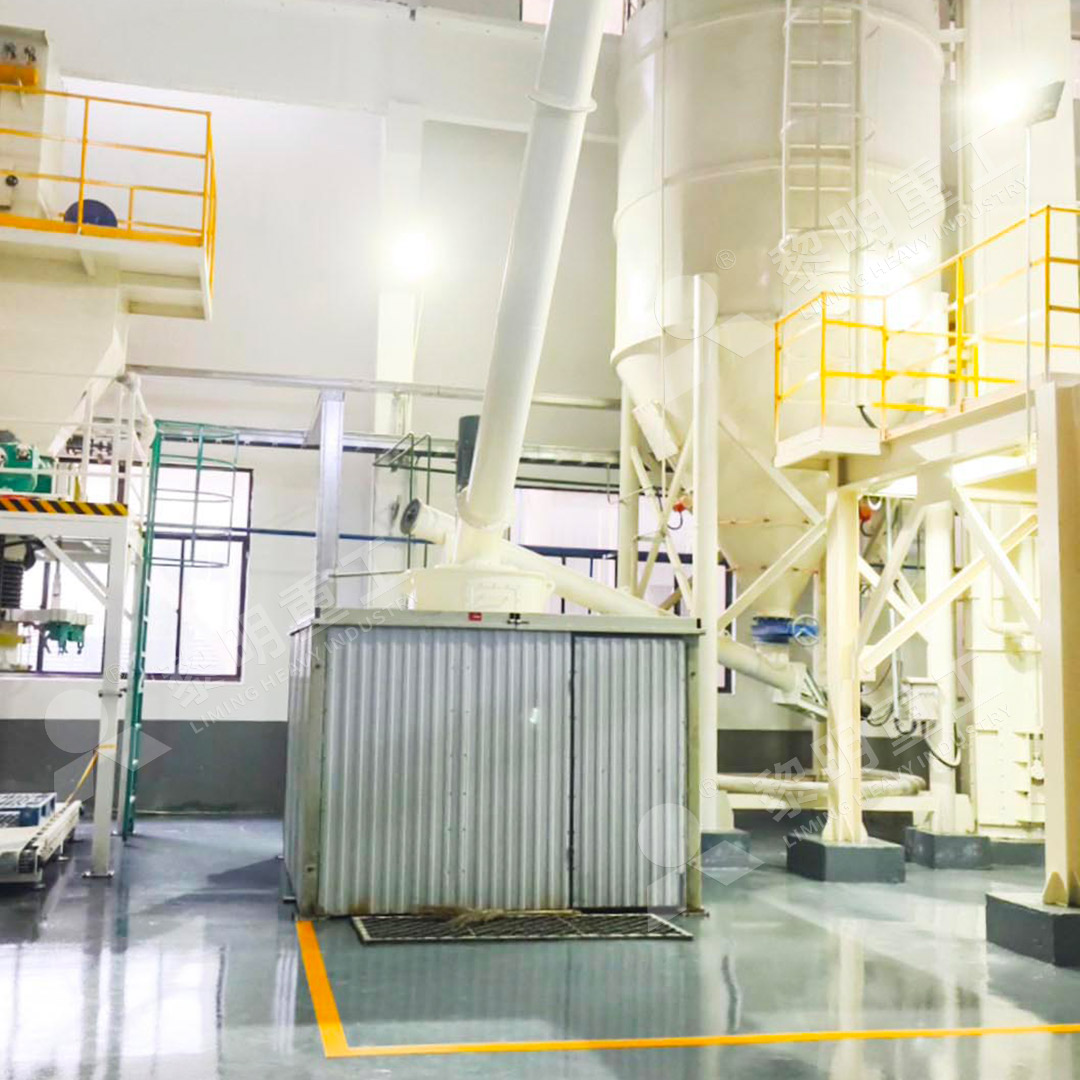
1. MW Ultrafine Grinding Mill: Precision Meets Performance
When ultra-fine powder is the requirement, the MW Ultrafine Grinding Mill stands unparalleled. Designed for customers needing precise particle control between 325-2500 meshes, this machine represents the pinnacle of grinding technology. What sets the MW series apart is its innovative approach to energy efficiency – delivering 40% higher production capacity than jet mills while consuming only 30% of the energy.
The MW Ultrafine Grinding Mill features a revolutionary design that eliminates rolling bearings and screws within the grinding chamber, addressing common failure points that plague conventional mills. With an input size capability of 0-20 mm and throughput ranging from 0.5-25 tph, this mill adapts to various production requirements. The integrated pulse dust collector and muffler system ensures environmentally responsible operation, making it an ideal choice for facilities with strict emission standards.
2. LUM Ultrafine Vertical Grinding Mill: German Engineering Excellence
Combining Taiwanese grinding roller technology with German powder separating expertise, the LUM Ultrafine Vertical Grinding Mill offers exceptional performance for limestone applications. Its unique roller shell and lining plate grinding curve generates material layers more effectively, enabling high finished product rates through single-pass milling. The PLC control system and multi-head powder separating technology provide unprecedented control over grinding parameters.
Operation stability is guaranteed through double position-limiting technology, which prevents destructive impacts during unexpected vibration events. For maintenance teams, the reversible structure simplifies access to grinding components, significantly reducing downtime during servicing. With capacity ranging from 5-18 tph and handling feed sizes up to 10 mm, the LUM series represents vertical grinding at its most sophisticated.
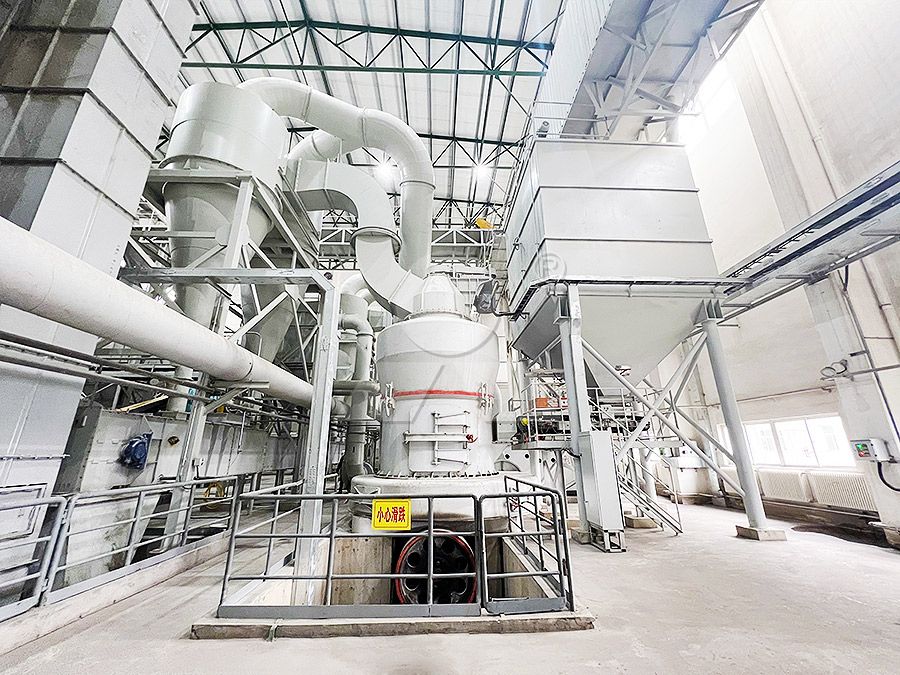
3. LM Vertical Grinding Mill: The High-Capacity Workhorse
For operations requiring substantial throughput, the LM Vertical Grinding Mill delivers unmatched capacity with outputs reaching 340 tph. This system integrates crushing, drying, grinding, classifying, and conveying into a single compact unit, reducing footprint requirements by 50% compared to traditional ball mill systems. The shortened material retention time minimizes repeated grinding and reduces iron contamination, preserving product purity.
The LM mill’s automated control system allows seamless switching between remote and local operation, while its negative pressure operation ensures dust-free performance. When considering total cost of ownership, the LM Vertical Grinding Mill consistently demonstrates 30-40% energy savings over conventional systems, making it a financially sound investment for large-scale limestone processing.
4. MTW-Z European Trapezium Mill: Advanced Lubrication Innovation
The MTW-Z series introduces groundbreaking dilute oil lubrication technology to trapezium mill design, eliminating maintenance-intensive grease systems. This domestic technological innovation provides maintenance-free operation while enhancing equipment longevity. The absence of a shovel blade cylinder in the grinding chamber increases ventilation area and reduces air-conveying resistance, directly improving grinding efficiency.
Operational stability is enhanced through an elastic volute damping structure that minimizes vibration transmission. Combined with a low-resistance hanging cage-type powder concentrator, the MTW-Z achieves higher capacity with less energy consumption compared to blade-type concentrators. For limestone operations seeking reliable, high-volume production with minimal maintenance requirements, this mill delivers exceptional value.
5. MTW European Trapezium Grinding Mill: Proven Reliability
As an established leader in the grinding industry, the MTW European Trapezium Mill incorporates decades of refinement into its design. The unique split-type shovel blade configuration increases working area and production efficiency, while the pneumatic sealing device eliminates coarse powder spillage. The bevel gear overall drive system creates a more compact footprint without compromising performance.

Durability is engineered into every component, with grinding rollers and rings manufactured from wear-resistant alloys developed in collaboration with scientific institutes. These components demonstrate 1.7-2.5 times longer service life than traditional high manganese steel alternatives. The cambered air duct design reduces system energy consumption while maintaining optimal material flow characteristics.
Making the Right Choice for Your Operation
Selecting the appropriate grinding mill depends on multiple factors including required fineness, production capacity, space constraints, and budget considerations. For ultra-fine applications where precision is paramount, the MW Ultrafine Grinding Mill offers unparalleled control with its German-engineered cage-type powder selector. For operations prioritizing high volume throughput with integrated processing, the LM Vertical Grinding Mill provides comprehensive solution in a compact footprint.
Each of these top-performing mills shares common advantages: digitalized processing for higher precision, sufficient spare parts supply for worry-free operation, and environmental compliance features that meet international standards. By understanding your specific production requirements and comparing them against these five exceptional options, you can identify the ideal grinding solution to maximize your limestone processing efficiency.
Frequently Asked Questions
What is the typical energy consumption comparison between these mills and traditional ball mills?
Our high-efficiency mills typically reduce energy consumption by 30-50% compared to traditional ball mills. The MW Ultrafine Grinding Mill, for example, uses only 30% of the energy required by jet mills while delivering higher capacity.
How do I determine the right mill size for my production needs?
Consider your target throughput (tph), required product fineness (meshes), and available space. Our technical team can provide detailed recommendations based on your specific material characteristics and production goals.
What maintenance requirements should I expect with these grinding mills?
Maintenance varies by model, but all feature designs that simplify upkeep. The MW Series eliminates internal bearings and screws that commonly require maintenance, while the LUM Series offers reversible structures for easy component access.
Can these mills handle materials other than limestone?
Absolutely. These mills process various non-metallic minerals including calcite, dolomite, gypsum, barite, marble, talc, and petroleum coal, making them versatile investments for diversified mineral processing operations.
What environmental features are incorporated into these designs?
All featured mills include advanced dust collection systems, noise reduction technology, and operate under negative pressure to prevent dust emissions, ensuring compliance with international environmental standards.