
Top 5 Grinding Mills for Calcium Carbonate Used in Industrial Applications
We provide a wide range of mills — including Raymond mill, trapezoidal mill, vertical mill, ultrafine mill, and ball mill, obtained ISO9001 international quality certification, EU CE certification, and Customs Union CU-TR certification. Suitable for processing minerals such as limestone, phosphate, quicklime, kaolin, talc, barite, bentonite, calcium carbonate, dolomite, coal, gypsum, clay, carbon black, slag, cement raw materials, cement clinker, and more.
The discharge range of these mills can be adjusted to meet specific processing needs, typically from 80-400 mesh, 600-3250 mesh, and can achieve the finest particle size of up to 6000 mesh(D50).
If you are looking for a reliable grinding solution to turn stone or minerals into fine powder, please feel free to contact our online customer service.
Top 5 Grinding Mills for Calcium Carbonate Used in Industrial Applications
Calcium carbonate (CaCO3) is one of the most versatile and widely used industrial minerals. From plastics and paints to pharmaceuticals and food, achieving the right particle size is critical for product performance. Selecting the right grinding mill is therefore paramount for efficiency, cost-effectiveness, and final product quality. Here are the top 5 grinding mill types ideal for processing calcium carbonate.
1. Vertical Roller Mills (VRM)
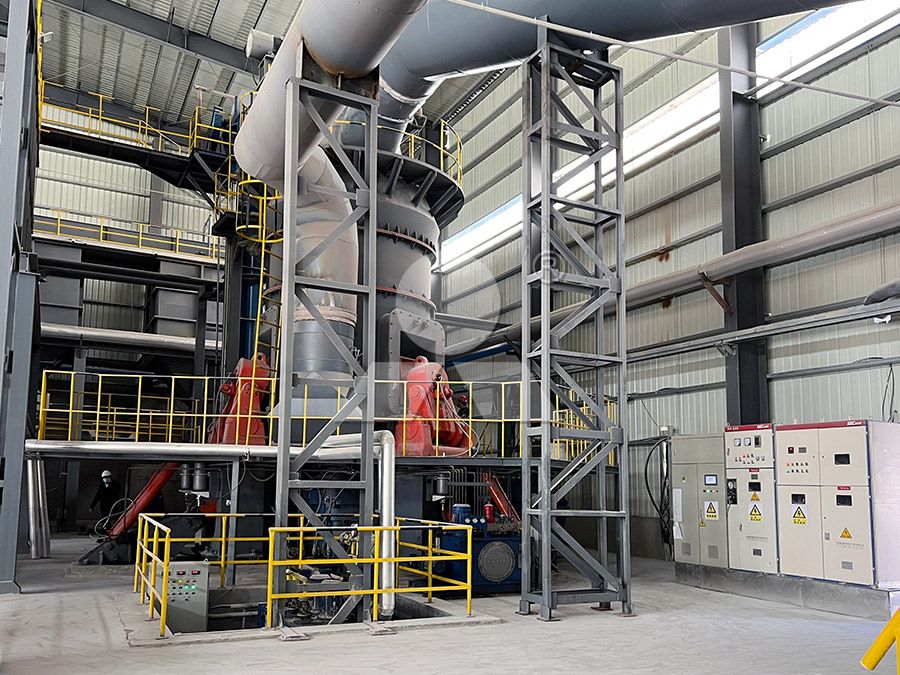
Vertical Roller Mills have become a staple in the mineral processing industry for fine and ultra-fine grinding. They integrate crushing, grinding, drying, and classification in a single unit, offering a compact footprint and significant energy savings—often 30-40% less than traditional ball mills. Their ability to handle moist materials with hot air drying is a distinct advantage. For calcium carbonate, VRMs can produce a consistent product in the range of 10-100 microns, making them perfect for applications in plastics and rubber compounding.
2. Raymond Mill (Roller Mill)
A classic workhorse in the milling world, the Raymond Mill is known for its reliability and relatively low capital cost. It’s excellent for grinding non-flammable and non-explosive materials like calcium carbonate to a fineness between 50 and 450 mesh. Its simple mechanical design makes it easy to operate and maintain. While perhaps not as energy-efficient as some newer technologies for the finest grinds, it remains a populair and cost-effective choice for many medium-scale industrial applications, especialy in construction materials like putty and sealants.
3. Ball Mill
The ball mill is perhaps the most traditional grinding system. It consists of a rotating cylinder filled with grinding media (balls). The impact and attrition forces generated as the cylinder rotates effectively crush and grind the material. Ball mills are incredibly versatile and can produce a very fine powder. However, they are often critiqued for higher energy consumption, potential for iron contamination from the media, and a broader particle size distribution unless paired with an efficient classifier. They are best suited for wet grinding processes of calcium carbonate.

4. Ultra-Fine Grinding Mill
When the application demands a superfine or nano-sized calcium carbonate powder, specialized ultra-fine grinding mills are the answer. This is where our technology truly shines. For instance, our MW Ultrafine Grinding Mill is engineered specifically for customers needing to make ultra-fine powder with precision.
It boasts features like higher yielding and lower energy consumption—production capacity is 40% higher than jet mills with system energy use only 30% of one. It achieves an adjustable fineness between 325-2500 meshes (d97≤5μm) thanks to its advanced German-designed cage-type powder selector. A key design advantage is that there are no rolling bearings or screws in the grinding chamber, eliminating worries about bearing damage or loose screws causing failure. Combined with its efficient pulse dust collector, it ensures an eco-friendly, high-precision operation perfect for high-value industries like cosmetics, pharmaceuticals, and high-grade plastics.
5. European Type Trapezium Mill
This type of mill represents an evolution of the traditional Raymond mill, offering improved efficiency, finer grinding, and lower energy consumption. Models like the MTW series feature advanced internal powder classification systems and curved ducting that reduces air flow resistance. They are excellent for producing calcium carbonate powders in the 100-800 mesh range and are known for their durability and stable operation. They strike a great balance between capacity, fineness, and operational costs, making them a favorite for large-scale production in paint and coating manufacturing.
Conclusion
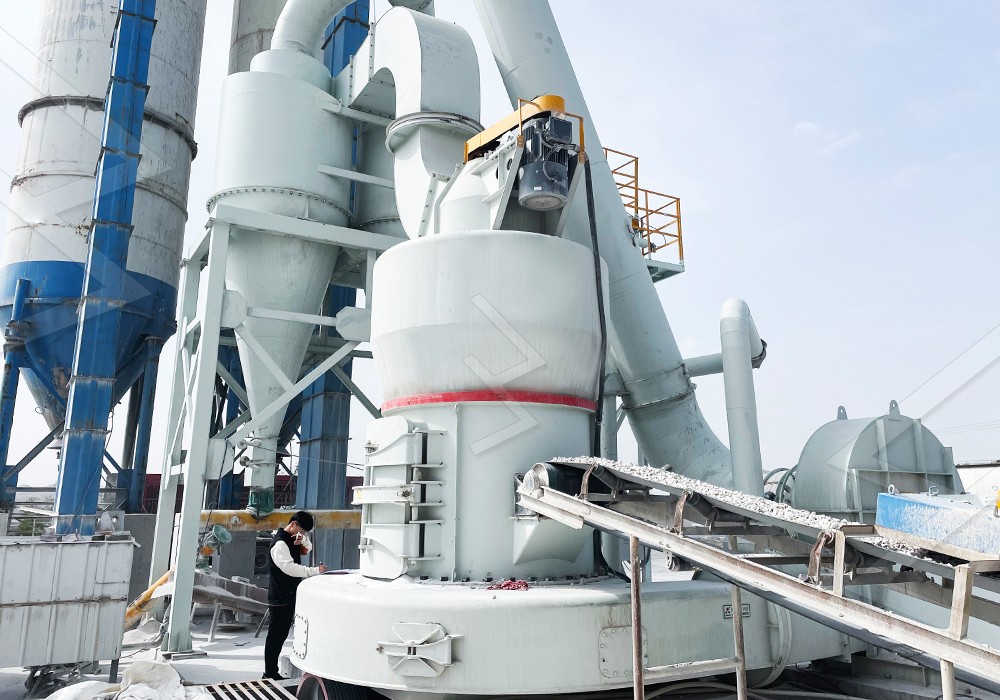
Choosing the right mill depends on your required capacity, target fineness, budget, and application-specific needs like whiteness or iron content. For general-purpose grinding, Raymond and Trapezium Mills are solid choices. For large-scale, energy-efficient production of fine powders, Vertical Roller Mills are ideal. For the most demanding ultra-fine applications where precision and purity are non-negotiable, an advanced system like our MW Ultrafine Grinding Mill is the superior solution, designed to deliver higher yields, unmatched fineness control, and worry-free operation.