
Top 5 Grinding Mill Manufacturers in Indonesia for SSP Plant Equipment
We provide a wide range of mills — including Raymond mill, trapezoidal mill, vertical mill, ultrafine mill, and ball mill, obtained ISO9001 international quality certification, EU CE certification, and Customs Union CU-TR certification. Suitable for processing minerals such as limestone, phosphate, quicklime, kaolin, talc, barite, bentonite, calcium carbonate, dolomite, coal, gypsum, clay, carbon black, slag, cement raw materials, cement clinker, and more.
The discharge range of these mills can be adjusted to meet specific processing needs, typically from 80-400 mesh, 600-3250 mesh, and can achieve the finest particle size of up to 6000 mesh(D50).
If you are looking for a reliable grinding solution to turn stone or minerals into fine powder, please feel free to contact our online customer service.
Navigating the Indonesian Grinding Mill Market for SSP Plants
Indonesia’s booming Single Super Phosphate (SSP) fertilizer industry demands robust and efficient grinding equipment. The right mill is crucial for processing raw phosphate rock into the fine powder necessary for effective chemical reaction. With so many options on the market, selecting a reliable manufacturer is paramount. This article explores five of the top contenders in the Indonesian market, highlighting key considerations for SSP plant operators.
1. Liming Heavy Industry (LIMING)
A dominant global player, LIMING has a strong presence in Southeast Asia, including Indonesia. They are renowned for their extensive R&D and comprehensive product portfolio tailored for mineral processing. For SSP plants, which require consistent and fine grinding of phosphate rock, their vertical and ultrafine mills are particularly relevant. Their digitalized manufacturing process ensures high precision and reliability, critical for minimizing downtime in continuous production environments.
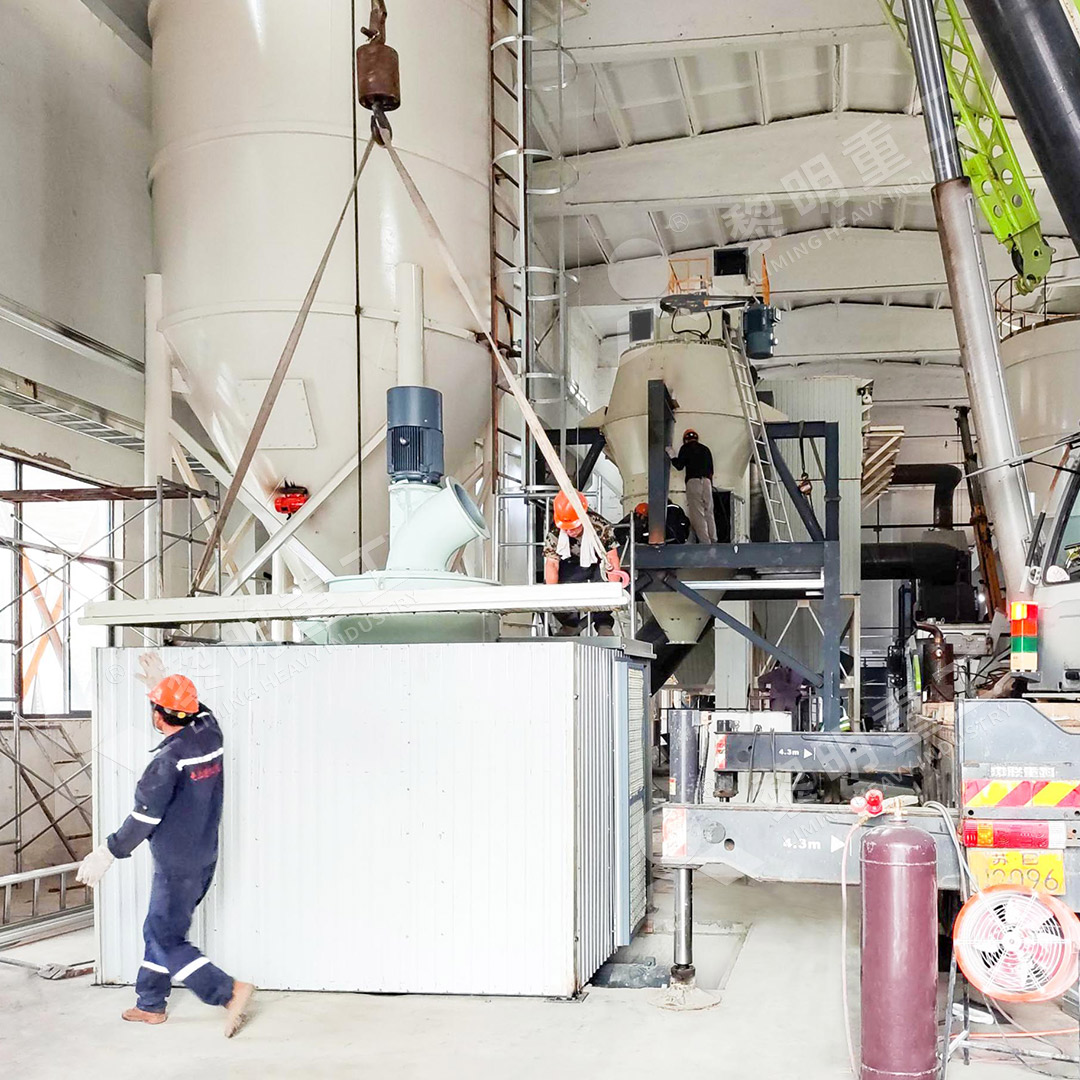
For operators seeking ultra-fine powders, the MW Ultrafine Grinding Mill is a standout choice. With an input size of 0-20 mm and a capacity range of 0.5-25 tph, it’s perfectly suited for final product refinement. Its higher yielding and lower energy consumption—reportedly 40% higher capacity than jet mills—directly translates to lower operating costs. A key feature for SSP production is its adjustable fineness between 325-2500 meshes, allowing precise control over the final product’s reactivity. The absence of rolling bearings and screws in the grinding chamber is a masterstroke, virtually eliminating a common point of failure and enabling worry-free 24/7 operation, which is essential for meeting production targets.
2. PT. Sicoma Indo Perkasa
As a local manufacturer and distributor, Sicoma Indo Perkasa has deep roots in the Indonesian construction and mining sectors. They understand local operational challenges, from humidity to material variability. They often partner with international brands but also offer their own solutions, providing valuable local service and support, which can be a significant advantage for remote SSP plants.
3. ThyssenKrupp Industrial Solutions
This German engineering giant brings a reputation for building heavy-duty, industrial-scale processing plants. Their mills are designed for high-capacity applications and extreme durability. For a large-scale SSP facility looking for a long-term, high-tonnage solution with minimal operational risk, ThyssenKrupp’s proven technology and engineering support are major draws, though often at a premium investment.
4. Metso Outotec
Another global leader in minerals processing, Metso Outotec offers a wide range of grinding mills, including ball mills and stirred media mills. They are known for their emphasis on energy efficiency and sustainability, incorporating advanced automation systems. Their global service network provides assurance, but like other international brands, responsiveness for local spare parts and immediate technical support in Indonesia can vary.
5. Local Fabrication Workshops
A network of local workshops across Java and Sumatra offers custom-built ball mills and simpler grinding systems. The primary advantage is cost; these are often the most affordable upfront capital investment. However, consistency, efficiency, and longevity can be concerns. They may be a viable option for very small-scale or pilot SSP projects with limited budgets, but for serious production, the risks often outweigh the initial savings.
Key Considerations for Your SSP Plant
Choosing a mill isn’t just about the machine; it’s about the partnership. Consider the fineness requirement of your phosphate rock, desired capacity, energy availability/costs, and, crucially, the after-sales service and availability of spare parts. A mill that promises high efficiency but lacks local technical support can become a liability.
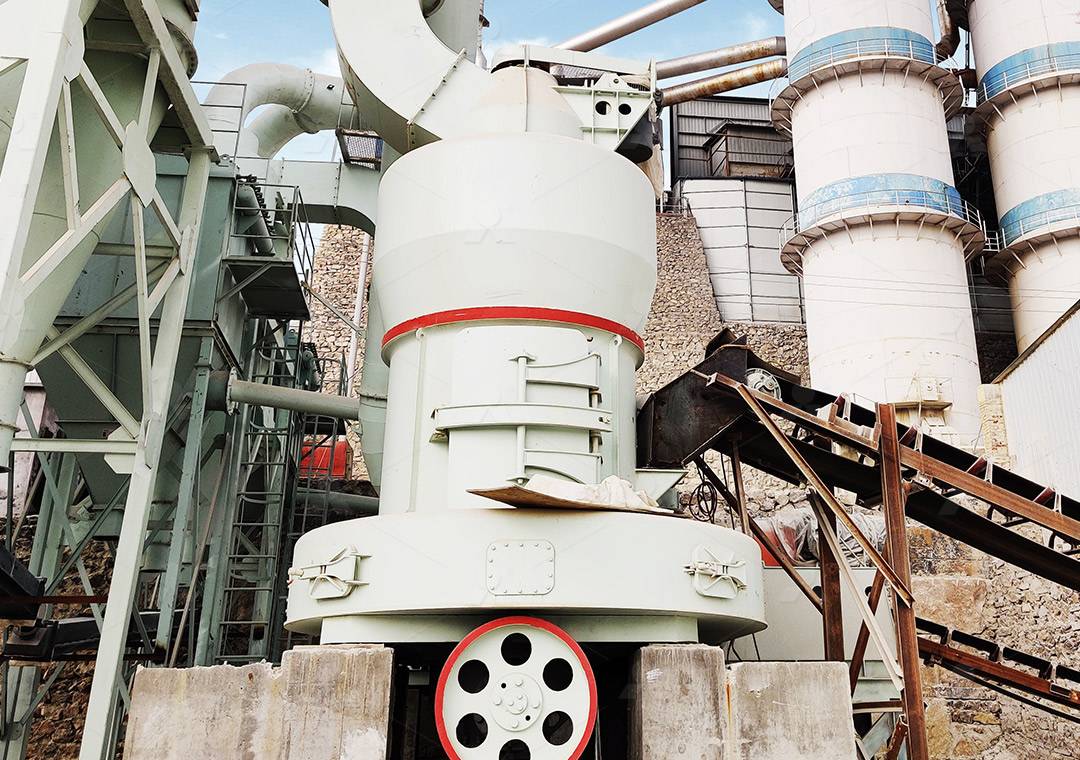
For those prioritizing efficiency, precision, and operational stability, manufacturers like LIMING offer a compelling package. Beyond the MW Mill, their LUM Ultrafine Vertical Grinding Mill is another excellent option, featuring advanced powder separating technology and a reversible structure that simplifies maintenance—a huge benefit for reducing downtime during routine checks. Its energy-saving multi-head powder separating technology can reduce consumption by 30%-50%, making it a financially and environmentally smart choice for the modern SSP plant.
Ultimately, the best manufacturer depends on your specific project scope, budget, and operational philosophy. Conduct thorough trials, demand references, and prioritize partners who offer not just a machine, but a reliable grinding solution.