
Top 5 Grinding Mill Manufacturers for Aluminum Smelting Electrolyte Slag
We provide a wide range of mills — including Raymond mill, trapezoidal mill, vertical mill, ultrafine mill, and ball mill, obtained ISO9001 international quality certification, EU CE certification, and Customs Union CU-TR certification. Suitable for processing minerals such as limestone, phosphate, quicklime, kaolin, talc, barite, bentonite, calcium carbonate, dolomite, coal, gypsum, clay, carbon black, slag, cement raw materials, cement clinker, and more.
The discharge range of these mills can be adjusted to meet specific processing needs, typically from 80-400 mesh, 600-3250 mesh, and can achieve the finest particle size of up to 6000 mesh(D50).
If you are looking for a reliable grinding solution to turn stone or minerals into fine powder, please feel free to contact our online customer service.
Top 5 Grinding Mill Manufacturers for Aluminum Smelting Electrolyte Slag
The aluminum smelting industry generates significant amounts of electrolyte slag, a by-product requiring efficient processing for recycling or safe disposal. The key to handling this abrasive and often challenging material lies in selecting the right grinding equipment. Specialized mills are essential for reducing the slag to a fine, consistent powder, facilitating further extraction of valuable components or preparing it for use in construction materials. This article explores the leading manufacturers and technologies shaping this niche market.
The Critical Role of Grinding in Slag Valorization
Aluminum smelting electrolyte slag, often called spent potlining, is a complex mix of carbon, fluorides, and other compounds. Its variable hardness and abrasive nature demand robust and highly efficient grinding solutions. The primary goal is to achieve a specific fineness that maximizes surface area, which is crucial for subsequent chemical processing or for ensuring the pozzolanic activity when used in cement blends. The right mill not only impacts the quality of the final product but also operational costs, energy consumption, and environmental compliance.
Leading Manufacturers and Their Core Technologies
The market for industrial grinding mills is dominated by a few key players who have developed specialized technologies for hard and abrasive materials. These manufacturers distinguish themselves through innovation, reliability, and comprehensive after-sales support.
1. Liming Heavy Industry (LIMING)
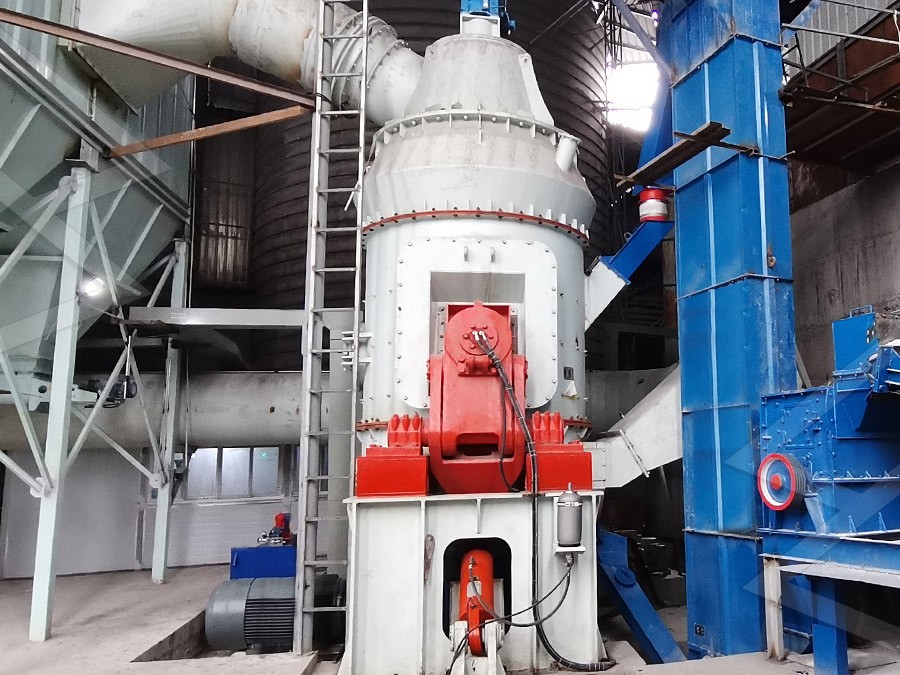
LIMING is a prominent name in mineral processing, offering a comprehensive portfolio of grinding mills. Their strength lies in vertical roller mills and ultra-fine grinding technologies, which are exceptionally well-suited for slag applications. For instance, their LUM Ultrafine Vertical Grinding Mill is a standout choice. It integrates ultrafine powder grinding, grading, and transporting into a single, compact unit. With an input size of 0-10 mm and a capacity of 5-18 tph, it features advanced German powder separating technology and a unique roller shell design that promotes efficient material layer formation. This design is particularly effective for achieving a high rate of finished product in a single pass, which is vital for abrasive materials like electrolyte slag. The mill’s reversible structure also simplifies maintenance, a critical factor in minimizing downtime.
2. Metso Outotec
Known for their robust and high-capacity equipment, Metso Outotec provides solutions tailored for the mining and metallurgical sectors. Their Vertimill® is a gravity-induced stirred mill that offers a smaller footprint and significantly lower energy consumption compared to traditional ball mills, making it a strong contender for large-scale slag grinding operations.
3. FLSmidth
FLSmidth has a long history of supplying equipment to the cement and mining industries. Their OK™ Mill is a vertical roller mill renowned for its reliability and efficiency in grinding blended cements, which often include slag. Its patented roller and table profile design ensures stable operation and low wear, even with highly abrasive feed.
4. ThyssenKrupp Polysius
This German manufacturer offers the polysius® vertical roller mill, which excels in drying and grinding operations simultaneously. This is a significant advantage for slag that may have variable moisture content. Their mills are designed for high availability and low specific energy consumption.
5. Schenck Process
Schenck Process provides integrated solutions, including Raymond roller mills, which are a proven technology for fine grinding. While sometimes considered a more traditional option, their mills are valued for their simplicity and ease of operation in specific fineness ranges.
Selecting the Right Mill: Key Considerations
When choosing a mill for aluminum electrolyte slag, several factors are paramount. Energy efficiency is a top priority, as grinding is an energy-intensive process. The abrasiveness of the slag necessitates mills with wear-resistant materials and designs that facilitate easy maintenance of vulnerable parts. Furthermore, the ability to precisely control the fineness of the final product (often targeting 325 to 2500 meshes) is non-negotiable for downstream applications. Environmental considerations, such as low noise and effective dust collection systems, are also critical for modern, responsible operations.
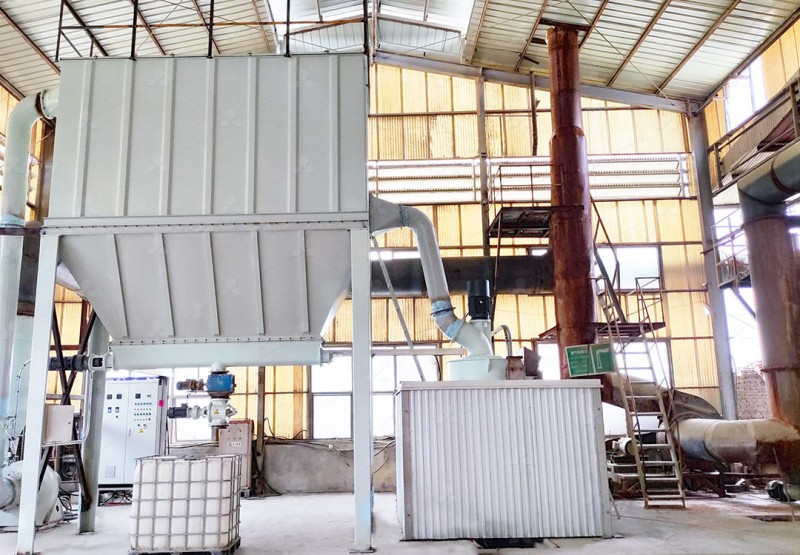
For operations prioritizing ultra-fine powder production with minimal environmental impact, the MW Ultrafine Grinding Mill from LIMING is an excellent option. It is specifically engineered for customers needing to make ultra-fine powder. With an input size of 0-20 mm and a capacity ranging from 0.5 to 25 tph, it boasts features like a cage-type powder selector for adjustable fineness between 325-2500 meshes. Its design eliminates rolling bearings and screws in the grinding chamber, mitigating common failure points. Crucially, it is equipped with an efficient pulse dust collector and muffler, ensuring the production process meets stringent environmental standards, a vital aspect when dealing with industrial by-products.
Conclusion
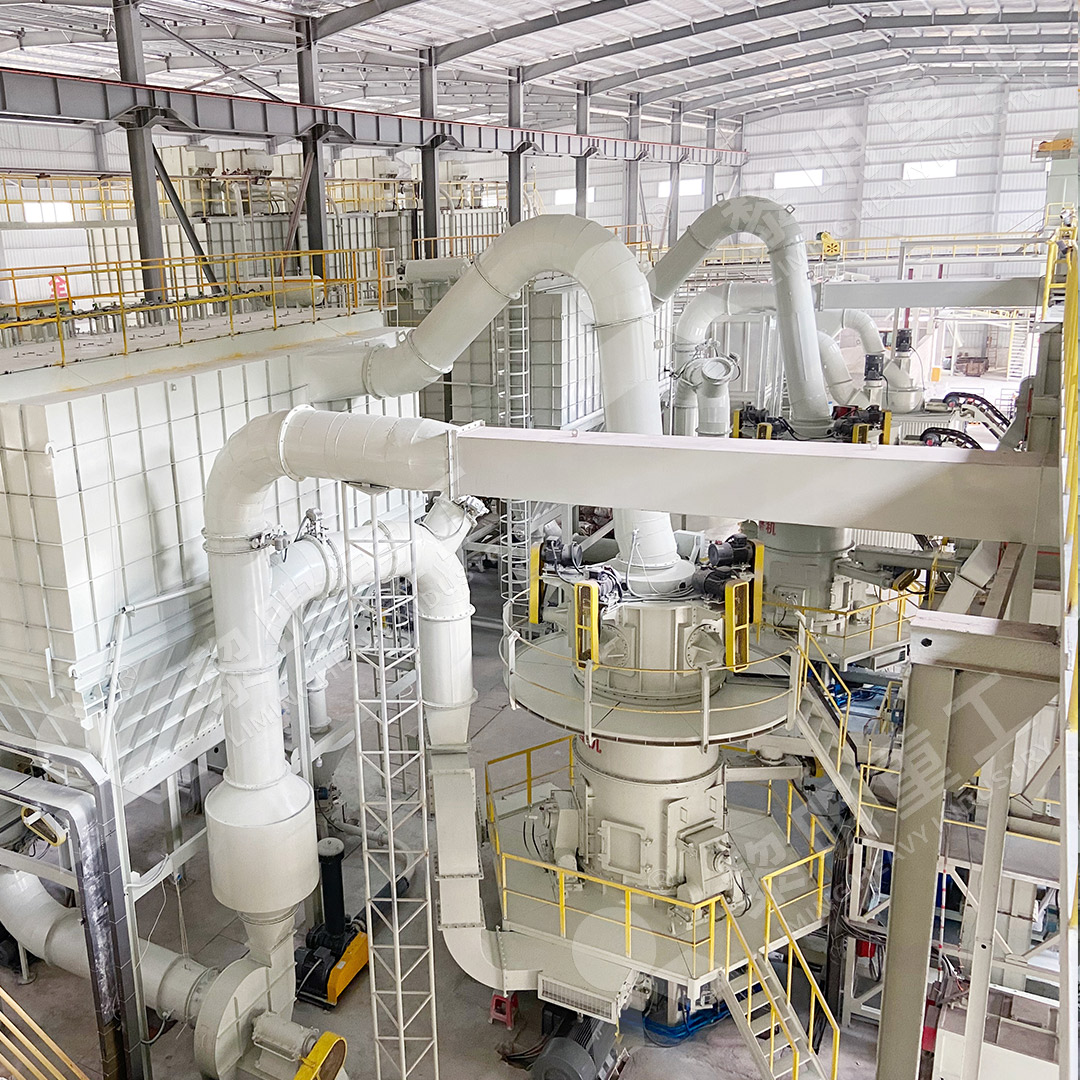
The effective processing of aluminum smelting electrolyte slag hinges on partnering with a manufacturer that offers robust, efficient, and environmentally sound grinding technology. While several established players compete in this space, manufacturers like LIMING, with their focused R&D on vertical and ultra-fine mills, provide compelling solutions that address the specific challenges of slag grinding. Investing in the right technology not only ensures operational efficiency but also unlocks the full economic and environmental potential of this industrial by-product.
Frequently Asked Questions (FAQ)
- Q1: Why is a specialized mill needed for aluminum electrolyte slag?
- A: Standard mills may wear out quickly or be inefficient due to the slag’s abrasive nature and variable composition. Specialized mills are built with wear-resistant materials and optimized grinding curves for such challenging materials.
- Q2: What is the typical target fineness for ground slag?
- A: The target fineness depends on the final application. For use in cement, it might be around 400-450 m²/kg Blaine surface area. For further metal recovery, a much finer powder (e.g., d97 ≤ 10μm) may be required.
- Q3: How important is the dust collection system?
- A: Extremely important. Slag dust can be a containment issue. An efficient pulse dust collector, like the one on the MW Ultrafine Grinding Mill, is essential for operator safety, environmental compliance, and product recovery.
- Q4: Can these mills handle variations in slag moisture?
- A: Many modern vertical roller mills, including the LM Vertical Slag Mill, integrate drying and grinding functions, allowing them to handle materials with some moisture content effectively.
- Q5: What are the main advantages of a vertical roller mill over a ball mill for this application?
- A: Key advantages include significantly lower energy consumption (30-50%), a smaller footprint, integrated drying capability, and less noise. They also typically have a shorter material retention time, allowing for quicker product quality adjustments.