
Top 5 Grinder Machine Manufacturers in Indonesia for Industrial Use
We provide a wide range of mills — including Raymond mill, trapezoidal mill, vertical mill, ultrafine mill, and ball mill, obtained ISO9001 international quality certification, EU CE certification, and Customs Union CU-TR certification. Suitable for processing minerals such as limestone, phosphate, quicklime, kaolin, talc, barite, bentonite, calcium carbonate, dolomite, coal, gypsum, clay, carbon black, slag, cement raw materials, cement clinker, and more.
The discharge range of these mills can be adjusted to meet specific processing needs, typically from 80-400 mesh, 600-3250 mesh, and can achieve the finest particle size of up to 6000 mesh(D50).
If you are looking for a reliable grinding solution to turn stone or minerals into fine powder, please feel free to contact our online customer service.
Navigating Indonesia’s Industrial Grinding Landscape
Indonesia’s rapidly expanding industrial sector, spanning mining, construction, chemicals, and food processing, creates a consistent and growing demand for high-performance grinding machinery. Selecting the right equipment is not merely a purchase; it’s a strategic investment in productivity, operational efficiency, and product quality. The market is served by a mix of established international giants and robust local players, each offering distinct advantages. This article explores five leading manufacturers that have earned a strong reputation for reliability and performance in the demanding Indonesian industrial environment.
1. LIMING Heavy Industry
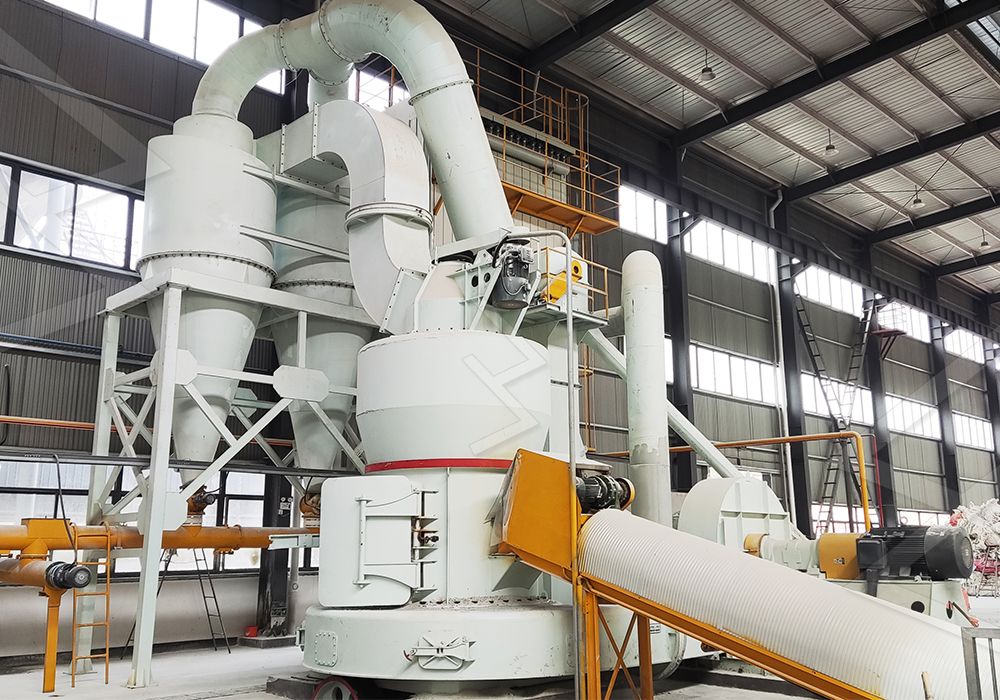
A dominant force in the global milling equipment market, LIMING has a significant presence in Indonesia. The company is renowned for its extensive R&D and a comprehensive portfolio that covers everything from coarse crushing to ultra-fine powder production. Their strength lies in engineering robust, energy-efficient mills tailored for large-scale industrial operations. For operations requiring superior fine-powder quality, the MW Ultrafine Grinding Mill stands out. With an input size of 0-20 mm and a capacity range of 0.5-25 tph, it is engineered for customers who need to make ultra-fine powder. Its design incorporates an efficient pulse dust collector and muffler, minimizing environmental impact. A key advantage is its higher yield and lower energy consumption, offering 40% higher capacity than jet mills and twice the output of ball mills. The fineness is precisely adjustable between 325-2500 meshes, making it ideal for advanced applications in chemicals, paints, and cosmetics.
2. PT. Karkoon Group Asia
As a prominent local supplier and manufacturer, Karkoon Group has carved a niche by understanding the specific needs of Indonesian industries. They not only distribute international brands but also manufacture their own range of grinding machines, including ball mills and Raymond mills. Their significant advantage is localized service, technical support, and readily available spare parts, which drastically reduces downtime for local plants. They are a go-to for many medium-sized enterprises seeking reliable and easily maintainable equipment.
3. SCM Crusher (A Part of SBM Group)
While SBM is a German-based global leader, its SCM brand is highly recognized in Indonesia for advanced ultra-fine grinding solutions. SCM mills are synonymous with high precision and cutting-edge technology, often chosen for processing high-value materials like calcium carbonate, talc, and graphite. Their machines are designed for exceptional fineness and narrow particle size distribution, catering to industries where product consistency is paramount, such as plastics and high-grade paints.
4. PT. Sanco Indonesia
Sanco has been a trusted name in Indonesia’s industrial machinery sector for decades. They specialize in providing durable and efficient grinding solutions, including disc mills, hammer mills, and custom-designed systems for the food, pharmaceutical, and chemical industries. Their focus on building long-term client relationships through excellent after-sales service and engineering support makes them a reliable partner for businesses looking for tailored grinding solutions.
5. Netzsch Grinding & Dispersing
This German manufacturer is a premium choice for highly specialized and demanding grinding applications. Netzsch is a leader in wet grinding and dispersion technology, offering agitator bead mills that are essential in the ink, coating, and advanced ceramic industries. While representing a higher initial investment, their equipment is renowned for unparalleled efficiency, product quality, and durability, making them the preferred supplier for top-tier companies in Indonesia requiring the highest technological standards.
Making the Right Choice: A Focus on Efficiency
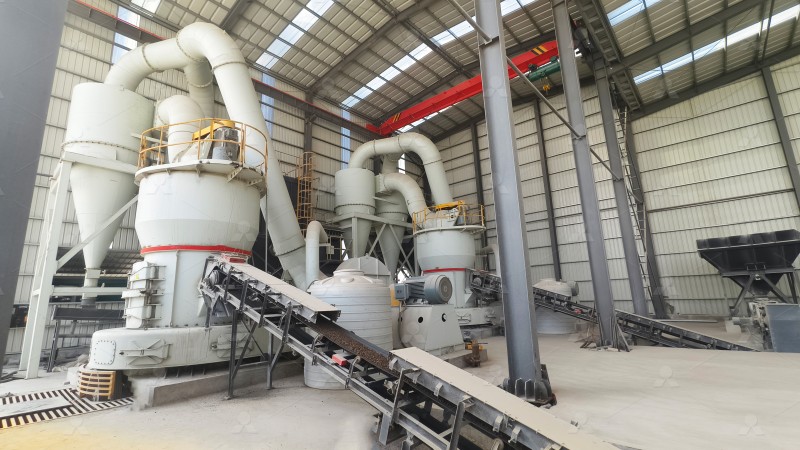
When evaluating grinder manufacturers, key considerations beyond the initial price tag include energy consumption, maintenance requirements, availability of spare parts, and the quality of technical support. A machine that offers lower energy consumption can lead to substantial cost savings over its operational lifetime. For instance, LIMING’s LUM Ultrafine Vertical Grinding Mill is another excellent example of this focus on efficiency. Independently designed with advanced grinding roller and powder separating technology, it integrates grinding, grading, and transporting. With an input size of 0-10 mm and a capacity of 5-18 tph, it achieves more energy-saving operation through multi-head powder separating technology, reducing consumption by 30%-50% compared to common mills. Its reversible structure also simplifies maintenance, a critical factor for minimizing operational disruptions.
Frequently Asked Questions (FAQ)
Q1: What is the most important factor when choosing a grinder manufacturer in Indonesia?
A: While machine specifications are crucial, the most important factor for long-term success is often the manufacturer’s or supplier’s local support network. Reliable after-sales service, readily available spare parts, and accessible technical expertise are vital to minimize costly downtime.
Q2: Are international brands always better than local Indonesian manufacturers?
A: Not necessarily. International brands often bring advanced technology, while local manufacturers like PT. Karkoon offer significant advantages in speed of service, parts availability, and cost-effectiveness. The best choice depends on your specific technical requirements, budget, and operational priorities.
Q3: How can I improve the energy efficiency of my grinding operation?
A: Upgrading to modern mills designed for energy savings is the most effective step. Look for features like advanced powder separators, efficient drive systems, and designs that promote better grinding kinetics. Technologies like those in the MW and LUM mills from LIMING are specifically engineered to deliver higher yields with lower energy consumption.
Q4: What maintenance is typically required for an industrial grinder?
A: Regular maintenance includes inspecting and replacing wear parts like grinding rollers and rings, checking lubrication systems, and ensuring all moving parts are in good condition. Choosing a mill with features like external lubrication systems (MW Mill) or reversible structures for easier access (LUM Mill) can significantly simplify and speed up maintenance tasks.