
Top 5 Glass Milling Machines for Sale in South Africa
We provide a wide range of mills — including Raymond mill, trapezoidal mill, vertical mill, ultrafine mill, and ball mill, obtained ISO9001 international quality certification, EU CE certification, and Customs Union CU-TR certification. Suitable for processing minerals such as limestone, phosphate, quicklime, kaolin, talc, barite, bentonite, calcium carbonate, dolomite, coal, gypsum, clay, carbon black, slag, cement raw materials, cement clinker, and more.
The discharge range of these mills can be adjusted to meet specific processing needs, typically from 80-400 mesh, 600-3250 mesh, and can achieve the finest particle size of up to 6000 mesh(D50).
If you are looking for a reliable grinding solution to turn stone or minerals into fine powder, please feel free to contact our online customer service.
Top 5 Glass Milling Machines for Sale in South Africa
South Africa’s glass industry is thriving, and the demand for high-quality milling equipment has never been greater. Whether you’re processing glass for construction, automotive, or specialty applications, choosing the right mill is critical for achieving the desired fineness, purity, and production efficiency. After extensive market analysis, we’ve compiled a list of the top five glass milling machines available for sale in the region, focusing on performance, reliability, and value.
1. MW Ultrafine Grinding Mill: The Pinnacle of Fine Powder Production
For operations that require ultra-fine glass powder, the MW Ultrafine Grinding Mill stands out as a premier choice. Engineered for customers who need to make ultra-fine powder, this machine is a game-changer. With an input size of 0-20 mm and a capacity ranging from 0.5 to 25 tons per hour, it offers remarkable flexibility. Its key advantage lies in its ability to produce powder with a fineness adjustable between 325 and 2500 meshes, making it ideal for high-value glass applications in cosmetics, paints, and advanced materials.
A significant feature is the absence of rolling bearings and screws in the grinding chamber. This design eliminates common failure points, ensuring continuous, worry-free operation. Furthermore, the integrated efficient pulse dust collector and muffler make the entire production process exceptionally clean and quiet, adhering strictly to environmental standards. For South African businesses looking to minimize downtime and maximize output of superfine glass powder, the MW series is a top contender.
2. LUM Ultrafine Vertical Grinding Mill: Advanced Technology for Superior Quality
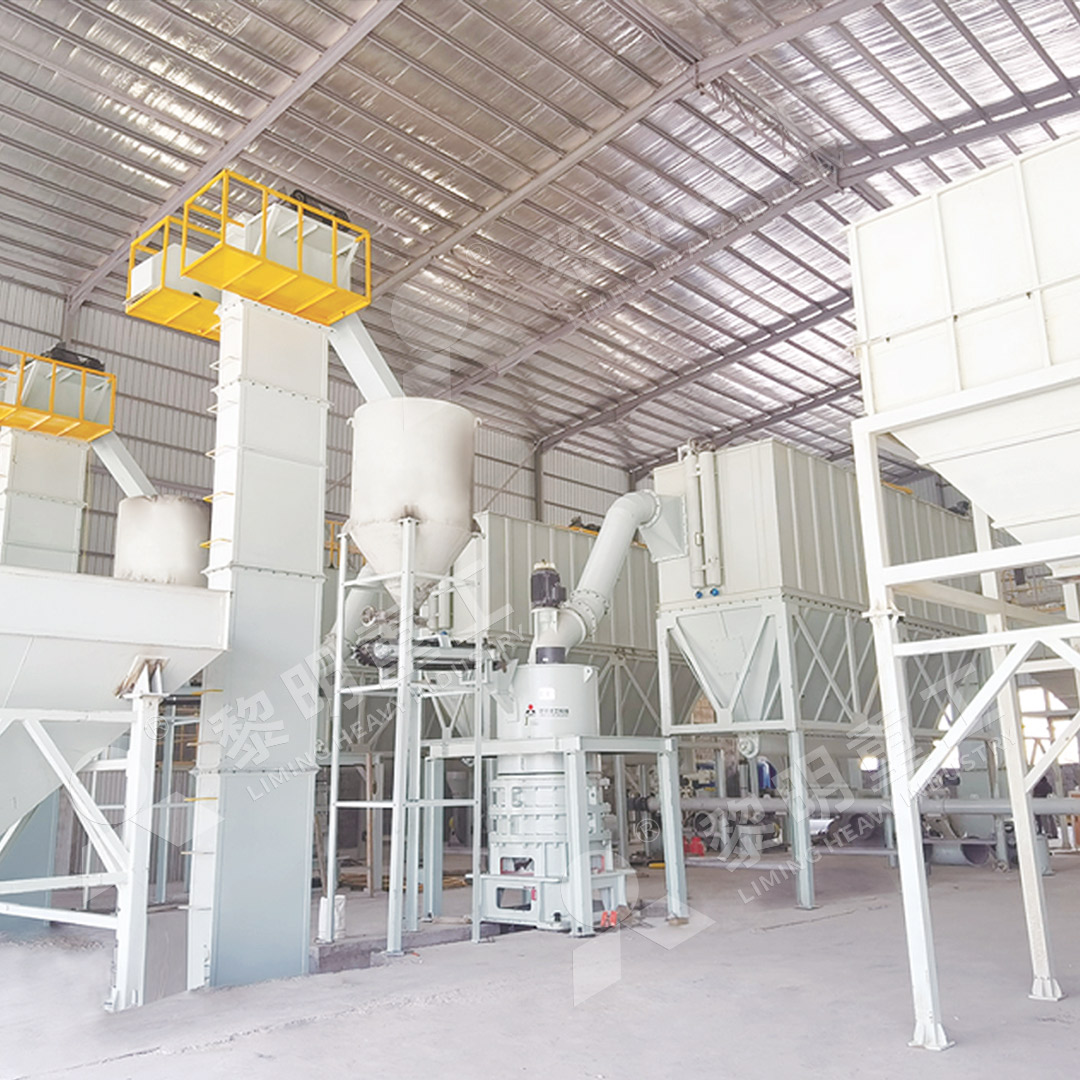
The LUM Ultrafine Vertical Grinding Mill incorporates the latest grinding roller and powder separating technologies from Germany and Taiwan. It integrates grinding, grading, and transporting into a single, efficient system. With an input size of 0-10 mm and a capacity of 5-18 tph, it is perfectly suited for producing superfine dry powder from glass and other non-metallic minerals.
Its unique roller shell and lining plate grinding curve are designed to generate a stable material layer, enabling high-yield, single-pass milling. This results in improved whiteness and cleanliness of the final glass powder—a critical factor for many applications. The mill’s double position-limiting technology also guarantees operational stability, protecting the machinery from vibrations. The reversible structure is another boon for maintenance, allowing grinding rollers to be easily moved out for service.
3. LM Vertical Grinding Mill: The High-Capacity Workhorse
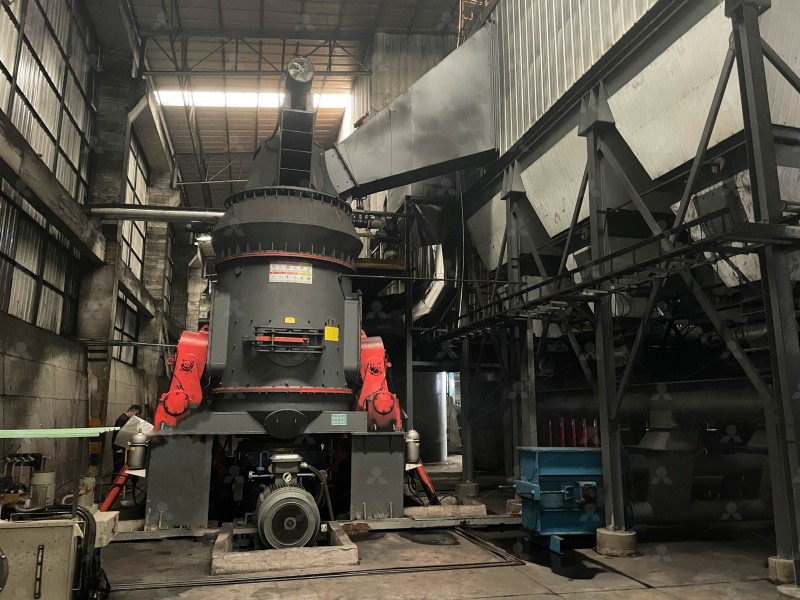
When your project demands high capacity and versatility, the LM Vertical Grinding Mill is an excellent option. It can handle input sizes up to 70 mm and boasts an impressive capacity range of 3-340 tph. This mill integrates crushing, drying, grinding, classifying, and conveying, significantly reducing the overall footprint by about 50% compared to traditional ball mills.
Its operational costs are lower due to reduced energy consumption (30%-40% less) and minimal wear on core parts. The short grinding time ensures low iron content in the final product, preserving the glass’s purity. For large-scale glass processing plants in South Africa, the LM Vertical Grinding Mill offers a comprehensive, automated, and environmentally friendly solution.
4. MTW European Trapezium Grinding Mill: Reliable and Efficient
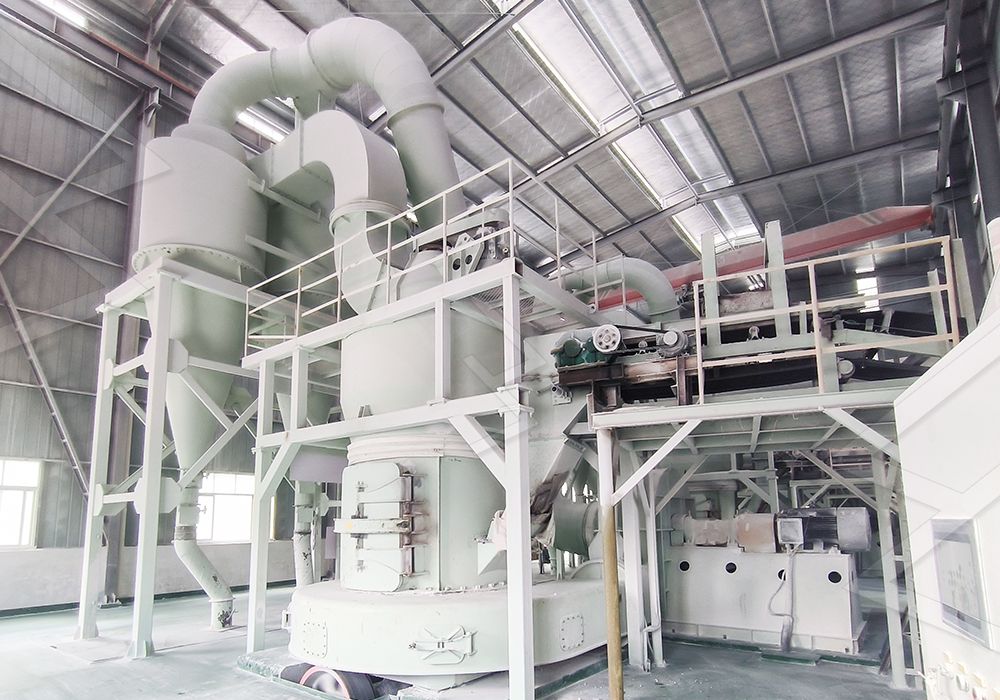
A proven performer in the grinding industry, the MTW European Trapezium Grinding Mill is known for its reliability and efficiency. It features a unique bevel gear overall drive and an inner automatic thin-oil lubricating system, which enhances its durability and reduces maintenance needs. With an input size of 0-50 mm and a capacity of 3-55 tph, it is a solid choice for various glass milling operations.
The mill’s cambered air duct design minimizes energy consumption, and its professional dust remover ensures a pollution-free working environment. The wear-resistant rollers and rings have a service life 1.7 to 2.5 times longer than those made of standard materials, providing excellent long-term value.
5. Raymond Mill: The Cost-Effective Classic
For smaller operations or those with budget constraints, the Raymond Mill remains a popular and effective solution. As a first-generation grinding mill, it offers advantages like a small footprint, low investment cost, and low consumption. It handles materials under 25 mm and offers a capacity of 0.6-5 tph.
While it may not achieve the ultra-fineness of the MW or LUM mills, it is perfectly capable of handling many standard glass grinding tasks efficiently. Its optimized design makes it a reliable and straightforward option for desulfurization, metallurgy, and non-metallic ore milling, including glass.
Frequently Asked Questions (FAQ)
What is the most important factor when choosing a glass milling machine?
The required fineness of the final powder is often the primary deciding factor. For ultra-fine applications (up to 2500 meshes), the MW Ultrafine Grinding Mill is unmatched. For general high-capacity milling, the LM Vertical Mill is ideal.
How does the MW Ultrafine Grinding Mill ensure low iron contamination?
The MW Mill’s design, which avoids direct contact between grinding rollers and the ring in a way that minimizes mechanical wear, coupled with the short material retention time, significantly reduces the risk of iron contamination, crucial for high-purity glass products.
Are these mills suitable for the South African climate and power grid?
Yes, all these mills are designed with robust construction and stable operational parameters that can adapt to various industrial environments, including those in South Africa. Their energy-efficient designs also help manage operating costs.
What kind of after-sales support is available?
As a manufacturer, we take full responsibility for every machine we produce. We provide comprehensive technical services and a sufficient supply of original spare parts to ensure worry-free operation for our customers in South Africa and beyond.