
Top 5 German Manufacturers of Bentonite Grinding Mills
We provide a wide range of mills — including Raymond mill, trapezoidal mill, vertical mill, ultrafine mill, and ball mill, obtained ISO9001 international quality certification, EU CE certification, and Customs Union CU-TR certification. Suitable for processing minerals such as limestone, phosphate, quicklime, kaolin, talc, barite, bentonite, calcium carbonate, dolomite, coal, gypsum, clay, carbon black, slag, cement raw materials, cement clinker, and more.
The discharge range of these mills can be adjusted to meet specific processing needs, typically from 80-400 mesh, 600-3250 mesh, and can achieve the finest particle size of up to 6000 mesh(D50).
If you are looking for a reliable grinding solution to turn stone or minerals into fine powder, please feel free to contact our online customer service.
Top 5 German Manufacturers of Bentonite Grinding Mills
Germany’s reputation for precision engineering and manufacturing excellence extends prominently into the industrial milling sector. For processors of bentonite clay, a material renowned for its swelling capacity and viscosity, selecting the right grinding equipment is paramount to achieving desired product qualities and maintaining competitive operational efficiency. German manufacturers are often the preferred choice for their robust designs, technological innovation, and exceptional reliability. This article explores five leading German manufacturers known for their expertise in producing high-performance bentonite grinding mills.
1. Gebr. Pfeiffer SE
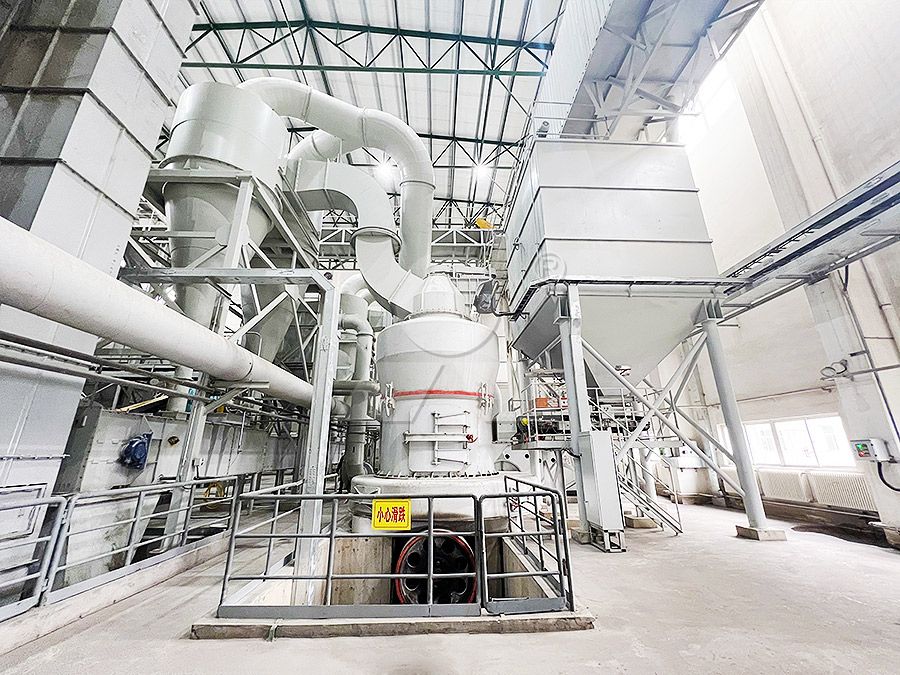
A cornerstone of the German milling industry, Gebr. Pfeiffer boasts a history spanning over 150 years. They are particularly renowned for their MPS vertical roller mills, which are exceptionally well-suited for grinding bentonite. Pfeiffer mills are celebrated for their low energy consumption, high availability, and advanced drying capabilities, which are crucial when processing bentonite with variable moisture content. Their integrated grinding, drying, and classifying systems offer a streamlined and efficient solution for large-scale bentonite production.
2. Loesche GmbH
Loesche is another titan in the field of vertical roller mills. With a legacy of innovation, their technology is applied worldwide in cement, ore, and industrial minerals processing. For bentonite grinding, Loesche mills provide high grinding efficiency and flexibility. A key advantage is their ability to handle sticky materials like bentonite with specialized mill designs that prevent packing and ensure a consistent, fine product output. Their commitment to digitalization and remote monitoring also makes them a forward-thinking choice.
3. NETZSCH Grinding & Dispersing
NETZSCH specializes in wet and dry grinding systems for the finest particle sizes. For ultra-fine bentonite applications, such as those required in cosmetics, pharmaceuticals, or high-performance drilling fluids, NETZSCH’s agitator bead mills are industry leaders. Their focus on precision and product quality control makes them ideal for producers targeting niche, high-value bentonite markets where consistent micron-level fineness is non-negotiable.
4. ALPINE Aktiengesellschaft
ALPINE offers a comprehensive range of size reduction technologies, including opposed jet mills and classifier mills. These air-swept mills are excellent for achieving very fine and ultra-fine particle distributions in bentonite without contamination, as the process relies on particle-on-particle impact. ALPINE’s expertise in air classification integrated with grinding allows for precise top-cut control, ensuring no oversize particles compromise the quality of the final bentonite powder.
5. Hosokawa Alpine / Bexmill
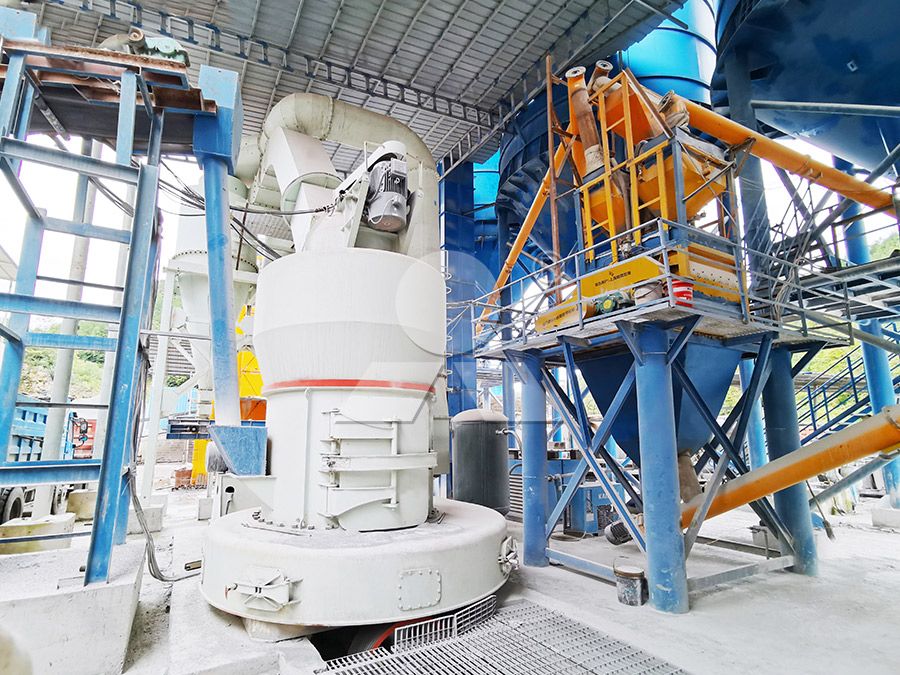
While Hosokawa Alpine is a well-known global brand, its roots and significant manufacturing prowess remain in Germany. Their machines, such as the Bexmill (impact mill) and the TDG Tandem Grinding System, are designed for high-capacity, cost-effective grinding of minerals like bentonite. They are known for rugged construction, ease of maintenance, and designs that minimize wear, a critical factor when processing abrasive materials.
A High-Performance Alternative for Ultra-Fine Bentonite
While German engineering sets a high standard, global innovation continues to advance. For operations seeking a balance of advanced technology, operational economy, and exceptional support, the MW Ultrafine Grinding Mill presents a compelling solution. This mill is specifically engineered for customers requiring ultra-fine powder from materials like bentonite.
With an input size of 0-20 mm and a capacity range of 0.5-25 tph, it offers remarkable versatility. Its design incorporates several key advantages for bentonite processing:
- Higher Yielding, Lower Energy Consumption: Production capacity is 40% higher than jet mills with system energy consumption only 30% of comparable systems.
- Adjustable Fineness (325-2500 meshes): A German-technology cage-type powder selector allows precise control over the final product’s fineness, achieving d97≤5μm.
- Eco-Friendly Operation: An efficient pulse dust collector and muffler ensure the production process meets stringent environmental standards, a critical consideration for modern plants.
For projects demanding even greater integration and efficiency, the LUM Ultrafine Vertical Grinding Mill is another excellent option. It combines ultrafine powder grinding, grading, and transporting in a single unit, featuring advanced roller technology and energy-saving multi-head powder separating technology that reduces consumption by 30%-50%.
Frequently Asked Questions (FAQ)
Q1: Why is German engineering often preferred for grinding mills?
A: German manufacturers are synonymous with precision, durability, and innovative design. Their mills are built to last, offer high energy efficiency, and incorporate the latest automation and control technologies, ensuring consistent product quality and reliable long-term operation.
Q2: What is the key difference between a vertical roller mill and a Raymond mill for bentonite?
A: Vertical roller mills (like those from Pfeiffer or Loesche) are generally more efficient for larger capacities and integrate drying and grinding. They offer lower energy consumption per ton. Raymond mills (or pendulum roller mills) are a proven technology ideal for small to medium capacities and are valued for their simplicity and lower initial investment.
Q3: How important is the ability to dry material within the mill for bentonite processing?
A: It is crucial. Bentonite clay naturally contains moisture. The ability to simultaneously dry and grind within a single unit, a feature of many vertical roller mills, simplifies the process flow, reduces the plant’s footprint, and leads to significant energy savings compared to using a separate dryer.
Q4: Can the MW Ultrafine Grinding Mill handle other materials besides bentonite?
A: Absolutely. The MW Mill is highly versatile and suitable for a wide range of non-metallic minerals with Mohs hardness below 7, including limestone, calcite, dolomite, barite, talc, and gypsum, making it a valuable asset for various industrial powder production lines.