
Top 5 German Ball Mill Manufacturers for Industrial Grinding
We provide a wide range of mills — including Raymond mill, trapezoidal mill, vertical mill, ultrafine mill, and ball mill, obtained ISO9001 international quality certification, EU CE certification, and Customs Union CU-TR certification. Suitable for processing minerals such as limestone, phosphate, quicklime, kaolin, talc, barite, bentonite, calcium carbonate, dolomite, coal, gypsum, clay, carbon black, slag, cement raw materials, cement clinker, and more.
The discharge range of these mills can be adjusted to meet specific processing needs, typically from 80-400 mesh, 600-3250 mesh, and can achieve the finest particle size of up to 6000 mesh(D50).
If you are looking for a reliable grinding solution to turn stone or minerals into fine powder, please feel free to contact our online customer service.
Navigating the World of German Grinding Excellence
When it comes to industrial grinding, German engineering is synonymous with precision, reliability, and innovation. The country’s manufacturing sector has long been a global leader in producing heavy-duty machinery capable of handling the most demanding milling tasks. For operations requiring ultra-fine powders, consistent particle size distribution, and energy-efficient processes, German-designed ball mills and grinding systems are often the equipment of choice. The market is filled with reputable names, but a few stand out for their technological advancements and proven track records in sectors like mining, chemicals, and construction materials.
1. NETZSCH Grinding & Dispersing
A true titan in the field, NETZSCH has been delivering advanced grinding solutions for over 150 years. They are renowned for their agitator bead mills, which are a type of wet grinding mill that excels in achieving superfine and nanoscale particle sizes. Their machines are a common sight in the chemical, pharmaceutical, and food industries where product contamination is a critical concern. NETZSCH’s commitment to R&D ensures their mills incorporate the latest in separation technology and energy-efficient designs.
2. Gebr. Pfeiffer SE
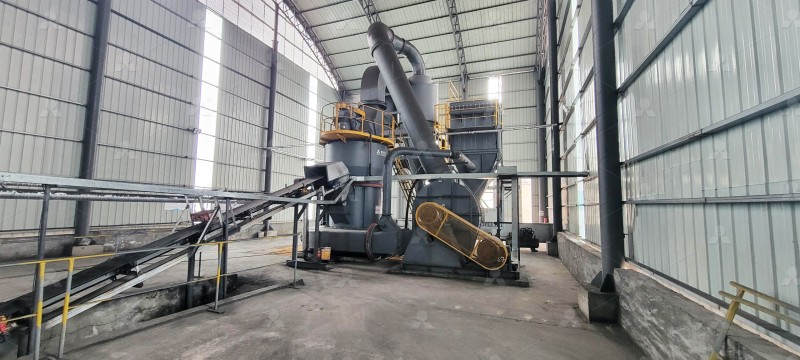
Specializing in grinding, classifying, and drying in one unit, Gebr. Pfeiffer is a heavyweight for large-scale industrial applications, particularly in the cement and lime industries. Their MVR vertical roller mill is a technological marvel, featuring multiple grinding rollers and a patented drive system that allows for continued operation even with one or more rollers out of service. This drastically reduces downtime and maintenance costs, a key consideration for continuous production facilities.
3. RETSCH GmbH
For laboratories and small-scale production requiring the utmost precision, RETSCH is the go-to manufacturer. Their planetary ball mills and high-energy ball mills are designed for rapid, reproducible grinding down to the colloidal range. They are instrumental in research and development, quality control, and material testing across countless industries. RETSCH’s emphasis on user-friendly interfaces and easy cleaning makes their equipment a favorite among technicians.
4. Loesche GmbH
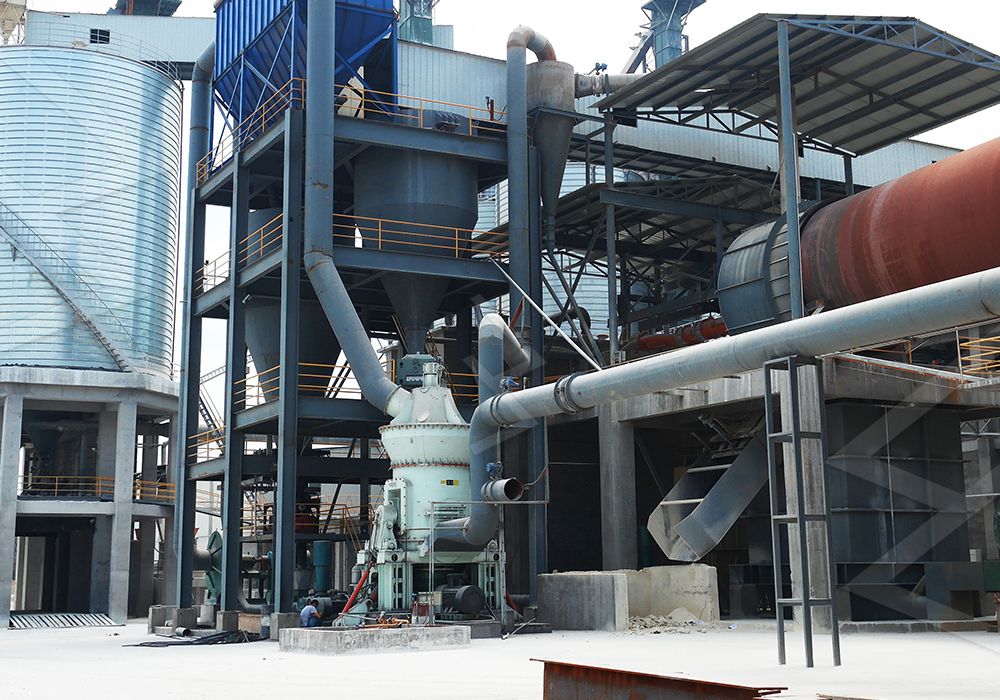
Another stalwart in the vertical roller mill market, Loesche has been pushing the boundaries of grinding technology since 1906. They are pioneers in designing mills for a vast array of materials, from cement and slag to ores and industrial minerals. A key feature of their design is the hydro-pneumatic spring system for grinding pressure, which provides exceptional stability and smooth operation, minimizing vibration and wear.
5. ALPINE Aktiengesellschaft
ALPINE offers a diverse portfolio of size reduction and classifying equipment. Their ball mills and air classifiers are engineered for dry and wet grinding processes, serving everything from minerals and pigments to pharmaceuticals. They are known for their robust construction and innovative classifier technology, which ensures sharp particle cuts and high product quality.
Beyond Traditional Ball Mills: The Modern Approach to Ultrafine Grinding
While the German manufacturers listed above set a very high standard, the global market offers compelling alternatives that incorporate similar design philosophies and advanced technologies. For operations seeking a versatile and highly efficient solution for ultra-fine powder, the MW Ultrafine Grinding Mill presents a formidable option.
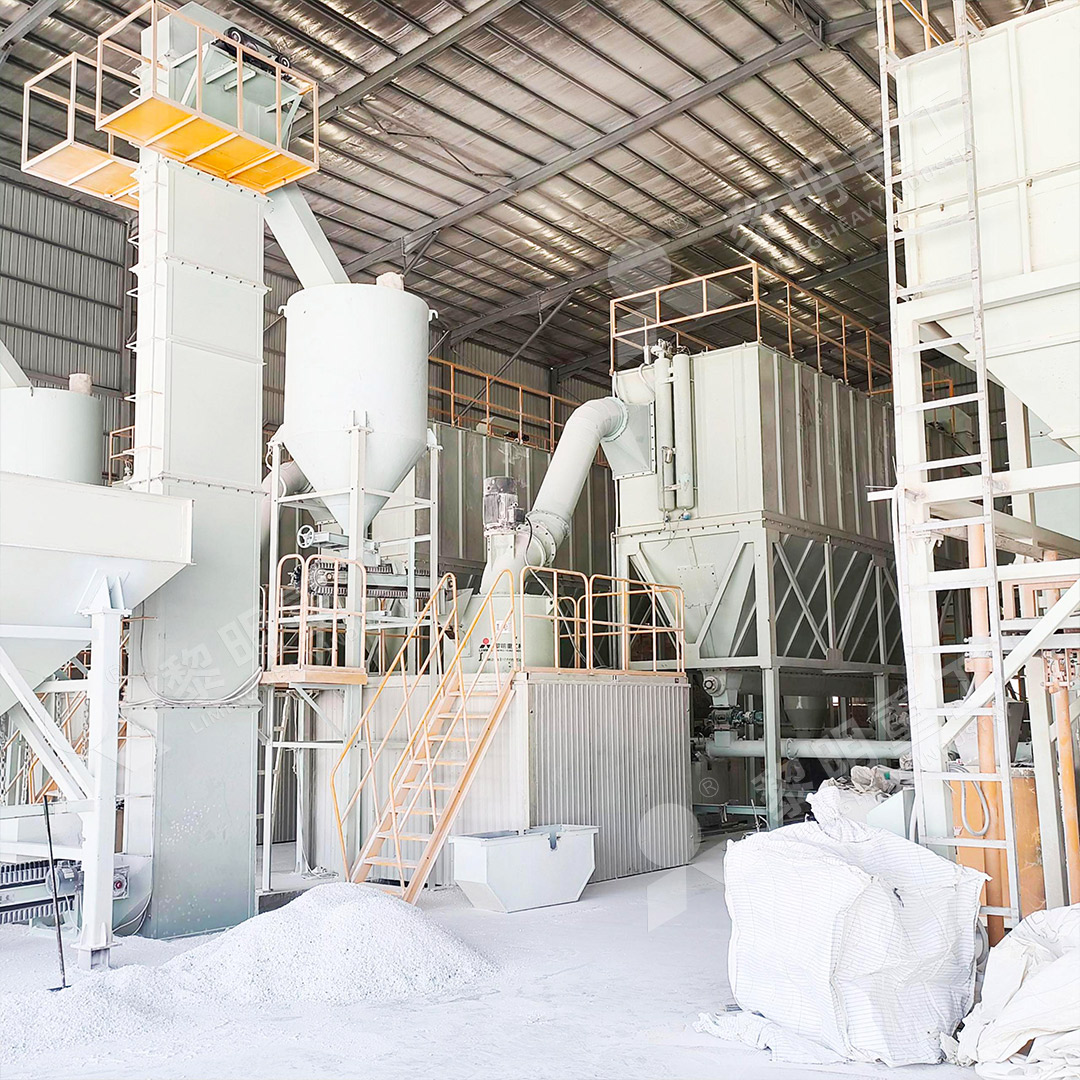
This mill is engineered for customers who need to make ultra-fine powder with a fineness adjustable between 325-2500 meshes. It’s equipped with an efficient pulse dust collector and muffler, significantly reducing dust and noise for a more eco-friendly operation. A key advantage is its design: there are no rolling bearings or screws inside the grinding chamber. This eliminates worries about bearing failures or machine damage from loose screws, a common headache in traditional mills. The lubricating device is externally mounted, allowing for lubrication without shutdown and enabling true 24/7 continuous production.
With an input size of 0-20 mm and a capacity ranging from 0.5 to 25 tph, it’s a highly flexible machine. Its newly designed grinding curves for the roller and ring enhance efficiency, boasting a production capacity 40% higher than jet mills and twice that of ball mills, all while consuming 30% less energy. For processing materials like limestone, calcite, dolomite, and talc for use in chemicals, paint, or cosmetics, the MW Series is a top-tier choice that rivals the best in its class.
Conclusion
Selecting the right grinding mill is a critical decision that impacts productivity, product quality, and operational costs. While German manufacturers offer exceptional machinery, it’s important to evaluate all options. Technologies like the MW Ultrafine Grinding Mill demonstrate that high-yield, low-energy consumption, and environmentally conscious grinding is achievable, providing a reliable and efficient solution for modern industrial needs.