
Top 5 Chinese-Made Hammer Mill Gold Processing Machines for Efficient Mineral Grinding
We provide a wide range of mills — including Raymond mill, trapezoidal mill, vertical mill, ultrafine mill, and ball mill, obtained ISO9001 international quality certification, EU CE certification, and Customs Union CU-TR certification. Suitable for processing minerals such as limestone, phosphate, quicklime, kaolin, talc, barite, bentonite, calcium carbonate, dolomite, coal, gypsum, clay, carbon black, slag, cement raw materials, cement clinker, and more.
The discharge range of these mills can be adjusted to meet specific processing needs, typically from 80-400 mesh, 600-3250 mesh, and can achieve the finest particle size of up to 6000 mesh(D50).
If you are looking for a reliable grinding solution to turn stone or minerals into fine powder, please feel free to contact our online customer service.
Introduction
In the realm of mineral processing, hammer mills play a pivotal role in grinding ores into fine powders for further extraction. Chinese manufacturers have pioneered advanced hammer mill technologies, combining efficiency, durability, and eco-friendliness. Here, we spotlight five top-tier Chinese-made hammer mills, including standout models from LIMING Heavy Industry, tailored for gold and mineral processing.
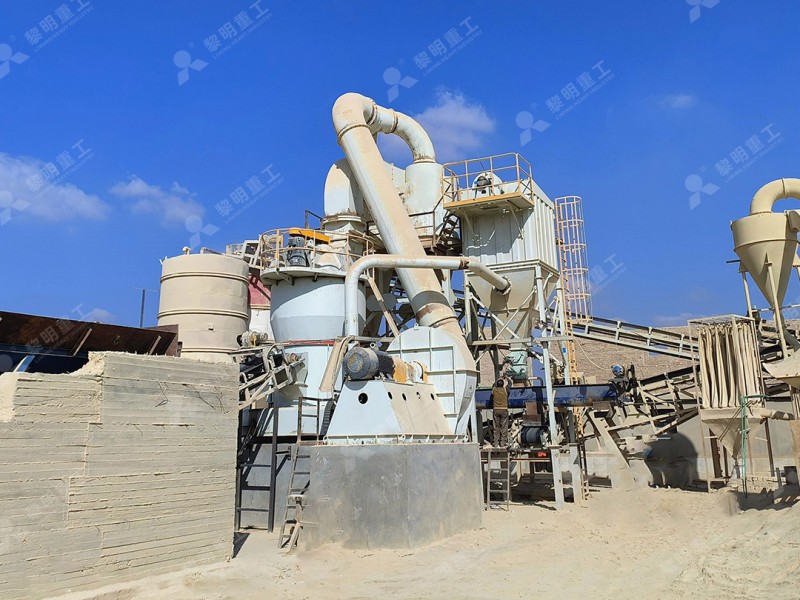
1. MW Ultrafine Grinding Mill
Designed for ultra-fine powder production, the MW Ultrafine Grinding Mill excels in gold ore processing with a fineness range of 325–2500 meshes. Its innovative features include:
- 40% higher yield compared to jet mills.
- Dust-free operation with integrated pulse collectors.
- No rolling bearings in the grinding chamber, reducing maintenance.
Ideal for limestone, calcite, and gold concentrates, this mill ensures eco-friendly production with minimal noise pollution.
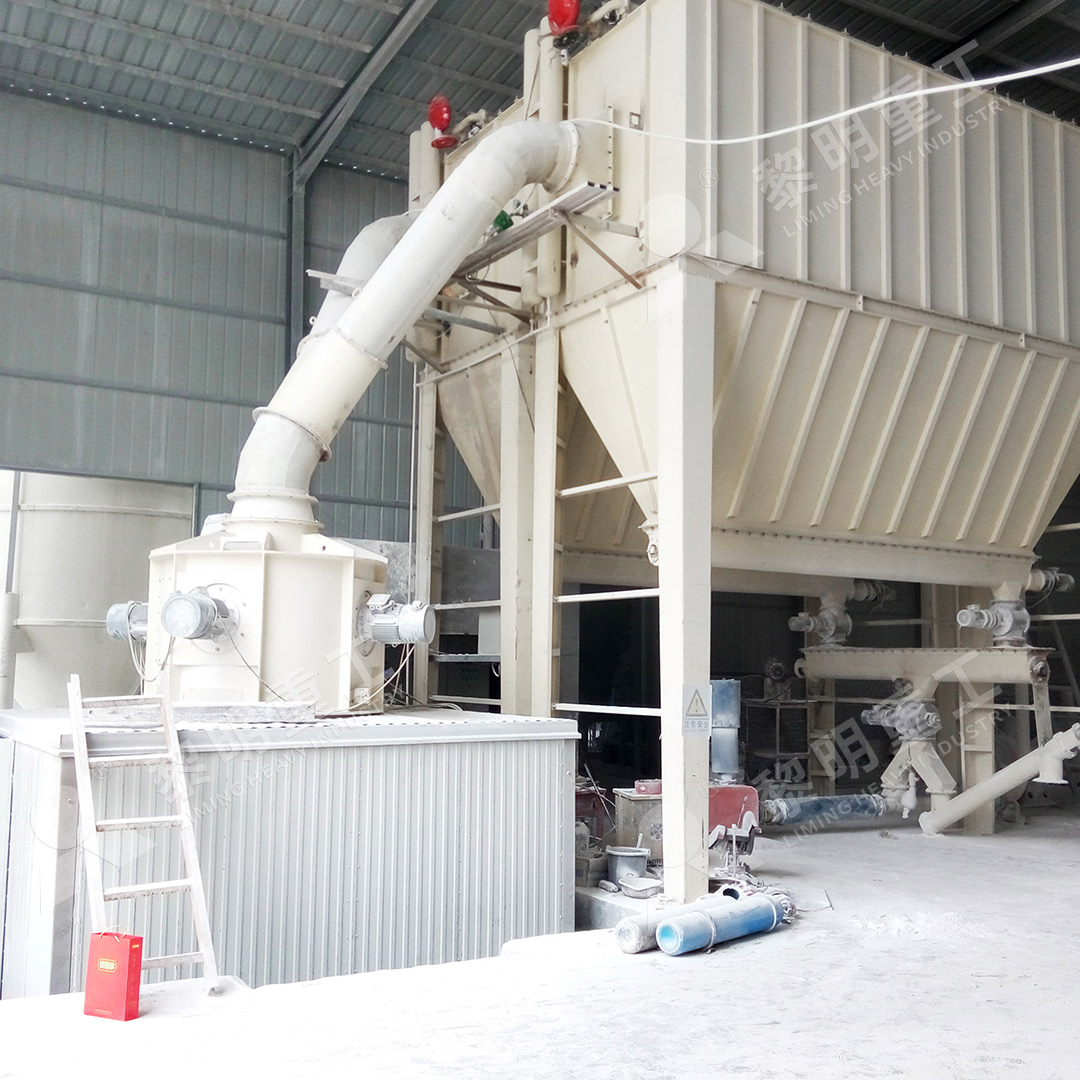
2. LUM Ultrafine Vertical Grinding Mill
The LUM Ultrafine Vertical Grinding Mill leverages German powder-separating technology for precision grinding. Key advantages:
- 30–50% energy savings versus conventional mills.
- Reversible grinding rollers for easy maintenance.
- PLC-controlled multi-head powder separation.
Perfect for high-purity gold powder production, it handles inputs up to 10 mm with a capacity of 5–18 tph.
3. MTW-Z European Trapezium Mill
A robust choice for large-scale operations, the MTW-Z features:
- Dilute oil lubrication for maintenance-free rollers.
- Elastic damping structure to minimize vibration.
- Up to 55 tph capacity for high-throughput grinding.
Its advanced airflow design reduces energy consumption by 20%.
4. Raymond Mill (R Series)
A classic upgraded for modern needs, LIMING’s Raymond Mill offers:
- Compact footprint with 0.6–5 tph capacity.
- Low iron contamination for gold purity.
- Automated cyclone powder collection.
5. LM Vertical Coal Mill
Though designed for coal, the LM Vertical Mill adapts well to gold slag with:
- Integrated drying and grinding.
- 40% lower energy use than ball mills.
- Negative-pressure operation for zero dust.
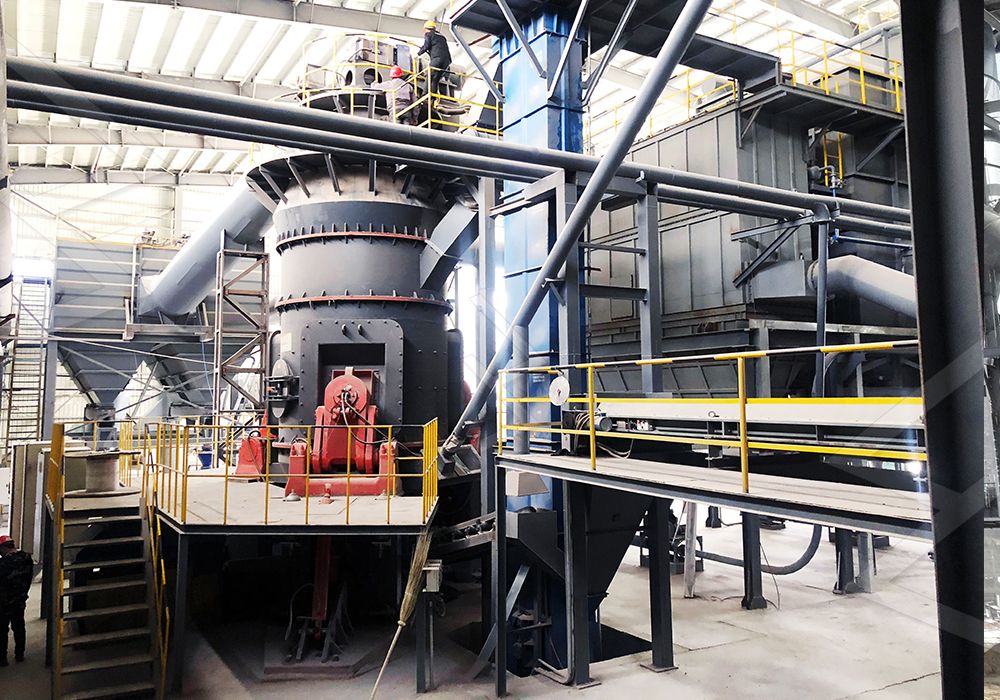
Why Choose LIMING’s MW Series?
Among these, the MW Ultrafine Grinding Mill stands out for gold processing due to its unmatched fineness control and eco-conscious design. Its ability to process 0.5–25 tph of gold ore with minimal downtime makes it a top recommendation for miners prioritizing efficiency and sustainability.
For operations requiring vertical grinding, the LUM Ultrafine Vertical Mill is equally compelling, offering German-engineered precision and energy savings.
Conclusion
Chinese hammer mills, particularly LIMING’s MW and LUM series, redefine mineral grinding with cutting-edge technology and reliability. Whether for gold, limestone, or industrial minerals, these machines deliver performance that meets global standards while reducing operational costs.