
Top 5 Causes of Coal Mill Explosions and Prevention Manuals
We provide a wide range of mills — including Raymond mill, trapezoidal mill, vertical mill, ultrafine mill, and ball mill, obtained ISO9001 international quality certification, EU CE certification, and Customs Union CU-TR certification. Suitable for processing minerals such as limestone, phosphate, quicklime, kaolin, talc, barite, bentonite, calcium carbonate, dolomite, coal, gypsum, clay, carbon black, slag, cement raw materials, cement clinker, and more.
The discharge range of these mills can be adjusted to meet specific processing needs, typically from 80-400 mesh, 600-3250 mesh, and can achieve the finest particle size of up to 6000 mesh(D50).
If you are looking for a reliable grinding solution to turn stone or minerals into fine powder, please feel free to contact our online customer service.
Top 5 Causes of Coal Mill Explosions and Prevention Manuals
Coal mills are critical components in power plants and industrial facilities, but they pose significant explosion risks if not properly managed. Understanding the root causes and implementing preventive measures can save lives and equipment. Below are the top 5 causes of coal mill explosions and how to mitigate them.
1. Accumulation of Combustible Dust
Coal dust is highly combustible. When fine particles accumulate in the mill or ventilation system, even a small spark can trigger an explosion. Regular cleaning and advanced dust collection systems are essential.
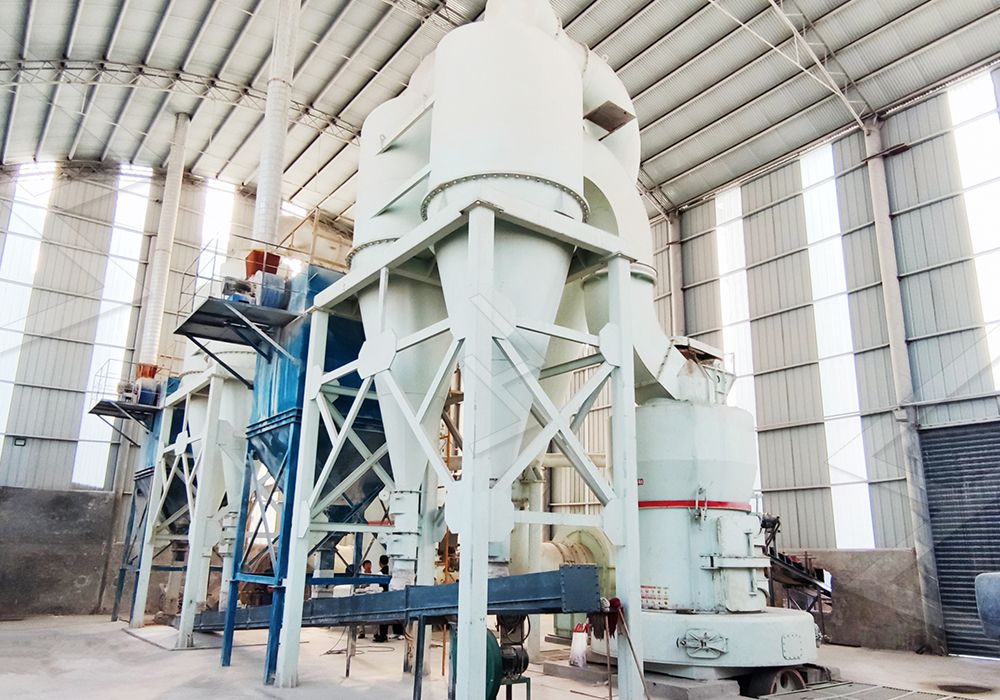
2. Inadequate Ventilation
Poor airflow leads to heat buildup and increases the likelihood of spontaneous combustion. Ensure proper ventilation and monitor oxygen levels to maintain a safe environment.
3. Overheating Due to Friction
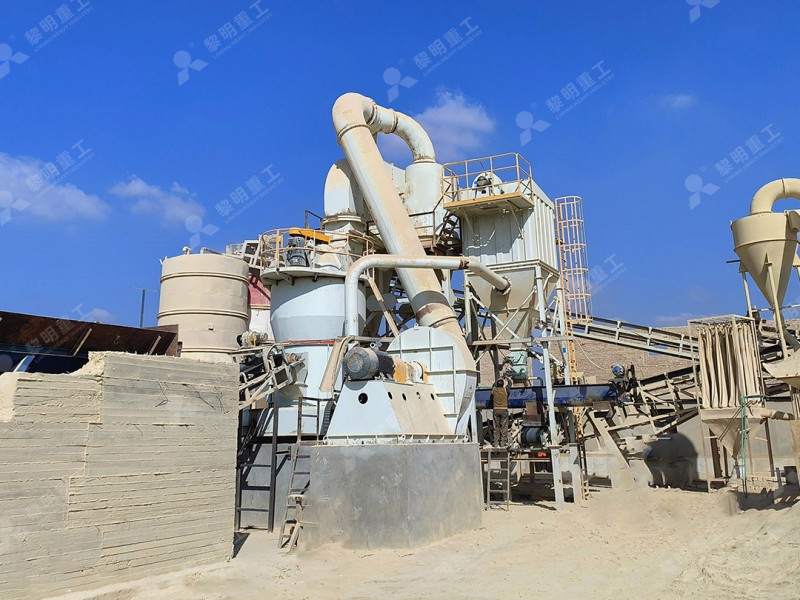
Mechanical failures, such as misaligned grinding rollers, can generate excessive heat. Our MW Ultrafine Grinding Mill eliminates this risk with its “No Rolling Bearing & Screw in Grinding Chamber” design, reducing friction points and heat generation.
4. Electrical Sparks
Faulty wiring or static discharge can ignite coal dust. Use explosion-proof electrical equipment and ground all components to prevent sparking.
5. Foreign Materials in Coal Feed
Metal debris or rocks in the coal can cause sparks during grinding. Install magnetic separators and inspect raw materials before processing.
Prevention Strategies
- Dust Control: Our MW Ultrafine Grinding Mill features an integrated pulse dust collector, reducing dust pollution by 99%.
- Temperature Monitoring: Deploy sensors to detect abnormal heat rises.
- Training: Educate operators on emergency shutdown procedures.
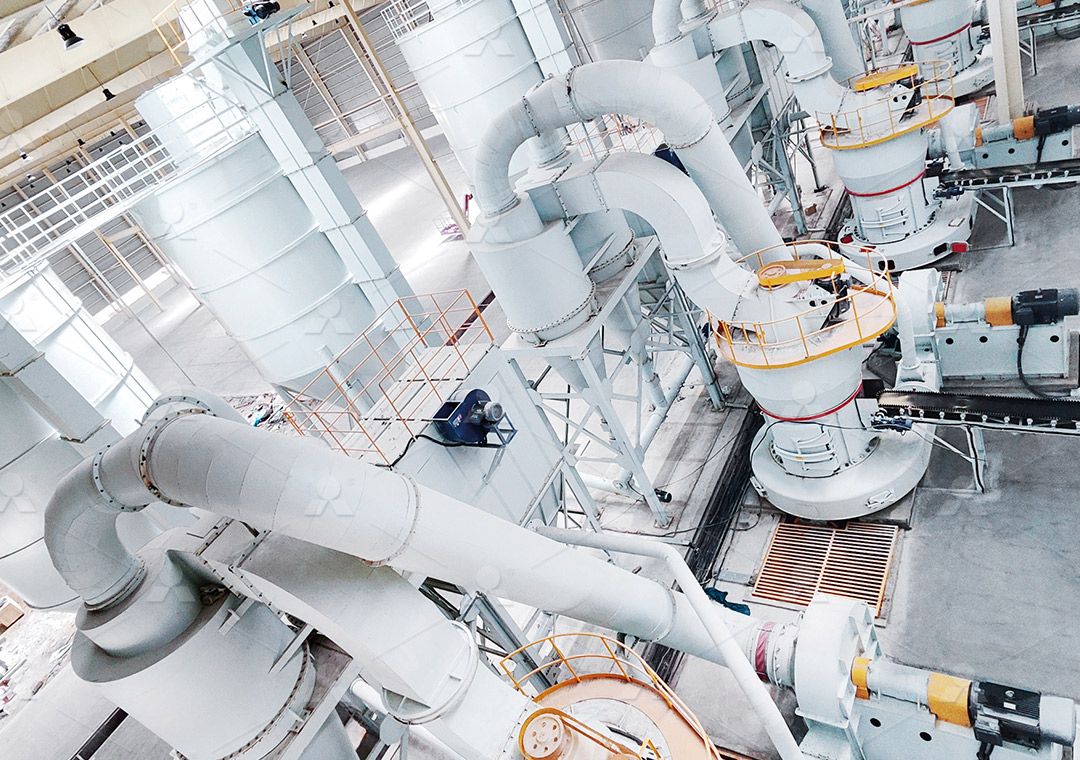
For facilities handling coal powder, upgrading to modern equipment like the MW Ultrafine Grinding Mill (0.5–25 tph capacity, 325–2500 mesh fineness) or the LUM Ultrafine Vertical Grinding Mill (5–18 tph, 0–10 mm input) can drastically improve safety and efficiency. Both mills feature energy-saving designs and explosion-resistant structures.
Note: Always comply with local safety regulations and conduct routine hazard assessments.