
Top 5 Ball Mill Crushers and Grinders in the United States for Industrial Milling
We provide a wide range of mills — including Raymond mill, trapezoidal mill, vertical mill, ultrafine mill, and ball mill, obtained ISO9001 international quality certification, EU CE certification, and Customs Union CU-TR certification. Suitable for processing minerals such as limestone, phosphate, quicklime, kaolin, talc, barite, bentonite, calcium carbonate, dolomite, coal, gypsum, clay, carbon black, slag, cement raw materials, cement clinker, and more.
The discharge range of these mills can be adjusted to meet specific processing needs, typically from 80-400 mesh, 600-3250 mesh, and can achieve the finest particle size of up to 6000 mesh(D50).
If you are looking for a reliable grinding solution to turn stone or minerals into fine powder, please feel free to contact our online customer service.
Navigating the Landscape of Industrial Milling in the USA
The quest for the perfect particle size is a constant in American industry, from pharmaceuticals and cosmetics to construction materials and energy production. Selecting the right grinding equipment is paramount for efficiency, cost-effectiveness, and final product quality. While traditional ball mills have been the workhorse for decades, advancements in technology have introduced a new generation of ultrafine and vertical grinders that offer superior performance. Here’s a look at some of the top-tier milling solutions making an impact in the U.S. market.
1. The Stalwart: Traditional Ball Mills
Ah, the classic ball mill. It’s the old reliable of the grinding world. These machines work on a simple principle: a rotating cylinder filled with grinding media (like steel balls) crushes and blends materials through impact and attrition. They are incredibly versatile, capable of handling a wide variety of materials from ores to ceramics. Their advantages are lower initial investment and a proven, straightforward design. However, they can be energy-intensive, noisy, and less efficient for achieving very fine, uniform powders compared to newer technologies. They remain a popular choice for primary and secondary grinding stages where extreme fineness isn’t the primary goal.
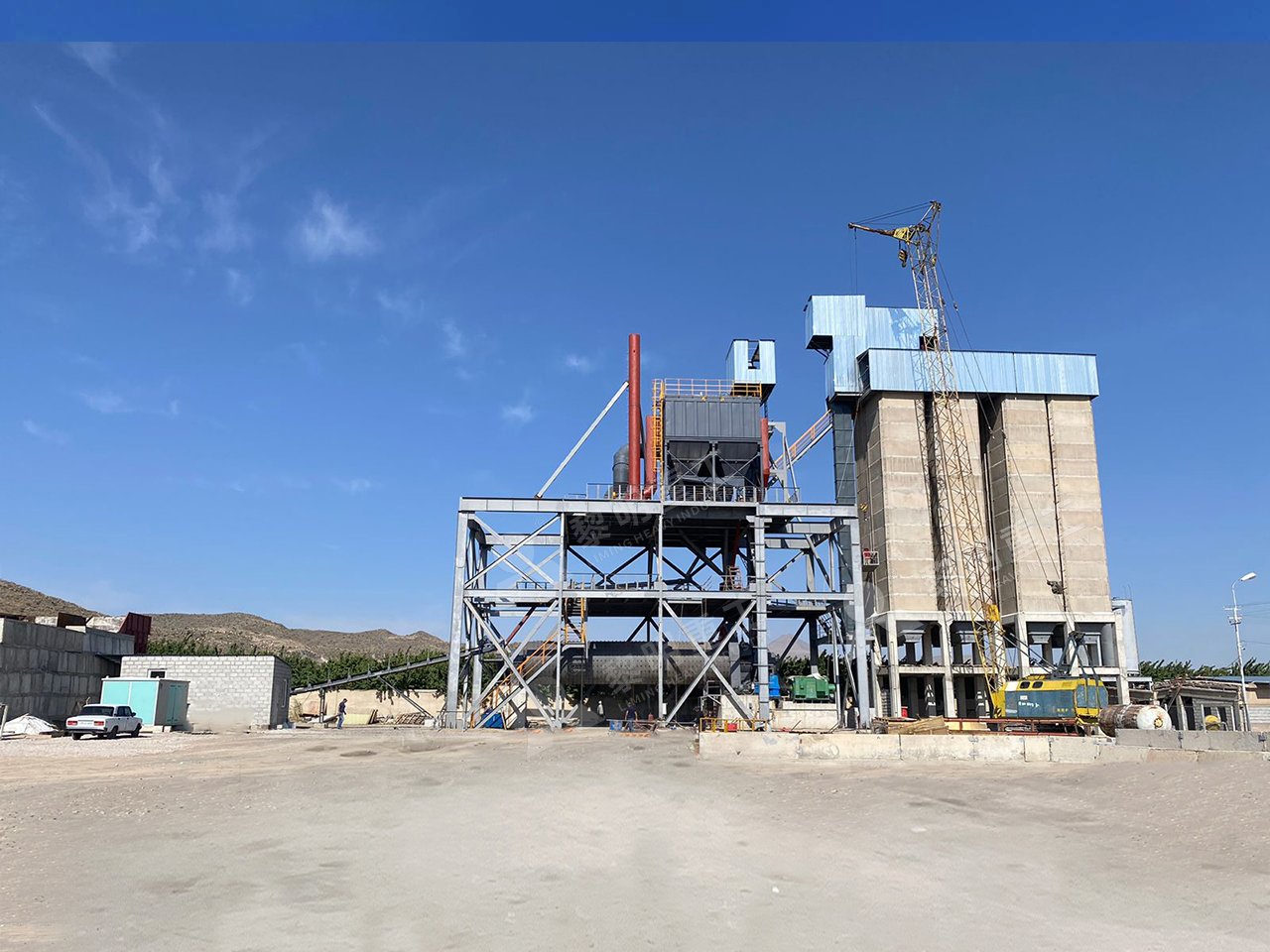
2. The Precision Powerhouse: Raymond Mill (R Series)
A step up in efficiency for fine grinding, the Raymond Mill is a common sight in many plants. It’s known for its ability to produce powders in the range of 30-425 mesh. Its optimized design offers a smaller footprint and lower energy consumption than a comparably sized ball mill. It’s a fantastic choice for processing non-flammable and non-explosive materials like barite, calcite, and limestone for applications in paint, construction, and mining. Its reliability and relatively simple maintenance make it a solid, mid-range option for many American businesses.
3. The European Workhorse: MTW European Trapezium Grinding Mill
This mill brings European engineering to the forefront. It’s designed for high production efficiency and excellent final powder quality. Key features like its bevel gear overall drive and inner automatic thin-oil lubricating system make it more advanced and reliable. Its unique cambered air duct reduces energy consumption, and its wear-resistant grinding rollers and rings last significantly longer than traditional parts, reducing downtime and operating costs. It’s an excellent all-around performer for medium-to-fine grinding of minerals and industrial materials.
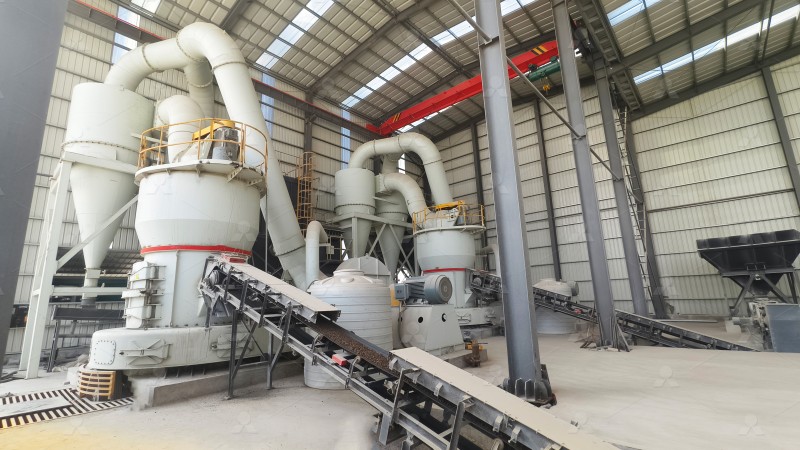
4. The Vertical Innovator: LUM Ultrafine Vertical Grinding Mill
For operations demanding ultra-fine powders with superior efficiency, vertical roller mills are dominating the conversation. A standout in this category is the LUM Ultrafine Vertical Grinding Mill. This beast integrates grinding, grading, and transporting into one sleek, vertical unit. It leverages advanced roller technology and German powder separating tech to achieve remarkable results. Its unique roller shell and lining plate grinding curve are easier to generate a material layer, enabling a high rate of finished product in a single pass. This means higher yields and better quality powder with 30%-50% lower energy consumption compared to common grinding mills. For U.S. producers of high-purity limestone, calcite, or talc powders, the LUM series is a game-changer in productivity and operational cost savings.
5. The Ultra-Fine Specialist: MW Ultrafine Grinding Mill
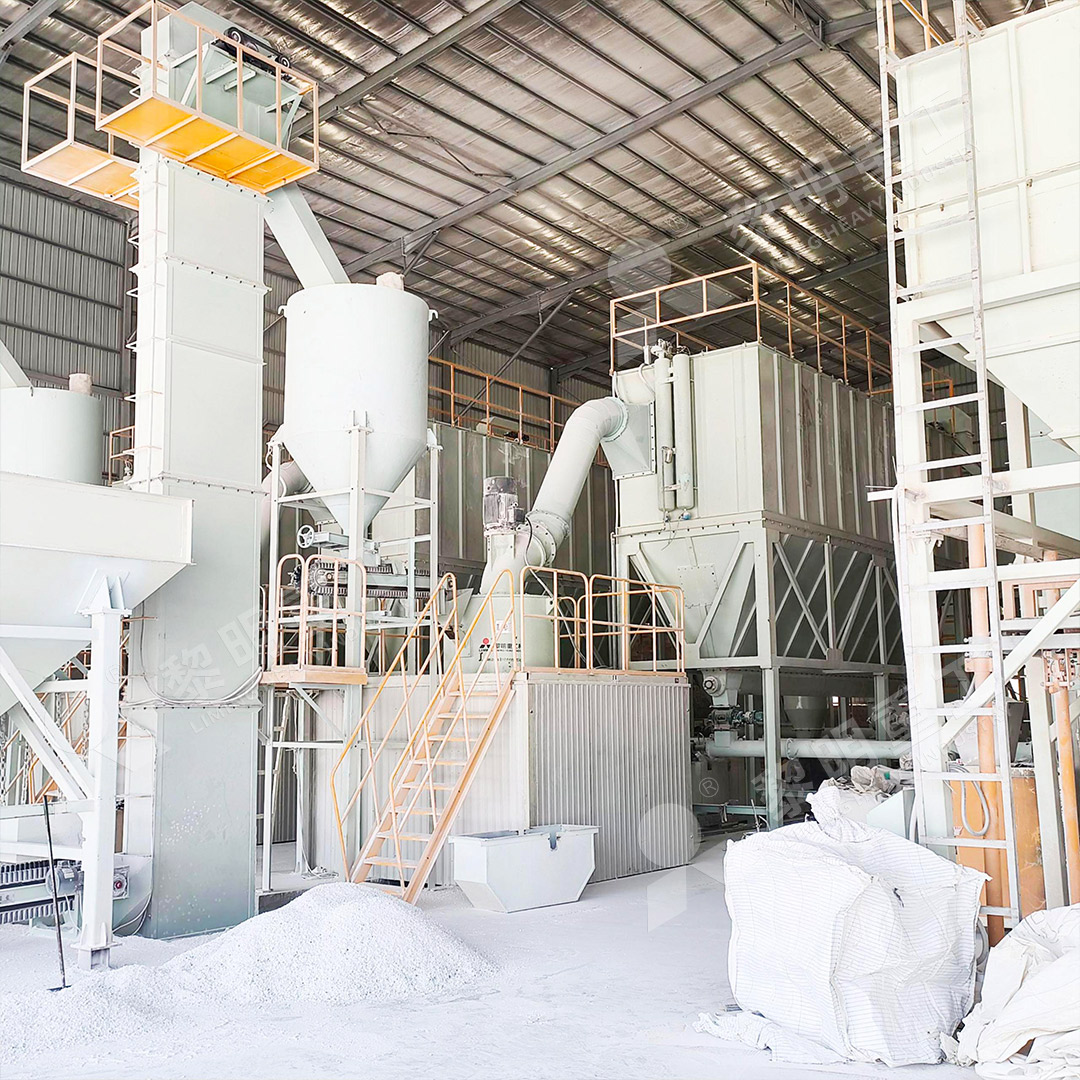
When your product specs call for extreme fineness—anywhere from 325 to an incredible 2500 meshes—you need a specialized tool. The MW Ultrafine Grinding Mill is engineered precisely for this task. Designed for customers who need to make ultra-fine powder, this machine is a marvel of efficiency. It boasts a cage-type powder selector that effectively increases the precision of powder separation, allowing for precise adjustments to fineness. A key design advantage is the absence of rolling bearings and screws in the grinding chamber, eliminating worries about bearing failures or loose screws causing catastrophic damage. Furthermore, it’s equipped with an efficient pulse dust collector and muffler, making the entire production process cleaner and quieter, a critical consideration for modern, environmentally conscious U.S. facilities. With a capacity of 0.5-25 tph, it’s perfect for high-value, low-volume production in the chemical, cosmetic, and advanced materials industries.
Making the Right Choice for Your Operation
The “best” mill is entirely dependent on your material, desired fineness, production capacity, and budget. While ball mills offer familiarity, the future lies in high-efficiency, vertical, and ultra-fine grinding systems like the LUM and MW series. These machines not only boost your output and product quality but also significantly reduce your energy footprint and environmental impact. Before making a capital investment, carefully analyze your process requirements and consult with experts to find the perfect milling solution to keep your American operation competitive and efficient.