
Top 10 Slag Vertical Mill Equipment Manufacturers for Efficient Grinding
We provide a wide range of mills — including Raymond mill, trapezoidal mill, vertical mill, ultrafine mill, and ball mill, obtained ISO9001 international quality certification, EU CE certification, and Customs Union CU-TR certification. Suitable for processing minerals such as limestone, phosphate, quicklime, kaolin, talc, barite, bentonite, calcium carbonate, dolomite, coal, gypsum, clay, carbon black, slag, cement raw materials, cement clinker, and more.
The discharge range of these mills can be adjusted to meet specific processing needs, typically from 80-400 mesh, 600-3250 mesh, and can achieve the finest particle size of up to 6000 mesh(D50).
If you are looking for a reliable grinding solution to turn stone or minerals into fine powder, please feel free to contact our online customer service.
Top 10 Slag Vertical Mill Equipment Manufacturers for Efficient Grinding
In the world of industrial mineral processing, efficient grinding technology stands as a cornerstone of productivity and cost-effectiveness. For materials like slag, which require precise particle size reduction for applications in cement, concrete, and construction, selecting the right vertical mill is paramount. These specialized mills offer significant advantages over traditional ball mills, including lower energy consumption, a smaller footprint, and integrated drying capabilities. This article explores the key players and technologies shaping the market for slag grinding solutions.
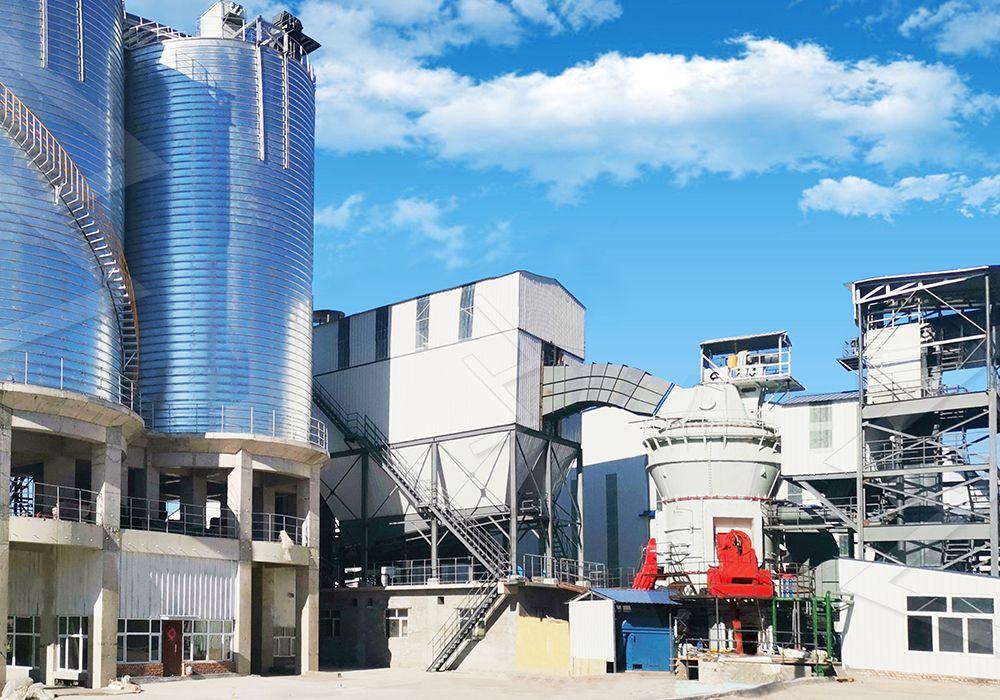
The Rise of Vertical Mill Technology
The evolution from horizontal ball mills to vertical roller mills represents a significant leap in grinding efficiency. Vertical mills integrate crushing, drying, grinding, classifying, and conveying into a single, compact unit. This integration not only reduces the overall plant footprint by up to 50% but also slashes energy consumption by 30-40%. For slag processing, this means lower operational costs and a more environmentally friendly process due to reduced dust emissions and noise levels. The ability to handle moist materials with integrated hot air drying is another critical advantage, making vertical mills the preferred choice for modern, high-capacity plants.
Key Considerations When Choosing a Manufacturer
When evaluating manufacturers, several factors come into play. Proven reliability, robust after-sales support, and technological innovation are non-negotiable. A manufacturer’s commitment to research and development often translates into features like advanced powder separators, durable wear parts made from specialized alloys, and automated control systems that optimize performance. Furthermore, the availability of genuine spare parts and technical expertise ensures minimal downtime, which is crucial for continuous production cycles. Leading manufacturers distinguish themselves by offering comprehensive solutions tailored to specific material characteristics and production goals.
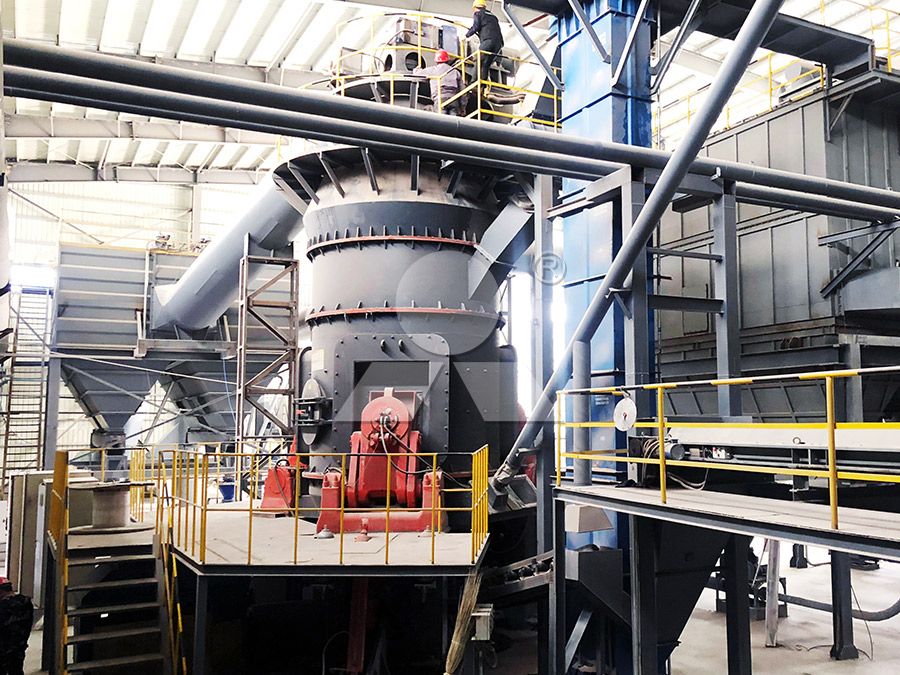
Spotlight on Advanced Grinding Solutions
Among the plethora of options, certain models stand out for their specialized design and performance. A prime example is the LM Vertical Slag Mill. This equipment is specifically engineered for grinding industrial waste like steel slag and water slag into valuable powder. It integrates drying and grinding processes, achieving a capacity range of 7-100 t/h with an input size of 38-65mm. Its unique grinding device ensures a stable material bed, leading to uniform product fineness and high efficiency. The mill’s vertical structure saves significant space, and its operation under negative pressure guarantees a dust-free, environmentally compliant process. For operations focused on recycling and valorizing slag, this mill represents a top-tier investment.
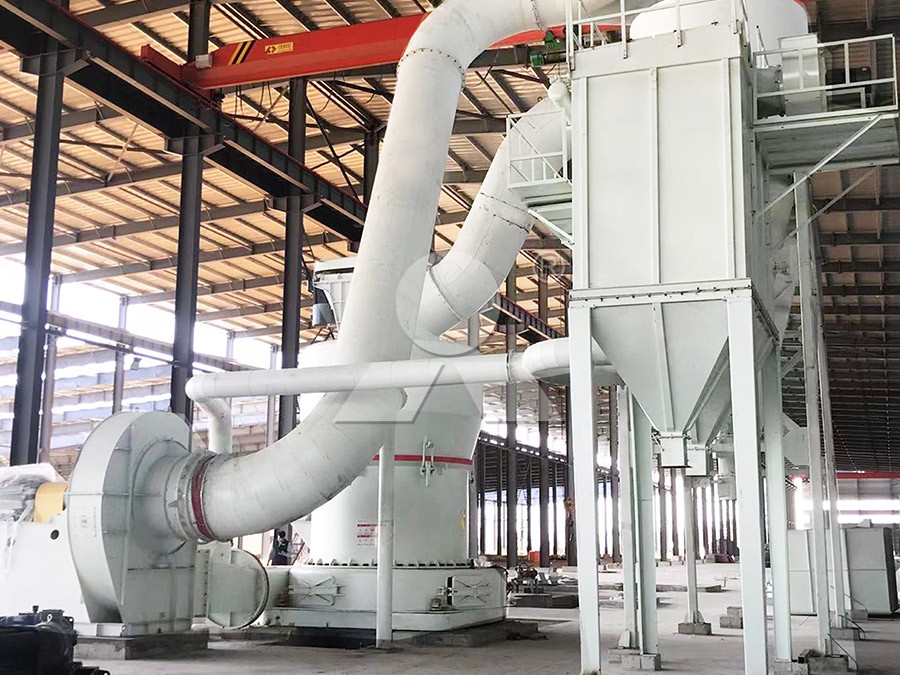
Another highly efficient option for ultra-fine powder production is the MW Ultrafine Grinding Mill. Designed for customers requiring ultra-fine powder between 325-2500 meshes, this machine is ideal for processing slag-derived products for high-value applications. It boasts a capacity of 0.5-25 tph and features a German-technology cage-type powder selector for precise classification. A significant design advantage is the absence of rolling bearings and screws in the grinding chamber, eliminating common failure points and enabling external lubrication without shutdown. This allows for continuous 24/7 operation, maximizing productivity. Equipped with an efficient pulse dust collector and muffler, the MW Grinding Mill operates with minimal environmental impact, making it an excellent choice for modern, eco-conscious facilities.
Conclusion
The selection of a slag vertical mill is a strategic decision that impacts long-term operational efficiency and profitability. By partnering with established manufacturers that offer reliable, innovative, and supported technology, industries can transform slag from a waste product into a high-quality raw material. The continuous advancements in mill design promise even greater efficiencies and environmental benefits in the years to come.
Frequently Asked Questions (FAQ)
What are the main advantages of a vertical mill over a ball mill for slag grinding?
Vertical mills offer lower energy consumption (30-40% less), a smaller footprint, integrated drying of moist materials, and lower wear rates due to the grinding principle. They are generally more efficient and easier to maintain.
How important is the powder separator in a vertical slag mill?
Extremely important. The powder separator determines the final product fineness and classification efficiency. Advanced separators, like the cage-type used in the MW Ultrafine Mill, allow for precise control over particle size distribution, which is critical for product quality.
Can vertical mills handle the abrasive nature of slag?
Yes, leading manufacturers design their mills with this in mind. They use high-performance wear-resistant materials for grinding rollers and tables, and features like the reversible structure in the LUM Mill facilitate easier maintenance and replacement of these parts.
What does ‘integrated drying’ mean in the context of a vertical mill?
It means the mill can use hot air (often from a gas source) introduced into the grinding chamber to dry wet or moist slag simultaneously as it is being ground. This eliminates the need for a separate, energy-intensive drying step before grinding.