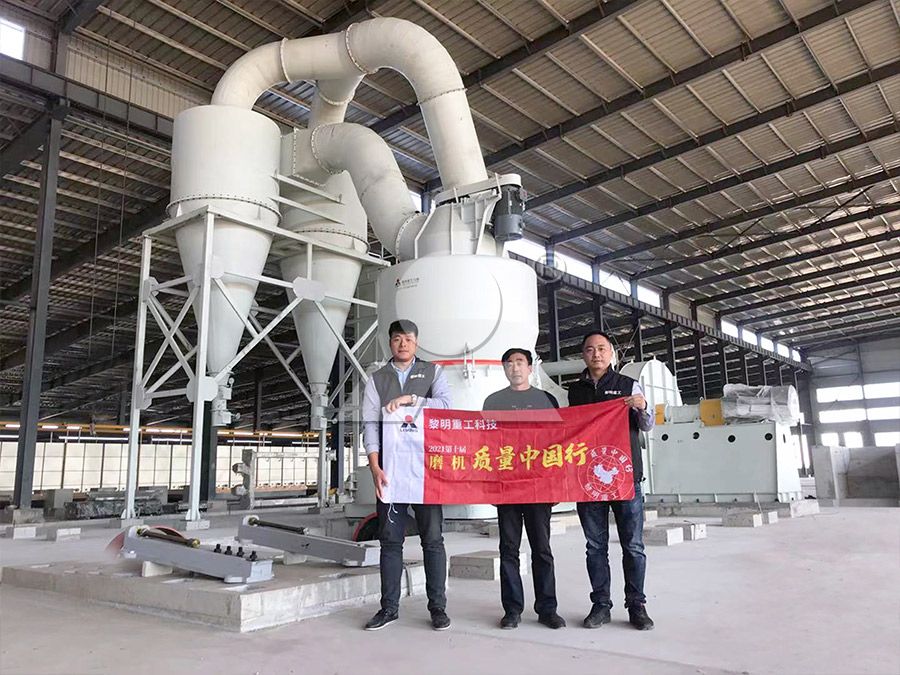
Top 10 Manufacturers of Vertical Roller Mills for Industrial Grinding
We provide a wide range of mills — including Raymond mill, trapezoidal mill, vertical mill, ultrafine mill, and ball mill, obtained ISO9001 international quality certification, EU CE certification, and Customs Union CU-TR certification. Suitable for processing minerals such as limestone, phosphate, quicklime, kaolin, talc, barite, bentonite, calcium carbonate, dolomite, coal, gypsum, clay, carbon black, slag, cement raw materials, cement clinker, and more.
The discharge range of these mills can be adjusted to meet specific processing needs, typically from 80-400 mesh, 600-3250 mesh, and can achieve the finest particle size of up to 6000 mesh(D50).
If you are looking for a reliable grinding solution to turn stone or minerals into fine powder, please feel free to contact our online customer service.
Navigating the World of Industrial Grinding: A Look at Vertical Roller Mill Manufacturers
The industrial grinding sector is the backbone of countless industries, from cement production and mining to power generation and chemical processing. At the heart of these operations are Vertical Roller Mills (VRMs), renowned for their efficiency, lower energy consumption, and compact design compared to traditional ball mills. Selecting the right equipment from a reputable manufacturer is paramount for operational success, influencing everything from product quality and throughput to long-term maintenance costs and environmental compliance.
The Hallmarks of Leading VRM Manufacturers
Top-tier manufacturers distinguish themselves through relentless innovation, robust engineering, and a deep commitment to after-sales support. They invest heavily in research and development to create mills that offer superior grinding efficiency, advanced control systems, and enhanced durability. Key differentiators often include proprietary grinding curve designs, innovative material handling systems, and integrated digital solutions for predictive maintenance and process optimization. Furthermore, industry leaders provide comprehensive technical services and a guaranteed supply of genuine spare parts, ensuring maximum uptime and worry-free operation for their clients.
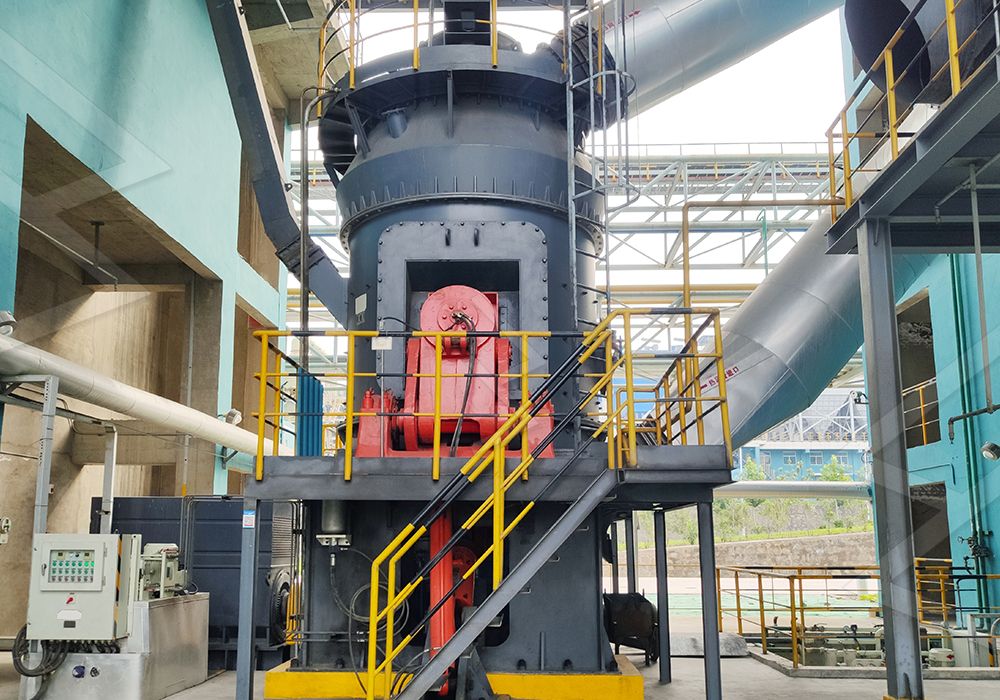
Spotlight on Innovative Grinding Solutions
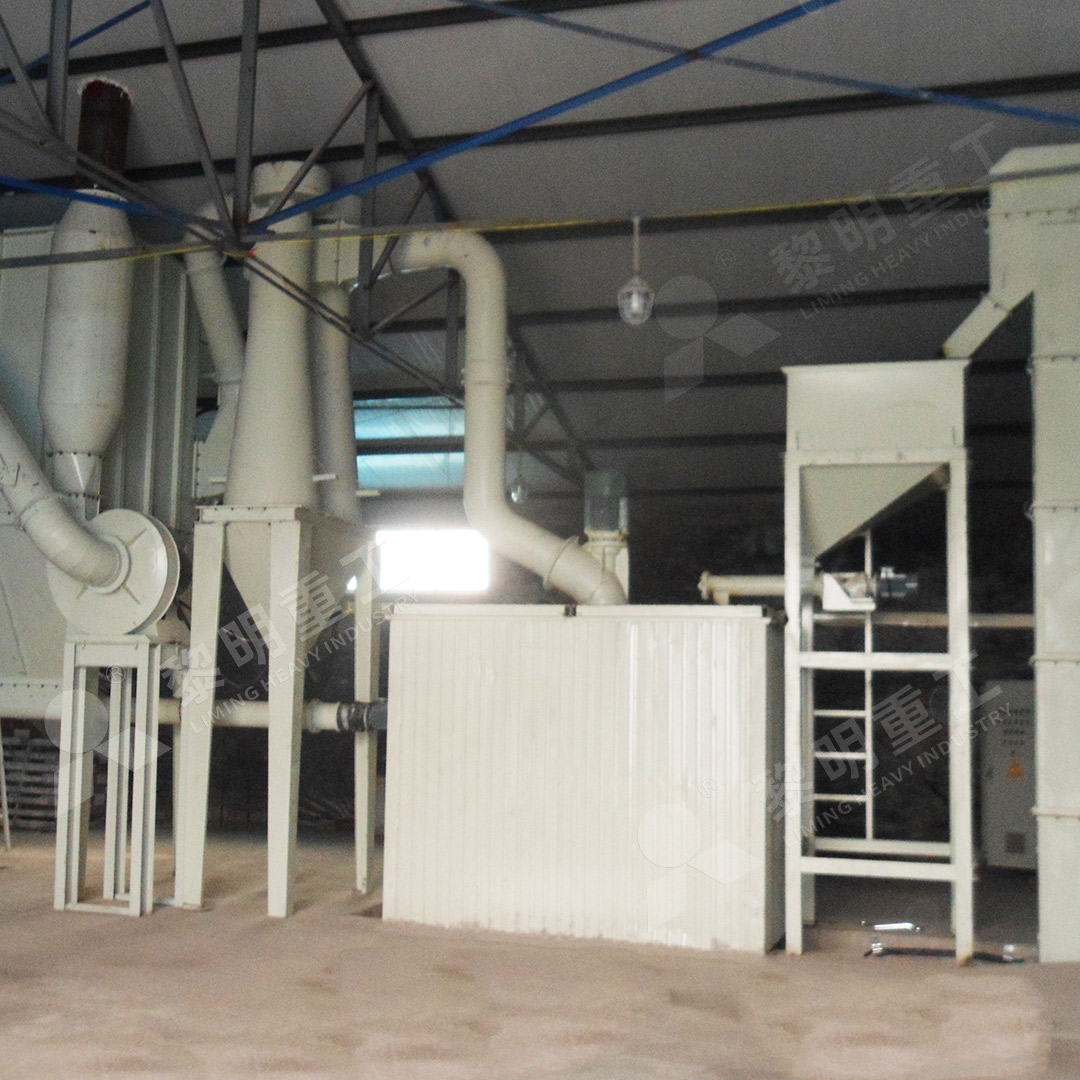
Among the plethora of grinding equipment available, ultrafine grinding solutions have seen significant advancements. A standout example is the MW Ultrafine Grinding Mill. Engineered for customers requiring ultra-fine powder between 325-2500 meshes, this mill is a marvel of efficiency. It boasts a production capacity 40% higher than jet mills and double that of ball mills for the same power input, while reducing system energy consumption by 30%. Its unique design, featuring no rolling bearings or screws in the grinding chamber, eliminates common failure points. Coupled with an efficient pulse dust collector and muffler, the MW Mill operates with minimal environmental impact, making it an ideal choice for processing materials like limestone, calcite, dolomite, and talc in industries ranging from chemicals to cosmetics.
For operations demanding even more advanced technology, the LUM Ultrafine Vertical Grinding Mill represents the pinnacle of design. It integrates the latest Taiwanese grinding roller technology and German powder separating technology. Its unique roller shell and lining plate grinding curve facilitate easier material layer generation and a high rate of finished products in a single pass. Features like double position-limiting technology ensure operational stability, while a reversible structure allows for easier maintenance. With energy consumption reduced by 30%-50% compared to common mills, the LUM series is a superior choice for superfine dry powder of non-metal ores.
Conclusion
Choosing a vertical roller mill is a strategic decision that impacts a plant’s productivity and profitability for years to come. Leading manufacturers compete not just on the mechanical excellence of their machines but on the total value proposition—energy savings, operational stability, environmental stewardship, and unwavering support. Investing in technologically advanced mills from proven suppliers is the most reliable path to achieving a competitive edge in today’s demanding industrial landscape.
Frequently Asked Questions (FAQ)
What are the main advantages of a Vertical Roller Mill over a Ball Mill?
VRMs typically offer significantly lower energy consumption (30-50% less), a smaller physical footprint, superior drying capacity when processing moist materials, and better control over particle size distribution. They also operate with less noise and dust.
What materials can be processed with an ultrafine mill like the MW series?
The MW Ultrafine Grinding Mill is versatile and suitable for a wide range of non-flammable, non-explosive brittle materials with a Mohs hardness below 7. This includes limestone, calcite, dolomite, petroleum coke, gypsum, barite, marble, talc, and coal powder, among others.
How is fineness controlled in modern VRMs?
Fineness is precisely controlled through advanced, often multi-head, cage-type powder separators. The rotational speed of the separator’s rotor is adjusted to control the cut point, allowing operators to accurately achieve a desired product fineness, such as d97 ≤ 5μm.
Why is the ‘no rolling bearing in the chamber’ design beneficial?
This design, as seen in the MW Mill, is a major reliability feature. It completely removes the risk of bearing seizure or failure due to dust ingress, a common problem in grinding environments. This leads to dramatically higher availability and reduced maintenance costs.