
Top 10 Limestone Grinding Mill Reviews: Performance & Reliability Compared
We provide a wide range of mills — including Raymond mill, trapezoidal mill, vertical mill, ultrafine mill, and ball mill, obtained ISO9001 international quality certification, EU CE certification, and Customs Union CU-TR certification. Suitable for processing minerals such as limestone, phosphate, quicklime, kaolin, talc, barite, bentonite, calcium carbonate, dolomite, coal, gypsum, clay, carbon black, slag, cement raw materials, cement clinker, and more.
The discharge range of these mills can be adjusted to meet specific processing needs, typically from 80-400 mesh, 600-3250 mesh, and can achieve the finest particle size of up to 6000 mesh(D50).
If you are looking for a reliable grinding solution to turn stone or minerals into fine powder, please feel free to contact our online customer service.
Top 10 Limestone Grinding Mill Reviews: Performance & Reliability Compared
Choosing the right grinding mill for limestone processing is crucial for operational efficiency, product quality, and overall profitability. With so many options on the market, it can be a daunting task. This review breaks down the performance and reliability of the top contenders, helping you make an informed decision for your operation.
1. The Ultrafine Champion: MW Ultrafine Grinding Mill
For operations demanding ultra-fine powder, the MW Ultrafine Grinding Mill stands out. It’s engineered for customers who need to make ultra-fine powder, boasting a fineness range between 325-2500 meshes. Its cage-type powder selector, which adopts German technologies, ensures high precision in powder separation. A key advantage is the absence of rolling bearings and screws in the grinding chamber, virtually eliminating concerns about bearing damage or loose screws causing failures. Furthermore, its efficient pulse dust collector and muffler make it an environmentally friendly choice, significantly reducing dust and noise pollution.
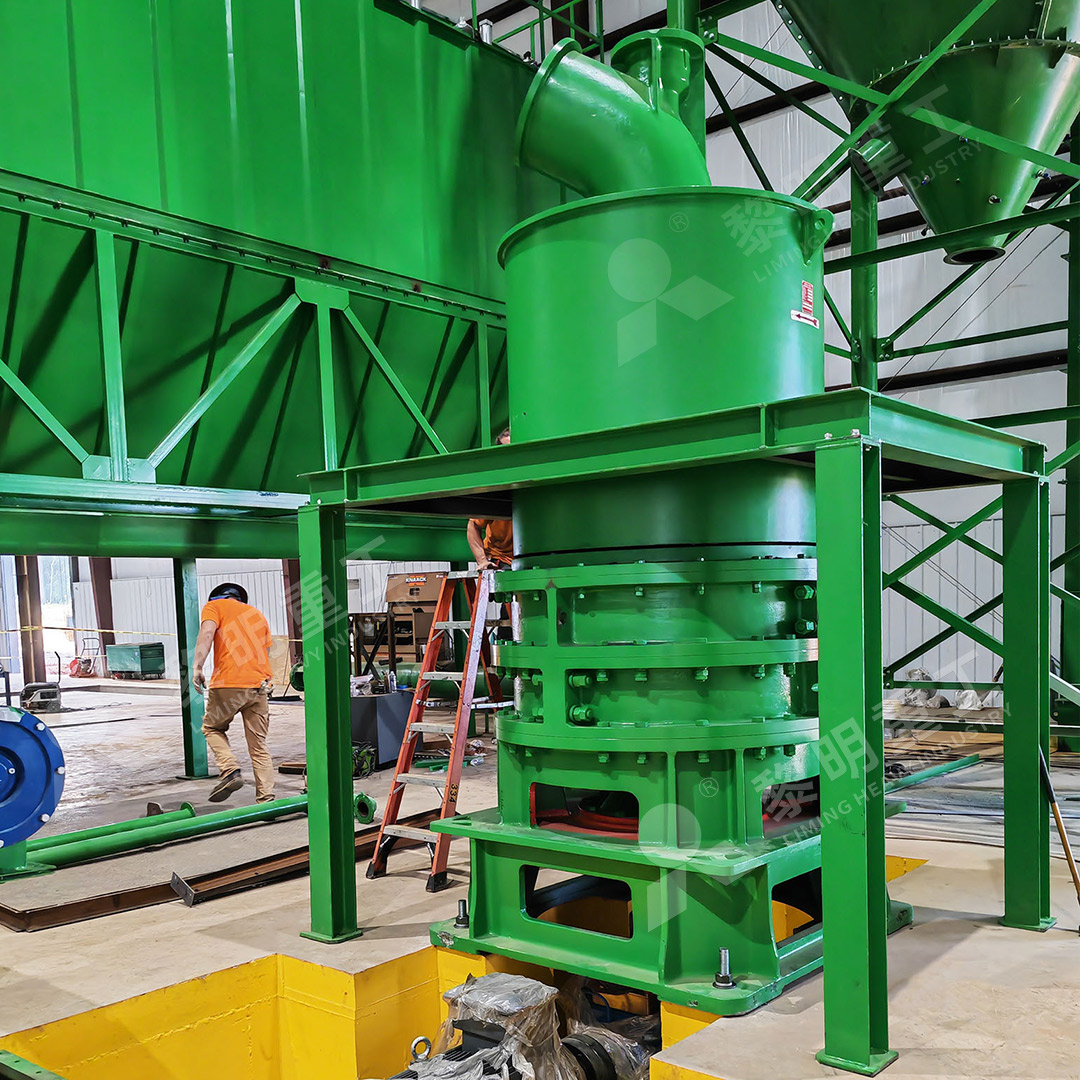
With a capacity of 0.5-25 tph and handling an input size of 0-20mm, it’s a versatile workhorse. Its higher yielding and lower energy consumption—reportedly 40% higher capacity than jet mills and 30% less energy—make it a top contender for specialized applications in chemicals, paint, and cosmetics.
2. Vertical Precision: LUM Ultrafine Vertical Grinding Mill
The LUM Ultrafine Vertical Grinding Mill is another powerhouse from LIMING, integrating grinding, grading, and transporting. It’s known for its higher yielding rate and better quality finished product, thanks to a unique roller shell and lining plate grinding curve designed to prevent repeated grinding. Its multi-head powder separating technology and PLC control system allow for precise adjustments, leading to energy savings of 30%-50%. A standout feature is its double position-limiting technology, which ensures stable operation even under disruptive vibrations.
3. The Industry Workhorse: LM Vertical Grinding Mill
A classic choice for many, the LM Vertical Mill integrates crushing, drying, grinding, classifying, and conveying. It’s a fantastic all-rounder, especially for non-metallic minerals and coal. Its compact design reduces the coverage area by 50% compared to ball mills, and it saves 30%-40% in energy consumption. Its short grinding time results in low iron content in the final product, which is essential for maintaining material whiteness and purity.
4. & 5. European Engineering: MTW-Z & MTW European Mills
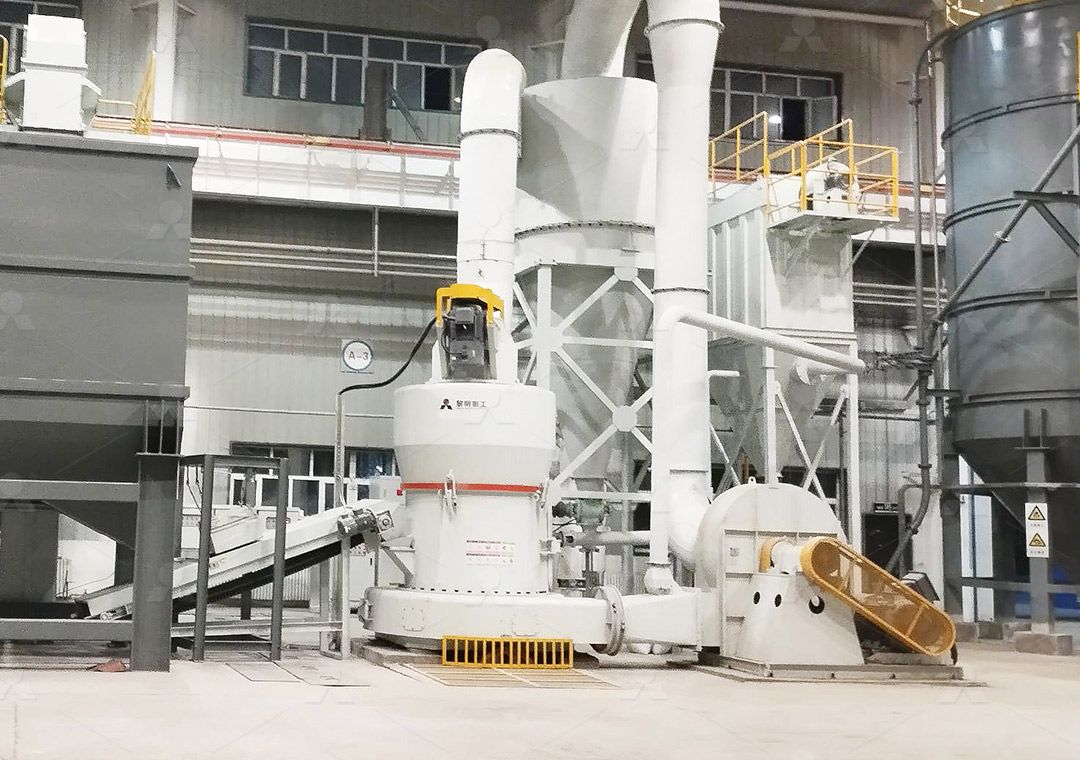
The MTW series, including the MTW-Z and the standard MTW European Trapezium Mill, offer advanced features like dilute oil lubrication for lower maintenance and elastic volute damping structures for smoother operation. They are reliable, efficient, and designed for a variety of materials beyond limestone, including barite and kaolin.
6. The Original: Raymond Mill
The first-generation Raymond Mill from Liming Heavy Industry remains a popular choice for its simplicity, small footprint, and low investment cost. It’s optimized for low consumption and is widely used in desulfurization and metallurgy.
7. The Traditionalist: Ball Mill
The common ball mill is a tried-and-tested solution. Its advantages are lower investment and a simple, safe operation. However, it generally has a larger footprint and higher energy consumption compared to modern vertical and ultrafine mills.
8. & 9. Specialized Solutions: LM Vertical Coal & Slag Mills
These are specialized variants designed for coal and slag grinding, respectively. They excel in their niches, offering high efficiency and integration for specific industrial waste and fuel processing needs.
10. High-Pressure Grinder: TGM Trapezium Mill
This high-pressure mill is designed for high capacity and energy efficiency, employing innovative roller and ring designs to handle materials under 9 Mohs hardness.
Verdict: Which One is Right For You?
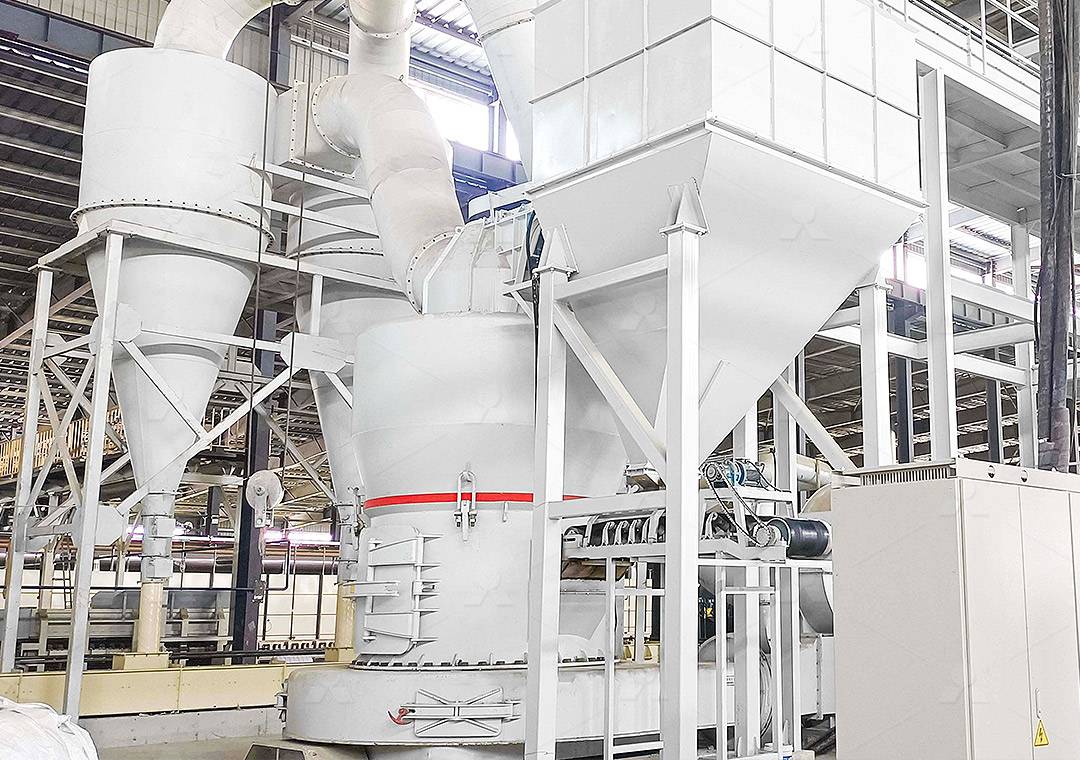
For most limestone grinding applications requiring a balance of fine powder quality, energy efficiency, and operational reliability, the MW Ultrafine Grinding Mill is an exceptional choice. Its design specifically targets the challenges of ultra-fine production while keeping maintenance and environmental impact low. For larger-scale operations needing an integrated solution for drying and grinding, the LM Vertical Grinding Mill remains an industry stalwart. Always consider your required fineness, capacity, and available space to select the perfect mill for your needs.