
Top 10 Limestone Grinding Mill Equipment Manufacturers in 2024
We provide a wide range of mills — including Raymond mill, trapezoidal mill, vertical mill, ultrafine mill, and ball mill, obtained ISO9001 international quality certification, EU CE certification, and Customs Union CU-TR certification. Suitable for processing minerals such as limestone, phosphate, quicklime, kaolin, talc, barite, bentonite, calcium carbonate, dolomite, coal, gypsum, clay, carbon black, slag, cement raw materials, cement clinker, and more.
The discharge range of these mills can be adjusted to meet specific processing needs, typically from 80-400 mesh, 600-3250 mesh, and can achieve the finest particle size of up to 6000 mesh(D50).
If you are looking for a reliable grinding solution to turn stone or minerals into fine powder, please feel free to contact our online customer service.
Top 10 Limestone Grinding Mill Equipment Manufacturers in 2024
The industrial landscape for limestone processing is constantly evolving, driven by demands for higher efficiency, finer powders, and stricter environmental standards. As we move through 2024, selecting the right grinding mill manufacturer is more critical than ever for operational success. This article provides an expert overview of the leading manufacturers and the innovative technologies shaping the market.
The Pursuit of Ultrafine Powder and Operational Excellence
Modern applications in sectors like plastics, paints, and advanced construction materials require limestone powders with exceptional fineness and consistency. This has propelled the development of advanced grinding systems that go beyond traditional milling. Key considerations now include energy consumption per ton, the level of automation, dust control, and the total cost of ownership, which encompasses maintenance and spare part availability.
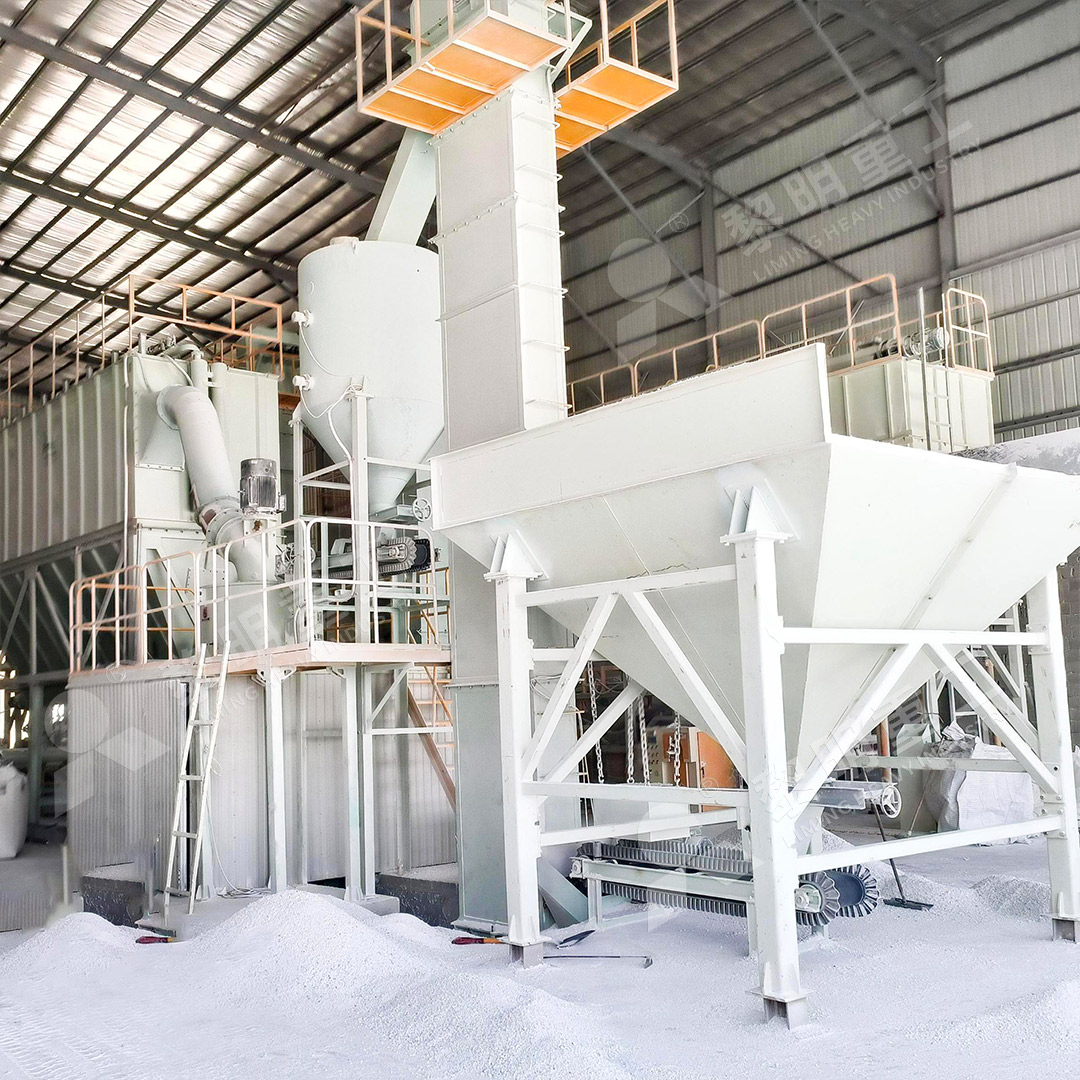
Among the frontrunners in this technological race is LIMING Heavy Industry, a manufacturer known for its robust and innovative solutions. For operations requiring superior fineness, their MW Ultrafine Grinding Mill stands out. This machine is engineered for customers dedicated to producing ultra-fine powder, boasting an impressive adjustable fineness range between 325 and 2500 meshes. A significant design advantage is the absence of rolling bearings and screws within the grinding chamber, which virtually eliminates concerns about bearing failures or machine damage from loose components. Furthermore, its efficient pulse dust collector and muffler system ensure the production process is both dust-free and quiet, aligning with modern environmental protocols.
Vertical Mills: Integrating Efficiency and Compact Design
Vertical grinding mills have gained substantial popularity due to their compact footprint and integrated processes that combine drying, grinding, classifying, and conveying. This all-in-one approach can significantly reduce the overall investment in plant infrastructure.
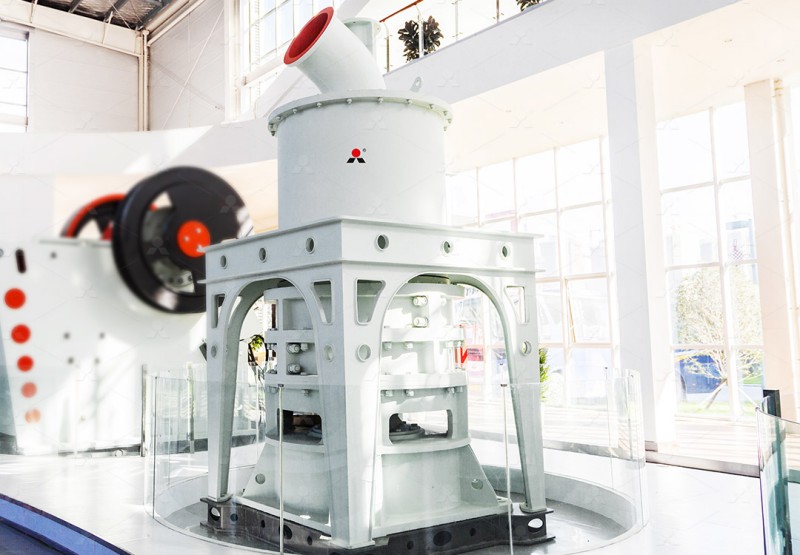
LIMING’s LUM Ultrafine Vertical Grinding Mill exemplifies this trend. Independently designed with advanced grinding roller and powder separating technologies, it offers a higher yielding rate and better product quality. Its unique roller shell and lining plate grinding curve facilitate easier material layer generation, enabling a high rate of finished product in a single pass. A notable feature is the double position-limiting technology, which ensures operational stability by preventing destructive impacts between the grinding roller and millstone, even under disruptive conditions like mine explosions. For maintenance crews, the reversible structure is a game-changer, allowing heavy grinding rollers to be easily moved out of the body for servicing, thereby minimizing costly downtime.
A Look at the Broader Market Leaders
While LIMING offers cutting-edge solutions, the global market includes other established players, each with their strengths. Companies like Metso Outotec and FLSmidth continue to be powerhouses, particularly for large-scale mining and cement applications, offering robust ball mills and vertical roller mills known for their durability and high capacity. For specialized, high-precision applications, German engineering from firms like NETZSCH and Christian Pfeiffer is often sought after, especially their bead mills and classifiers for ultra-fine grinding. Meanwhile, Chinese manufacturers such as SBM and Hongxing Machinery provide competitive options that balance performance and cost-effectiveness, making advanced grinding technology accessible to a wider range of businesses.
Conclusion: Making an Informed Choice
Choosing the right grinding mill manufacturer in 2024 is not just about the initial price tag. It requires a careful analysis of your specific production goals, desired powder characteristics, environmental constraints, and long-term operational costs. Technologies like those found in the MW and LUM series from LIMING highlight the industry’s direction towards intelligent, eco-friendly, and highly efficient milling. Evaluating manufacturers based on their technological innovation, after-sales support, and proven performance in applications similar to yours will be key to a successful investment.

Frequently Asked Questions (FAQ)
What is the primary advantage of a vertical roller mill over a traditional ball mill for limestone?
Vertical roller mills (VRMs) offer significantly higher energy efficiency, often reducing power consumption by 30-50%. They also have a much smaller footprint, integrate drying and grinding processes, and produce a narrower particle size distribution.
How fine can modern limestone grinding mills typically grind?
While standard mills may produce powders in the range of 100-325 mesh, advanced ultrafine mills, such as the MW series, can consistently achieve fineness levels up to 2500 mesh (D97 ≤ 5μm), which is essential for high-value industrial applications.
Why is environmental consideration important in mill selection?
Modern regulations are stringent regarding dust emissions and noise pollution. Equipment with built-in pulse jet dust collectors and noise reduction features, like the MW Ultrafine Mill, not only ensure compliance but also create a safer and more sustainable working environment, which is a priority for responsible businesses in 2024.
What should I look for in terms of maintenance and spare parts?
Opt for manufacturers that guarantee a sufficient supply of original spare parts and offer robust technical support. Designs that simplify maintenance, such as the external lubrication and reversible roller structure of LIMING’s mills, drastically reduce downtime and lower the total cost of ownership.