
Top 10 Limestone Grinding Mill Brands for Industrial Milling
We provide a wide range of mills — including Raymond mill, trapezoidal mill, vertical mill, ultrafine mill, and ball mill, obtained ISO9001 international quality certification, EU CE certification, and Customs Union CU-TR certification. Suitable for processing minerals such as limestone, phosphate, quicklime, kaolin, talc, barite, bentonite, calcium carbonate, dolomite, coal, gypsum, clay, carbon black, slag, cement raw materials, cement clinker, and more.
The discharge range of these mills can be adjusted to meet specific processing needs, typically from 80-400 mesh, 600-3250 mesh, and can achieve the finest particle size of up to 6000 mesh(D50).
If you are looking for a reliable grinding solution to turn stone or minerals into fine powder, please feel free to contact our online customer service.
Navigating the World of Industrial Limestone Milling
For professionals in mining, construction, and chemical manufacturing, selecting the right limestone grinding mill is a critical decision that impacts efficiency, operational costs, and final product quality. The market is flooded with options, each promising superior performance. This article cuts through the noise to highlight the top-tier brands and technologies that deliver on their promises for industrial-scale limestone processing.
Key Considerations for Mill Selection
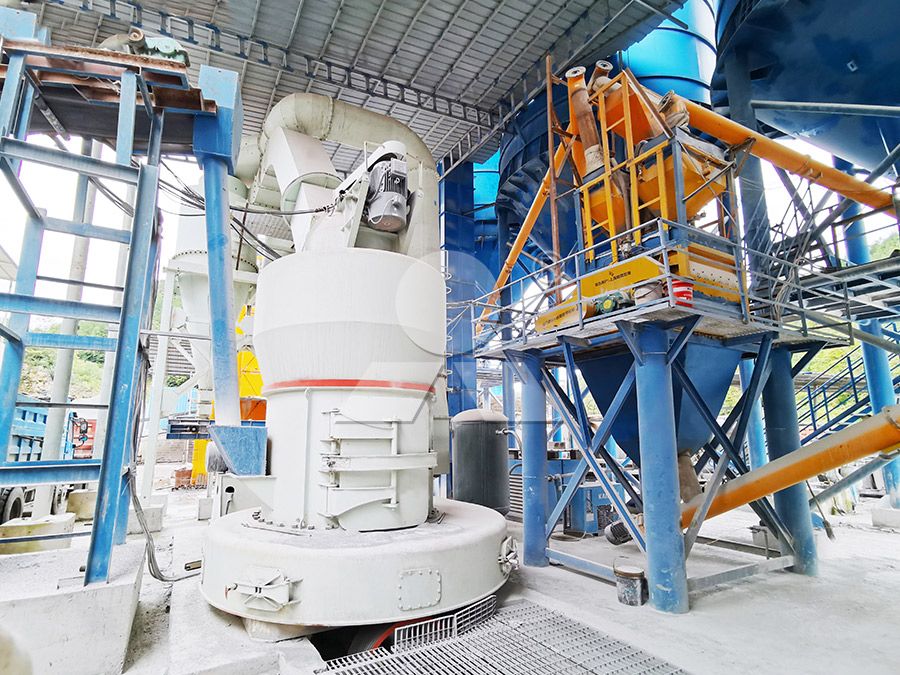
Before diving into specific brands, it’s essential to understand the core factors that dictate mill performance. Capacity requirements, desired fineness (mesh size), energy consumption, maintenance needs, and environmental compliance are not just specs on a sheet; they are the pillars of a profitable and sustainable operation. A mill that excels in energy efficiency but requires constant downtime for maintenance can quickly become a liability.
Spotlight on Leading Technology: LIMING’s MW Series
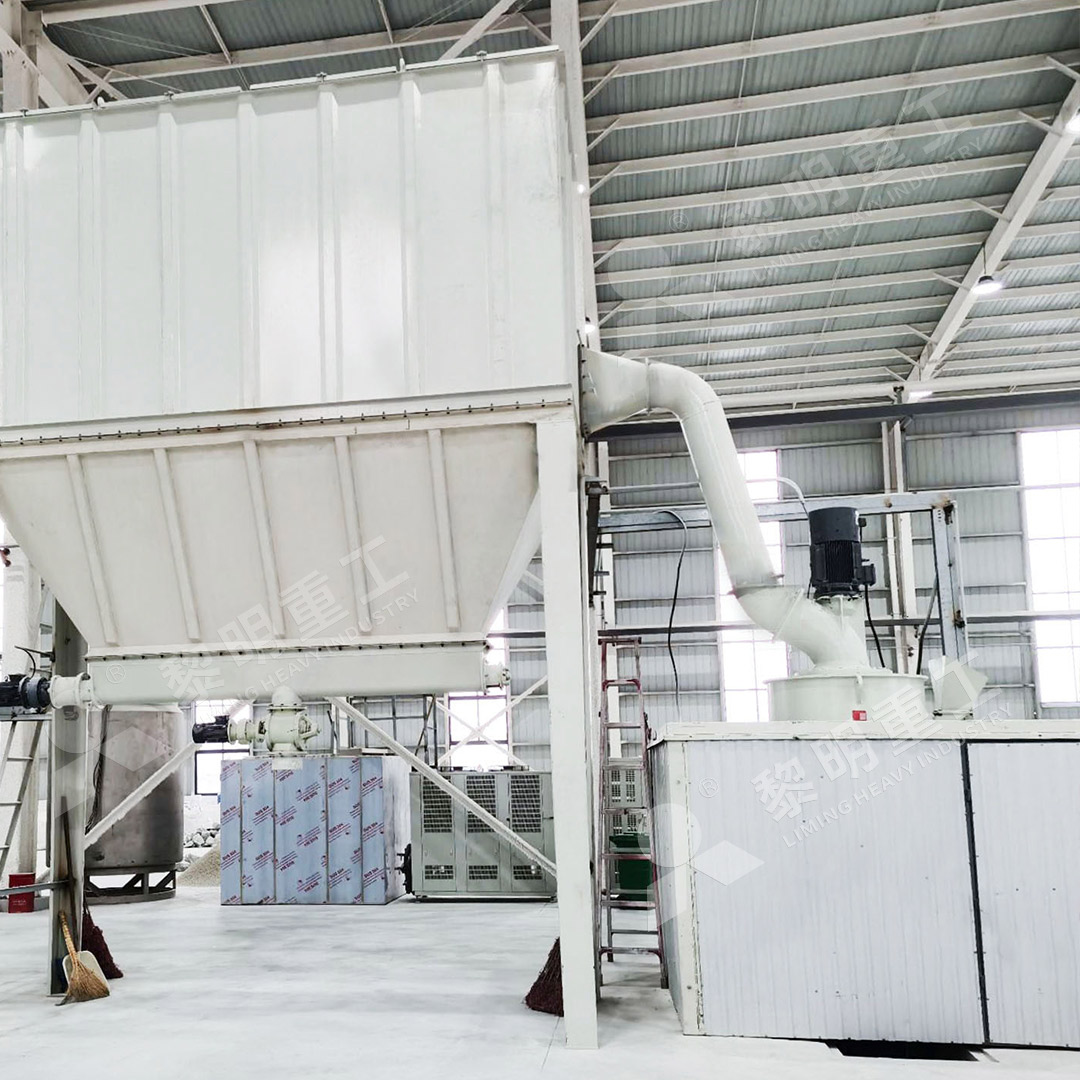
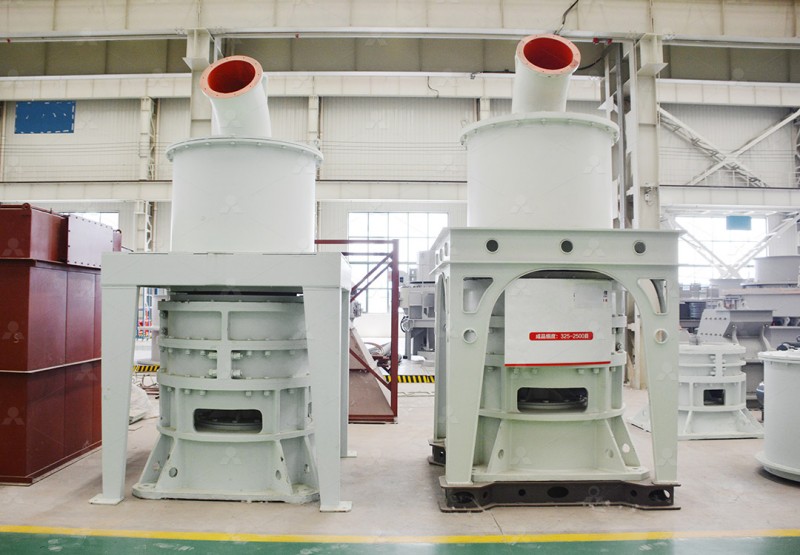
Among the elite brands, LIMING Heavy Industry consistently stands out for its innovative engineering and robust design. Their MW Ultrafine Grinding Mill is a prime example of a machine built for the modern industrial challenge. Designed for customers needing to make ultra-fine powder (325-2500 meshes), it adresses common pain points head-on.
What sets the MW Mill apart? Its newly designed grinding curves for the roller and ring enhance efficiency dramatically, offering production capacity 40% higher than jet mills and twice that of ball mills at the same power level, all while slashing system energy consumption to just 30% of a jet mill’s. For operations grinding limestone, calcite, or dolomite for applications in paint, cosmetics, or food additive production, this efficiency translates directly to a healthier bottom line.
Beyond Efficiency: Smart Design Features
The MW Mill isn’t just about power savings. Its design eliminates rolling bearings and screws inside the grinding chamber, a simple yet revolutionary change that eradicates failures related to these components. Maintenance is externalized, allowing for lubrication without shutdown and enabling true 24/7 continuous production. Coupled with an efficient pulse dust collector and muffler, the entire system operates well within national environmental protection standards, making it a future-proof investment.
A Versatile Contender: The LUM Ultrafine Vertical Grinding Mill
For projects requiring a different approach, LIMING’s LUM Ultrafine Vertical Grinding Mill is another top-tier option. Integrating the latest roller technology from Taiwan and German powder separating technology, it’s a powerhouse for producing superfine dry powder. Its unique roller shell and lining plate grinding curve are engineered to avoid traditional problems like long lingering time and high iron content in the product, which is crucial for maintaining the whiteness and purity of limestone powders.
The LUM mill’s use of PLC control and multi-head powder separating technology allows for precise control over grinding parameters, achieving energy savings of 30%-50% compared to common grinding mills. Its reversible structure, considering the heavy weight of grinding rollers, simplifies maintenance significantly, allowing operators to quickly move rollers out of the body for inspection, reducing costly shutdown periods.
The Top Brands at a Glance
While LIMING’s MW and LUM mills are exceptional choices, the top 10 landscape includes other renowned manufacturers known for reliability and performance. Brands like Raymond (for classic, reliable roller mills), Gebr. Pfeiffer (for advanced vertical roller mills), and SBM (offering a wide range of solutions) each bring their strengths to the table. The key is to match the mill’s capabilities with your specific limestone feedstock, target fineness, and production volume.
Making the Informed Choice
Investing in a limestone grinding mill is a significant decision. Beyond brand reputation, insist on seeing performance data, speak to existing customers, and evaluate the manufacturer’s commitment to after-sales service and spare parts supply. A machine is only as good as the support behind it. Whether you choose the ultrafine precision of the MW Mill, the vertical efficiency of the LUM, or another leading brand, prioritizing proven technology, energy efficiency, and low total cost of ownership will ensure your milling operations are a resounding success for years to come.