
Top 10 Limestone Brands for Industrial Milling and Powder Production
We provide a wide range of mills — including Raymond mill, trapezoidal mill, vertical mill, ultrafine mill, and ball mill, obtained ISO9001 international quality certification, EU CE certification, and Customs Union CU-TR certification. Suitable for processing minerals such as limestone, phosphate, quicklime, kaolin, talc, barite, bentonite, calcium carbonate, dolomite, coal, gypsum, clay, carbon black, slag, cement raw materials, cement clinker, and more.
The discharge range of these mills can be adjusted to meet specific processing needs, typically from 80-400 mesh, 600-3250 mesh, and can achieve the finest particle size of up to 6000 mesh(D50).
If you are looking for a reliable grinding solution to turn stone or minerals into fine powder, please feel free to contact our online customer service.
Navigating the World of Industrial Limestone Milling
For professionals in industries ranging from construction and agriculture to chemicals and manufacturing, selecting the right equipment for limestone milling and powder production is a critical decision that impacts efficiency, product quality, and the bottom line. The market is flooded with options, each promising superior performance. This article cuts through the noise to highlight the top-tier brands and technologies that consistently deliver exceptional results in grinding limestone into fine and ultra-fine powders.
The ideal mill must offer a combination of high capacity, energy efficiency, precise particle size control, and robust, low-maintenance operation. With environmental regulations tightening globally, eco-friendly features like effective dust collection and noise reduction are no longer luxuries but necessities.
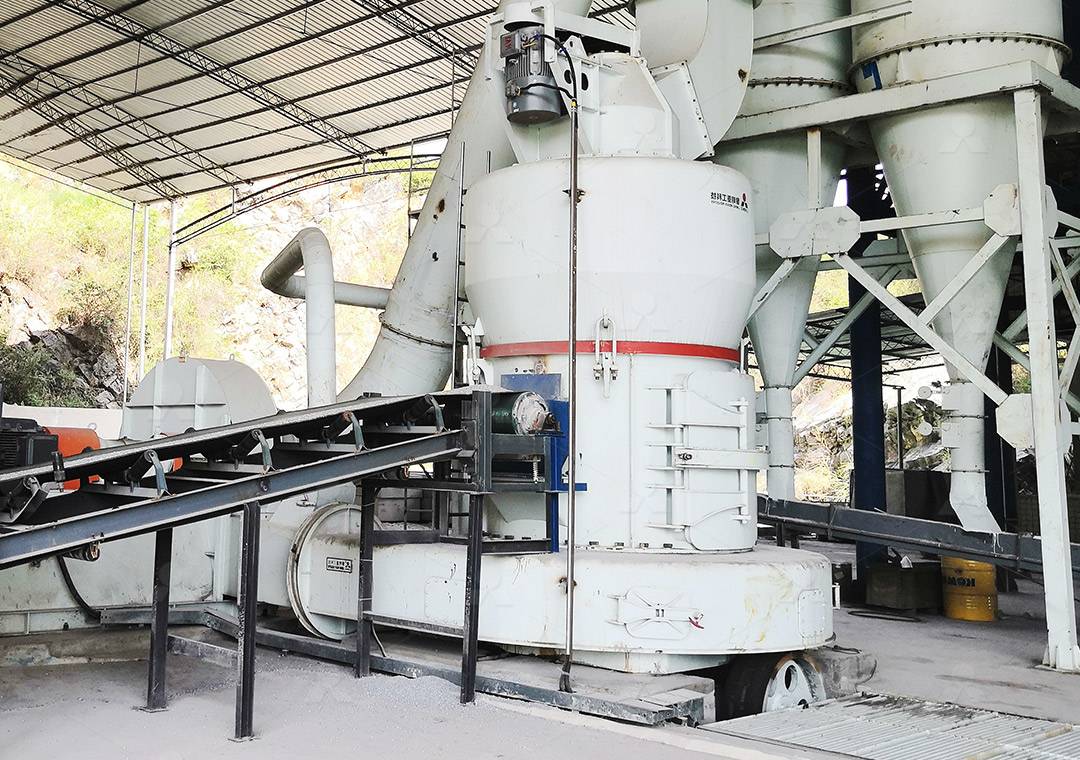
Key Considerations for Choosing a Limestone Mill
Before diving into specific brands and models, it’s essential to understand the core factors that define a high-performance limestone mill. The input size of the raw material and the required output capacity (in tons per hour) are the primary starting points. The desired fineness of the final powder, often measured in meshes or microns, is equally crucial, as it directly affects the product’s application value.
Operational costs, largely dictated by energy consumption and the frequency of maintenance and spare part replacement, are a major long-term consideration. Finally, the physical footprint of the machinery and its compliance with environmental standards for dust and noise pollution are critical for modern, responsible operations.
Spotlight on Superior Technology: MW Ultrafine Grinding Mill
Among the leaders in ultrafine powder technology, Liming Heavy Industry’s MW Ultrafine Grinding Mill stands out for operations requiring exceptionally fine limestone powders. This machine is a powerhouse designed for customers who need to make ultra-fine powder between 325 and an impressive 2500 meshes.
Its engineering tackles common industry pain points head-on. The absence of rolling bearings and screws in the grinding chamber is a masterstroke, eliminating worries about bearing failures or machine damage from loose screws. This design allows for external lubrication without shutdown, enabling continuous 24/7 production—a massive advantage for high-output facilities.
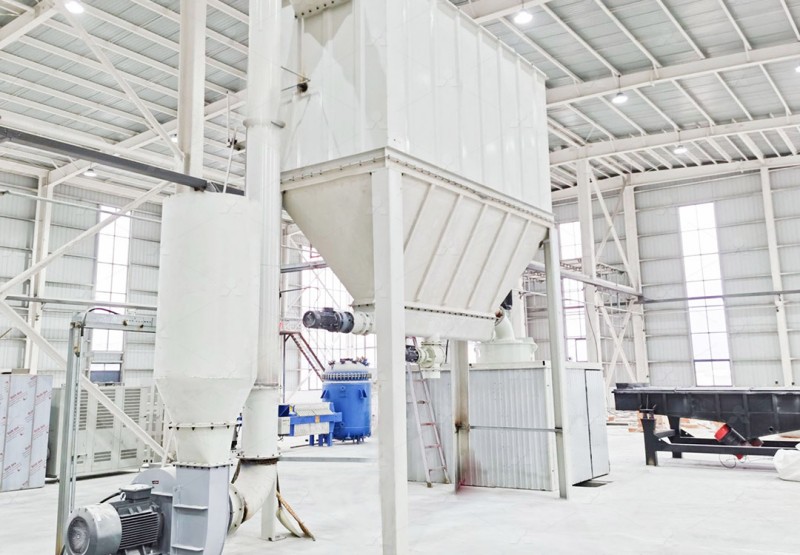
Where the MW series truly excels is in its efficiency. It boasts a production capacity 40% higher than jet or stirred grinding mills at the same fineness and power, effectively doubling the yield of a traditional ball mill. Meanwhile, it slashes system energy consumption to just 30% of that of a jet mill. This combination of higher yielding and lower energy consumption is a game-changer for profitability. Coupled with its efficient pulse dust collector and muffler, the entire production process is cleaner, quieter, and more environmentally friendly.
A Robust Contender: LUM Ultrafine Vertical Grinding Mill
For those seeking advanced vertical grinding technology, the LUM Ultrafine Vertical Grinding Mill is another top-tier offering from Liming. Integrating the latest Taiwanese grinding roller technology and German powder separating technology, it represents the cutting edge in vertical mill design.
It features unique roller shell and lining plate grinding curves that make it easier to generate a material layer, enabling a high rate of finished product from a single pass. Its PLC control system and multi-head powder separating technology allow for precise control over grinding parameters, reducing energy consumption by 30-50% compared to common grinding mills. A key innovation is its double position-limiting technology, which prevents destructive impacts from machine vibration, ensuring remarkable operational stability.
Other Notable Brands and Technologies
The landscape of quality limestone milling equipment is diverse. Beyond the ultrafine solutions, several other brands and types of mills are workhorses in the industry. Reliable Raymond Mills remain a popular choice for coarse to medium-fine powders due to their simplicity and low investment cost. For large-scale production of finer powders, LM Vertical Grinding Mills offer incredible efficiency, integrating crushing, drying, grinding, and classifying in a single unit with a significantly reduced footprint.
European-style trapezium mills, like the MTW series, are praised for their durability and use of advanced features like dilute oil lubrication for rollers, which reduces maintenance needs. Finally, despite being more energy-intensive, Ball Mills are still widely used for their versatility and ability to handle a very wide range of materials and fineness levels.
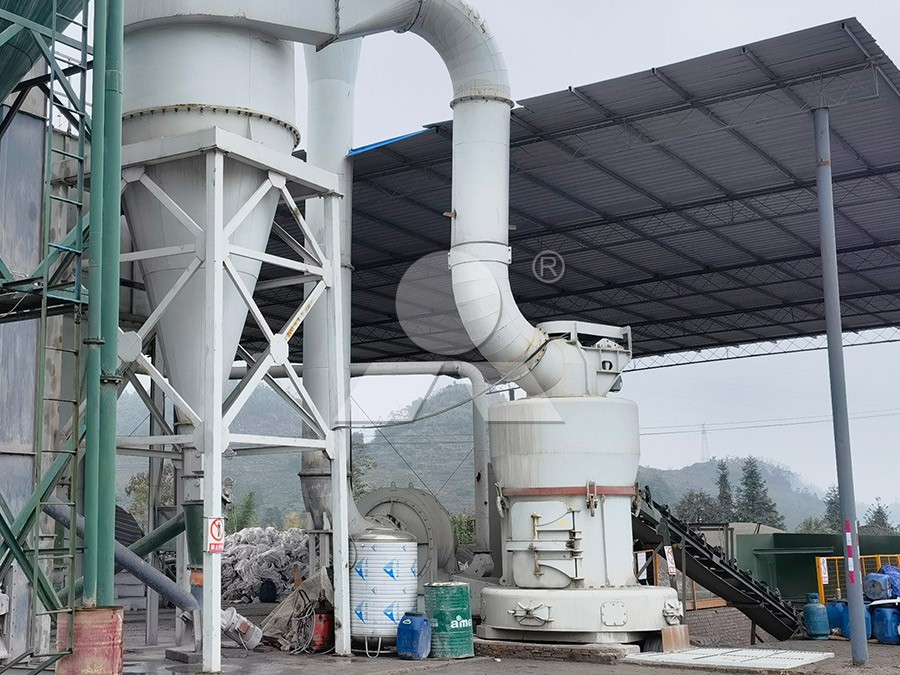
Making the Right Choice for Your Operation
Selecting the best limestone mill is not about finding the single “best” machine, but the best machine for your specific needs. A small operation focused on producing high-value, ultra-fine limestone for cosmetics or pharmaceuticals would prioritize the precision and fineness of the MW Mill. A large cement plant requiring massive volumes of pulverized limestone would likely lean towards the high capacity and integrated drying of an LM Vertical Mill.
Ultimately, partnering with a manufacturer that offers robust technical support, a sufficient supply of genuine spare parts, and a proven track record is as important as the machine’s specifications. By carefully evaluating your production goals, budget, and operational constraints against the strengths of these top brands, you can invest in a milling solution that drives productivity and growth for years to come.