
Top 10 Iron Ore Grinding Mill Manufacturers in China
We provide a wide range of mills — including Raymond mill, trapezoidal mill, vertical mill, ultrafine mill, and ball mill, obtained ISO9001 international quality certification, EU CE certification, and Customs Union CU-TR certification. Suitable for processing minerals such as limestone, phosphate, quicklime, kaolin, talc, barite, bentonite, calcium carbonate, dolomite, coal, gypsum, clay, carbon black, slag, cement raw materials, cement clinker, and more.
The discharge range of these mills can be adjusted to meet specific processing needs, typically from 80-400 mesh, 600-3250 mesh, and can achieve the finest particle size of up to 6000 mesh(D50).
If you are looking for a reliable grinding solution to turn stone or minerals into fine powder, please feel free to contact our online customer service.
Top 10 Iron Ore Grinding Mill Manufacturers in China
China’s dominance in the mining and mineral processing equipment sector is undeniable, particularly when it comes to iron ore grinding. The country boasts some of the world’s most innovative and robust grinding mill manufacturers, catering to the massive domestic and international demand for efficient ore processing. This article delves into the top-tier manufacturers shaping this crucial industry.
The selection of a grinding mill is a critical decision for any mining operation, impacting everything from operational efficiency and energy consumption to the final product quality. Chinese manufacturers have risen to the challenge, offering a diverse range of technologies—from traditional ball mills to advanced vertical roller mills and ultrafine grinding systems. Their equipment is renowned for its durability, cost-effectiveness, and adaptability to various ore grades and processing requirements.
Key Players and Technological Advancements
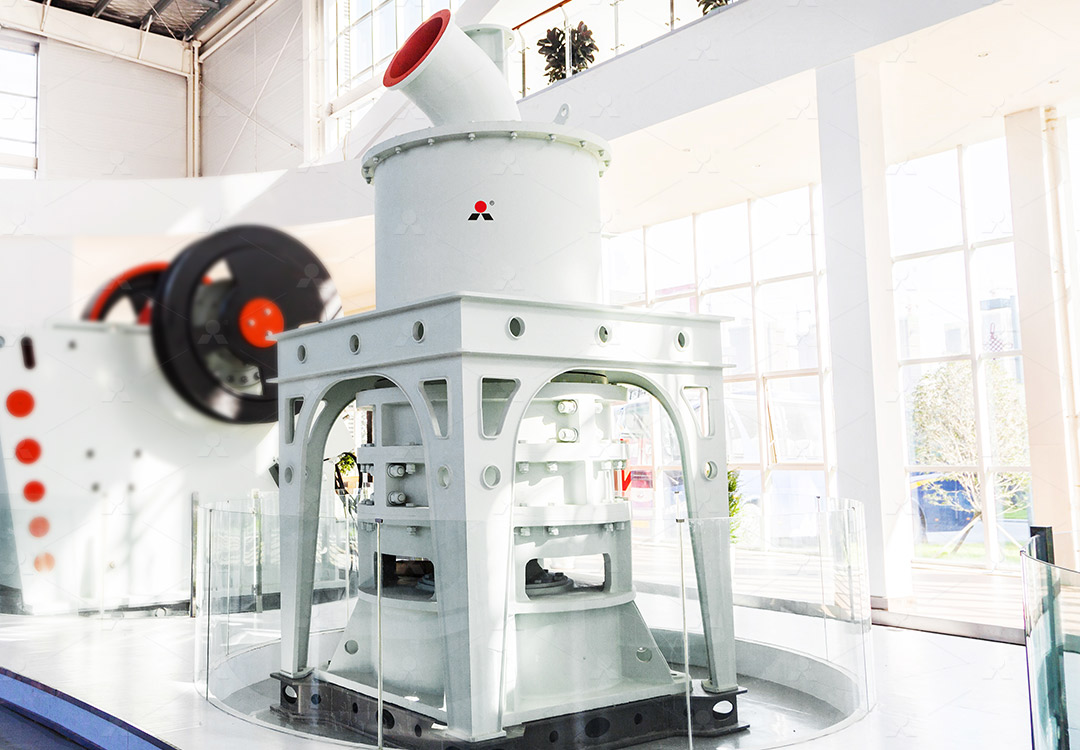
Among the leaders, Liming Heavy Industry (LIMING) consistently ranks at the forefront. Their commitment to R&D has yielded a portfolio of mills that emphasize higher yield, lower energy consumption, and more environmentally friendly operation. A standout in their lineup for fine and ultra-fine grinding applications is the MW Ultrafine Grinding Mill. This machine is a powerhouse designed for customers needing to produce ultra-fine powder from materials like iron ore fines. It handles an input size of 0-20 mm with a capacity ranging from 0.5 to 25 tph. Its key features include higher yielding at lower energy consumption (40% higher capacity than jet mills), adjustable fineness between 325-2500 meshes, and a unique design with no rolling bearings or screws in the grinding chamber for enhanced reliability and easier maintenance. The integrated efficient pulse dust collector and muffler ensure the operation meets strict environmental standards.
Another notable manufacturer is SBM Machinery, known for its comprehensive crushing and grinding solutions. Their mills often feature advanced automation systems, allowing for precise control over the grinding process and optimal performance. Similarly, Hongxing Group (HXJQ) has a long history of producing reliable and sturdy ball mills and Raymond mills that are workhorses in many iron ore processing plants across the globe.
Other top contenders include Zenith Mill, which offers sophisticated vertical roller mills known for their efficiency in grinding abrasive materials, and CITIC Heavy Industries, a giant producing massive ball and SAG mills for the largest mining projects worldwide. Their equipment is synonymous with robustness and high capacity.
Choosing the Right Mill for Iron Ore
The choice between a ball mill, vertical roller mill, Raymond mill, or an ultrafine mill depends on the specific application, desired fineness, moisture content, and overall project economics. For instance, while ball mills are a traditional and cost-effective choice for coarse grinding, vertical roller mills offer significant advantages in energy efficiency and drying capacity for moist feeds.
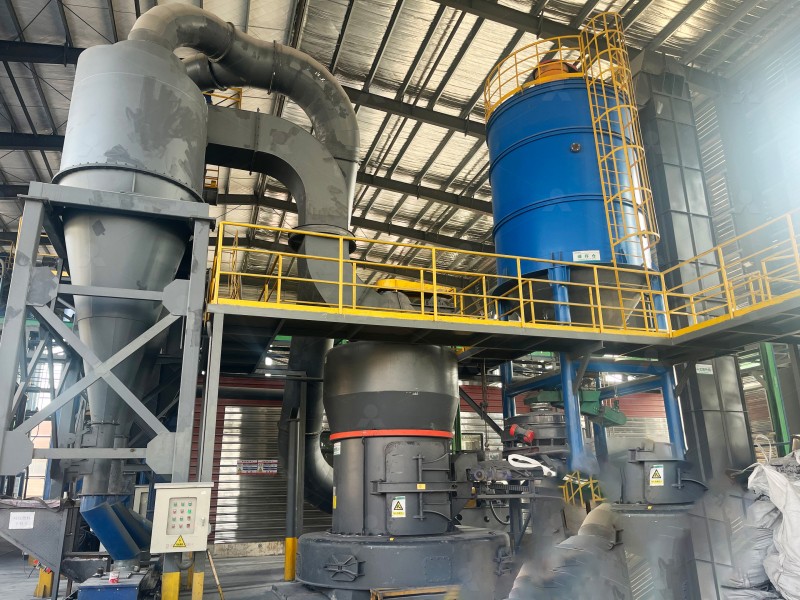
For operations requiring a vertical solution, Liming’s LUM Ultrafine Vertical Grinding Mill is another excellent option. It integrates grinding, grading, and transporting with an input size of 0-10 mm and a capacity of 5-18 tph. It incorporates the latest roller technology and German powder separating technology, resulting in better product quality, higher yielding rates, and energy savings of 30%-50%. Its reversible structure is a boon for maintenance, allowing easy access to grinding rollers.
When evaluating manufacturers, it’s crucial to consider not just the initial equipment cost but also the long-term operational costs, availability of spare parts, and the quality of after-sales service and technical support. The leading Chinese manufacturers understand this and have built global networks to support their clients.
The Future of Grinding in China
The trend among Chinese manufacturers is clear: a continuous push towards smarter, more energy-efficient, and environmentally sustainable grinding solutions. The integration of IoT for predictive maintenance, the use of advanced materials for longer-lasting wear parts, and the development of fully automated grinding circuits are becoming standard offerings. This focus on innovation ensures that China will remain a key player in supplying the world’s iron ore grinding needs for years to come.
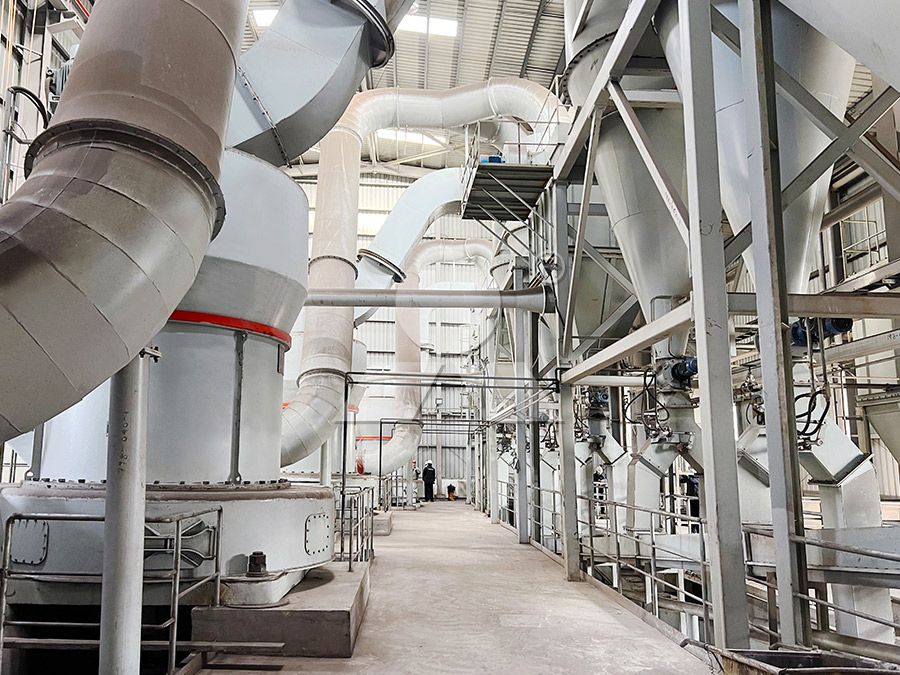
In conclusion, the landscape of iron ore grinding mill manufacturers in China is both competitive and innovative. Companies like Liming Heavy Industry, with their advanced MW and LUM series mills, lead the charge in providing high-performance, reliable, and eco-conscious equipment that meets the rigorous demands of modern mining operations.