
Top 10 Industrial Grinder Machine Manufacturers in the UK
We provide a wide range of mills — including Raymond mill, trapezoidal mill, vertical mill, ultrafine mill, and ball mill, obtained ISO9001 international quality certification, EU CE certification, and Customs Union CU-TR certification. Suitable for processing minerals such as limestone, phosphate, quicklime, kaolin, talc, barite, bentonite, calcium carbonate, dolomite, coal, gypsum, clay, carbon black, slag, cement raw materials, cement clinker, and more.
The discharge range of these mills can be adjusted to meet specific processing needs, typically from 80-400 mesh, 600-3250 mesh, and can achieve the finest particle size of up to 6000 mesh(D50).
If you are looking for a reliable grinding solution to turn stone or minerals into fine powder, please feel free to contact our online customer service.
Navigating the UK’s Industrial Grinding Landscape
The United Kingdom has long been a hub for industrial innovation, and its manufacturing sector for grinding machinery is no exception. For professionals in mining, construction, and chemical processing, selecting the right grinding equipment is paramount to operational efficiency, cost management, and product quality. The market is populated by a mix of established global players and specialised domestic firms, each offering unique technological advantages. This article explores the leading manufacturers shaping the industry and highlights key considerations for making an informed investment.
Defining Excellence in Grinding Technology
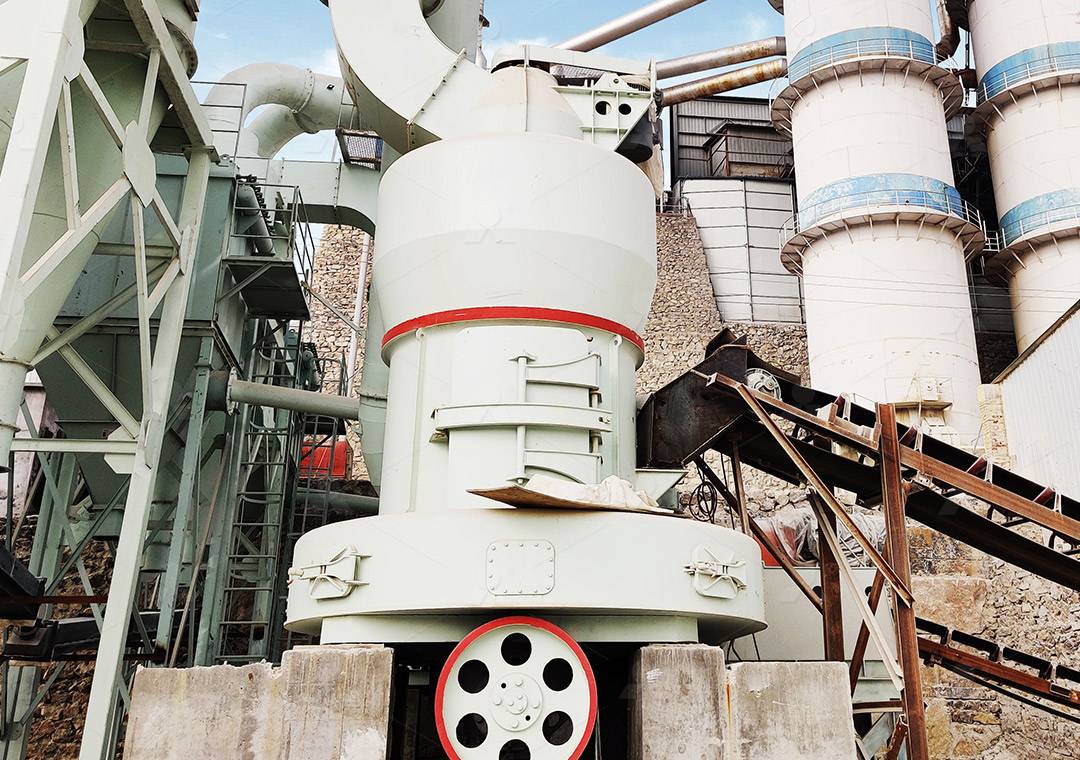
What separates a top-tier manufacturer from the rest? It’s a combination of robust engineering, energy efficiency, after-sales support, and adaptability to various materials. Leading UK-based and international suppliers operating in the region have invested heavily in R&D to develop mills that offer higher yields with lower energy consumption. Key trends include the move towards fully automated, digitally controlled systems and a strong emphasis on environmental compliance, reducing dust and noise pollution.
A Spotlight on Advanced Ultrafine Solutions
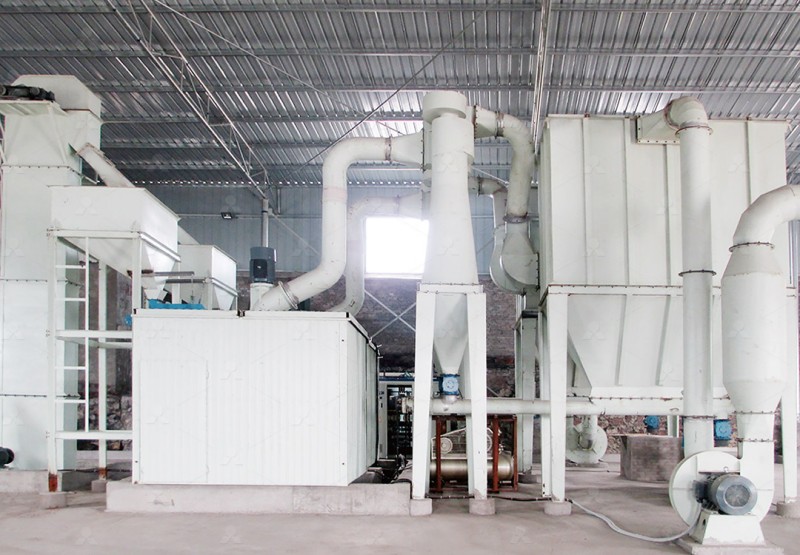
For operations requiring exceptionally fine powders, ultrafine grinding mills are indispensable. In this segment, the MW Ultrafine Grinding Mill stands out for its remarkable precision and eco-friendly operation. Designed for customers who need to make ultra-fine powder from materials like limestone, calcite, dolomite, and gypsum, this machine is a workhorse. With an input size of 0-20 mm and a capacity ranging from 0.5 to 25 tons per hour, it caters to a wide spectrum of production needs. A significant feature is its higher yielding and lower energy consumption; it boasts a production capacity 40% higher than jet mills while using only 30% of the energy. Its cage-type powder selector, incorporating German technology, allows for adjustable fineness between 325 and 2500 meshes, ensuring exceptional product quality for industries from cosmetics to food additives.
The Vertical Grinding Advantage
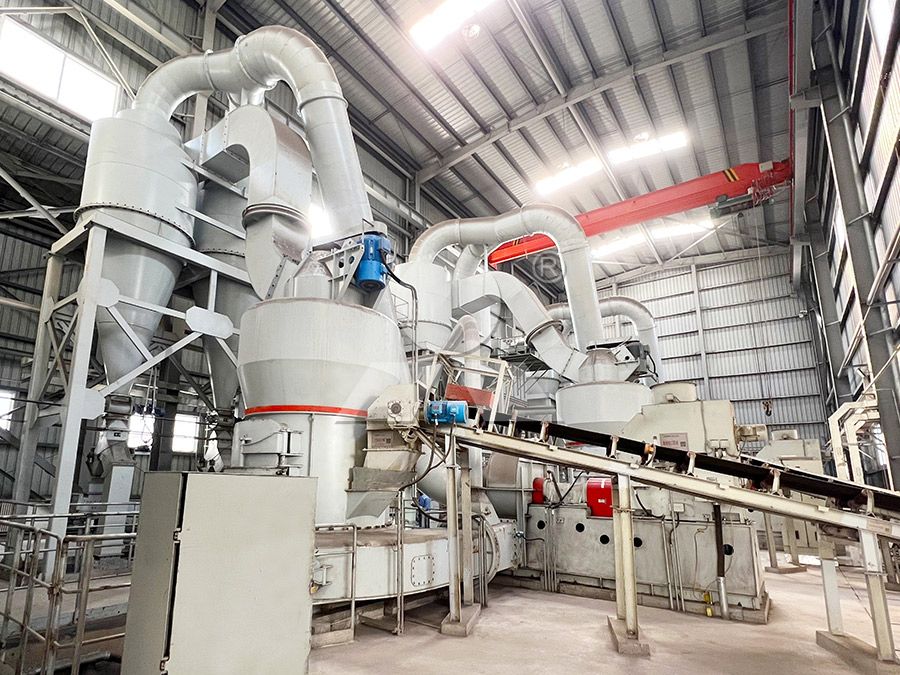
Another notable innovation comes in the form of vertical grinding mills, which integrate multiple processes into a single, compact unit. The LUM Ultrafine Vertical Grinding Mill is a prime example, integrating grinding, grading, and transporting. With an input size of 0-10 mm and a capacity of 5-18 tph, it is ideal for superfine dry powder of non-metal ores. Its design avoids traditional problems like long lingering time and high iron content, resulting in better whiteness and cleanliness of finished products. The mill’s more energy-saving multi-head powder separating technology and double position-limiting technology make operation both economical and remarkably stable, a crucial factor for continuous 24/7 production environments.
Frequently Asked Questions (FAQ)
What is the primary benefit of an ultrafine grinding mill?
Ultrafine grinding mills are engineered to produce powders with a very fine and consistent particle size, which is critical for product performance in industries like pharmaceuticals, paints, and advanced ceramics. They offer superior control over fineness, leading to higher-value end products.
How important is energy efficiency when selecting a grinder?
Extremely important. Energy consumption is one of the largest operational costs in grinding. Modern mills designed with efficiency in mind, such as those featuring advanced powder separators and optimised grinding curves, can reduce energy use by 30-50%, offering a rapid return on investment.
What should I look for in after-sales support?
Choose a manufacturer that guarantees a sufficient supply of original spare parts and provides comprehensive technical services. Worry-free operation depends on reliable support to minimise downtime and ensure the long-term performance of your equipment.
Are these grinding mills suitable for environmentally sensitive areas?
Yes, many contemporary models are designed with environmental protection as a core principle. Features like efficient pulse dust collectors and integrated mufflers ensure that operations meet strict national environmental standards for dust and noise emissions.