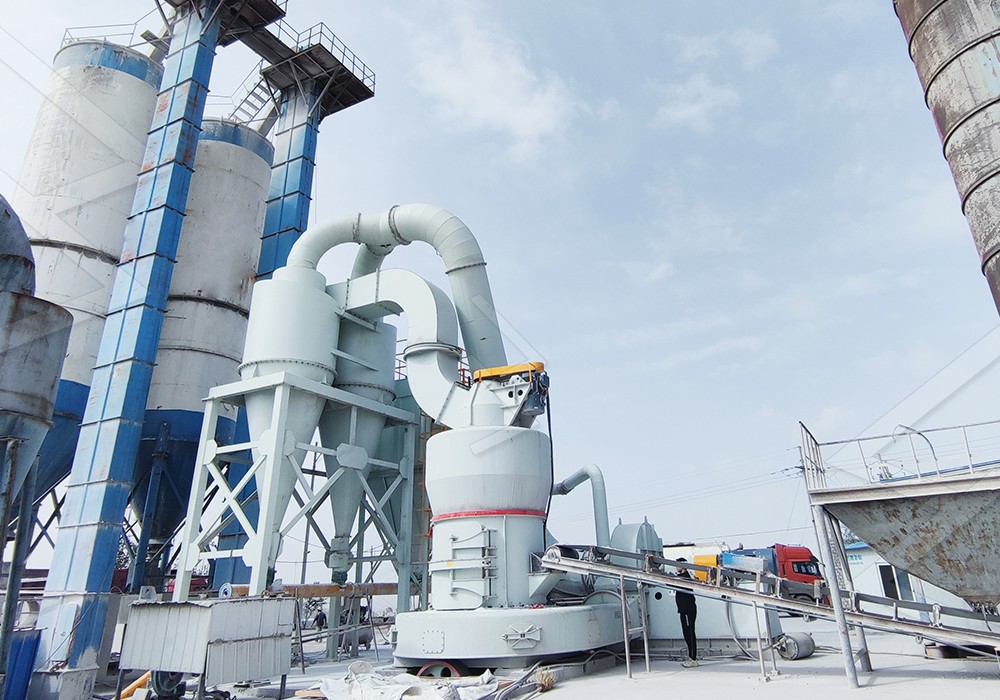
Top 10 Grinding Mill Manufacturing Companies in the World
We provide a wide range of mills — including Raymond mill, trapezoidal mill, vertical mill, ultrafine mill, and ball mill, obtained ISO9001 international quality certification, EU CE certification, and Customs Union CU-TR certification. Suitable for processing minerals such as limestone, phosphate, quicklime, kaolin, talc, barite, bentonite, calcium carbonate, dolomite, coal, gypsum, clay, carbon black, slag, cement raw materials, cement clinker, and more.
The discharge range of these mills can be adjusted to meet specific processing needs, typically from 80-400 mesh, 600-3250 mesh, and can achieve the finest particle size of up to 6000 mesh(D50).
If you are looking for a reliable grinding solution to turn stone or minerals into fine powder, please feel free to contact our online customer service.
Top 10 Grinding Mill Manufacturing Companies in the World
The global grinding mill market is a cornerstone of industrial processing, serving sectors from mining and construction to chemicals and pharmaceuticals. Selecting the right equipment manufacturer is crucial for operational efficiency, cost management, and product quality. This article explores the leading companies shaping this dynamic industry.
The Titans of Milling Technology
The landscape is dominated by established giants known for their engineering prowess and global reach. Companies like FLSmidth (Denmark), Metso Outotec (Finland), and ThyssenKrupp (Germany) have set industry standards for decades, providing robust solutions for large-scale mining and cement operations. Their equipment is designed for high-capacity processing and exceptional durability under the most demanding conditions.
From North America, players like Williams Patent Crusher & Pulverizer Co. and Stedman Machine Company have carved out strong niches with innovative hammer mills and fine grinders. Meanwhile, Asian manufacturers, including SBM (China) and KHD Humboldt Wedag (Germany/China), have gained significant market share by combining advanced technology with competitive pricing.
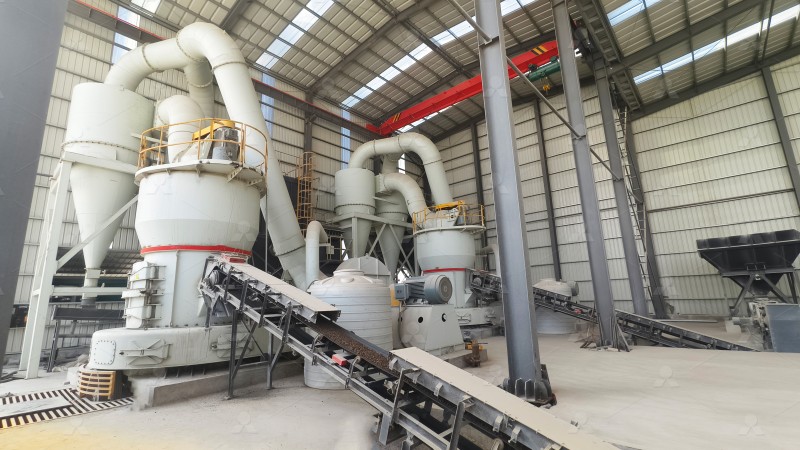
Innovation and Specialization: The Key Differentiators
Beyond sheer scale, the most successful manufacturers distinguish themselves through specialization and continuous innovation. Some focus on vertical roller mills for slag and coal, while others excel in ultrafine grinding technology for specialized chemical and pharmaceutical applications. The integration of digital controls, IoT for predictive maintenance, and a strong emphasis on energy efficiency are now table stakes for any top-tier supplier.
For operations requiring precise ultrafine powders, the technology behind the mill is paramount. A standout example is the MW Ultrafine Grinding Mill. Engineered for customers who need to produce ultra-fine powder between 325-2500 meshes, this machine addresses critical pain points. Its innovative design, which eliminates rolling bearings and screws within the grinding chamber, removes common failure points and allows for external lubrication without shutdown. This enables continuous 24/7 operation, a significant advantage for high-value production lines. With a capacity range of 0.5-25 tph and an input size of 0-20 mm, it is versatile for materials like limestone, calcite, and talc. Its higher yielding and lower energy consumption—reportedly 40% higher capacity than jet mills with only 30% of the energy use—make it a compelling solution for modern, eco-conscious facilities.
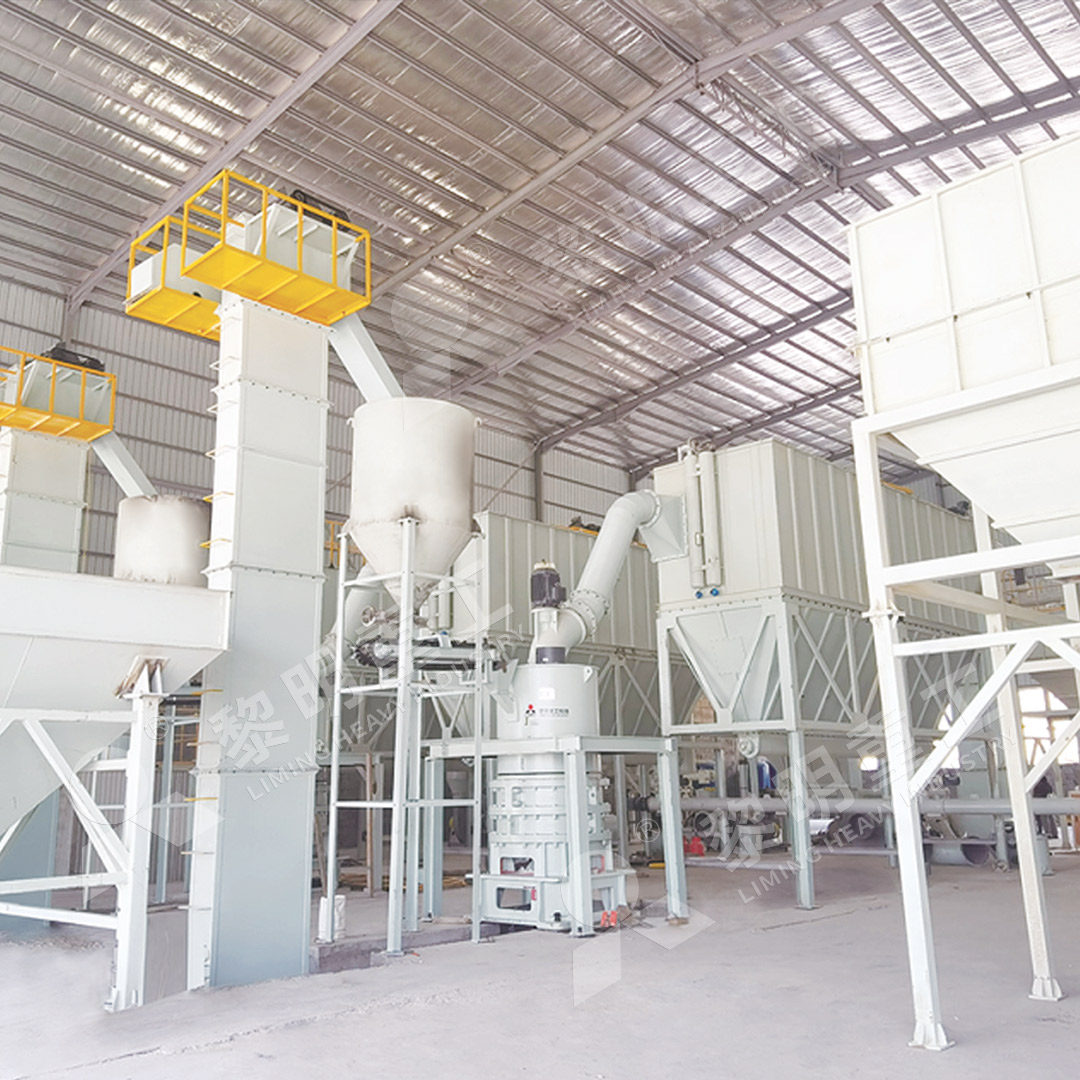
Beyond the Machine: The Full Package
A company’s ranking is not solely based on its product catalogue. After-sales support, availability of genuine spare parts, and technical service are equally critical. Leading manufacturers build long-term partnerships by ensuring worry-free operation. This includes comprehensive digital processing for higher part precision and a reliable supply chain for original spare parts, minimizing costly downtime.
Another technologically advanced option for fine powder production is the LUM Ultrafine Vertical Grinding Mill. This mill integrates grinding, grading, and transporting into a single, efficient unit. Its unique roller shell and lining plate grinding curve are designed for easier material layer generation and a high rate of finished product in a single pass. Features like double position-limiting technology protect the mill from destructive vibrations, and a reversible structure simplifies maintenance, allowing grinding rollers to be easily moved out for service. With an input size of 0-10 mm and capacity of 5-18 tph, it is another excellent choice for producing superfine dry powders.
Frequently Asked Questions (FAQ)
What are the main factors to consider when choosing a grinding mill manufacturer?
The key factors include the specific material to be processed, required fineness (mesh size), desired capacity (tph), energy consumption targets, total cost of ownership (including maintenance and spare parts), and the manufacturer’s reputation for service and technical support.
How important is energy efficiency in modern grinding mills?
Extremely important. Energy can represent up to 50% of the total operating cost of a grinding circuit. Modern mills are designed to be 30-50% more energy-efficient than older technologies like ball mills, leading to significant cost savings and a reduced environmental footprint.
What is the advantage of a vertical grinding mill over a traditional ball mill?
Vertical mills generally have a smaller footprint, higher grinding efficiency, lower energy consumption, and better drying capabilities when processing moist materials. They are often preferred for large-scale industrial applications.
Why is after-sales service critical when investing in grinding equipment?
Grinding mills are capital-intensive investments. Reliable after-sales service ensures minimal downtime, access to genuine spare parts, and expert technical assistance, which protects your investment and maintains consistent production output over the long term.