
Top 10 Giant Industrial Crusher, Mill & Grinding Machine Images
We provide a wide range of mills — including Raymond mill, trapezoidal mill, vertical mill, ultrafine mill, and ball mill, obtained ISO9001 international quality certification, EU CE certification, and Customs Union CU-TR certification. Suitable for processing minerals such as limestone, phosphate, quicklime, kaolin, talc, barite, bentonite, calcium carbonate, dolomite, coal, gypsum, clay, carbon black, slag, cement raw materials, cement clinker, and more.
The discharge range of these mills can be adjusted to meet specific processing needs, typically from 80-400 mesh, 600-3250 mesh, and can achieve the finest particle size of up to 6000 mesh(D50).
If you are looking for a reliable grinding solution to turn stone or minerals into fine powder, please feel free to contact our online customer service.
Top 10 Giant Industrial Crusher, Mill & Grinding Machine Images
Industrial grinding and crushing machinery represents the backbone of modern material processing across countless sectors. From mining and construction to chemical production and power generation, these mechanical titans transform raw, bulky materials into precisely calibrated powders and aggregates. This visual and technical exploration showcases ten monumental machines that define efficiency, durability, and raw power in today’s industrial landscape.
1. The Vertical Powerhouse: LM Vertical Grinding Mill
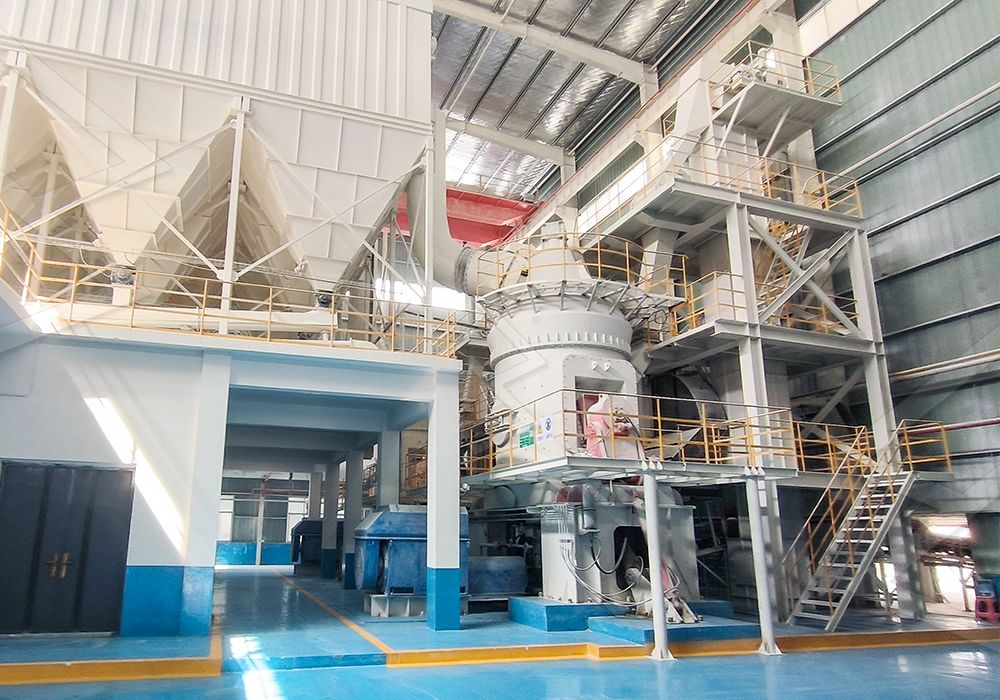
A true behemoth in mineral processing, the LM Vertical Grinding Mill integrates crushing, drying, grinding, and classifying into a single, streamlined unit. Its vertical structure slashes the occupational footprint by 50% compared to traditional ball mills, while simultaneously reducing energy consumption by 30-40%. Ideal for processing non-metallic minerals, pulverized coal, and slag, its stability and automated control system make it a cornerstone of large-scale production facilities.
2. Ultra-Fine Precision: MW Ultrafine Grinding Mill
For applications demanding exceptional fineness, the MW Ultrafine Grinding Mill stands out. Engineered to produce powders between 325 and 2500 meshes, this machine is a game-changer for industries like cosmetics, pharmaceuticals, and advanced chemicals. A key advantage is its innovative design that eliminates rolling bearings and screws within the grinding chamber, virtually eradicating concerns about bearing failure or loose components causing downtime. With a capacity ranging from 0.5 to 25 tph and an integrated efficient pulse dust collector, the MW series offers higher yielding at lower energy consumption, making it both a productive and environmentally conscious choice for ultra-fine powder production.
3. Advanced Vertical Refinement: LUM Ultrafine Vertical Grinding Mill
Building on vertical mill technology, the LUM Ultrafine Vertical Grinding Mill incorporates advanced roller and powder separating technologies. It features a unique reversible structure that allows grinding rollers to be easily moved out of the body for maintenance, significantly reducing service time and associated costs. This design is particularly effective for achieving high whiteness and cleanliness in finished products like calcite and marble.
4. European Engineering: MTW-Z European Trapezium Mill
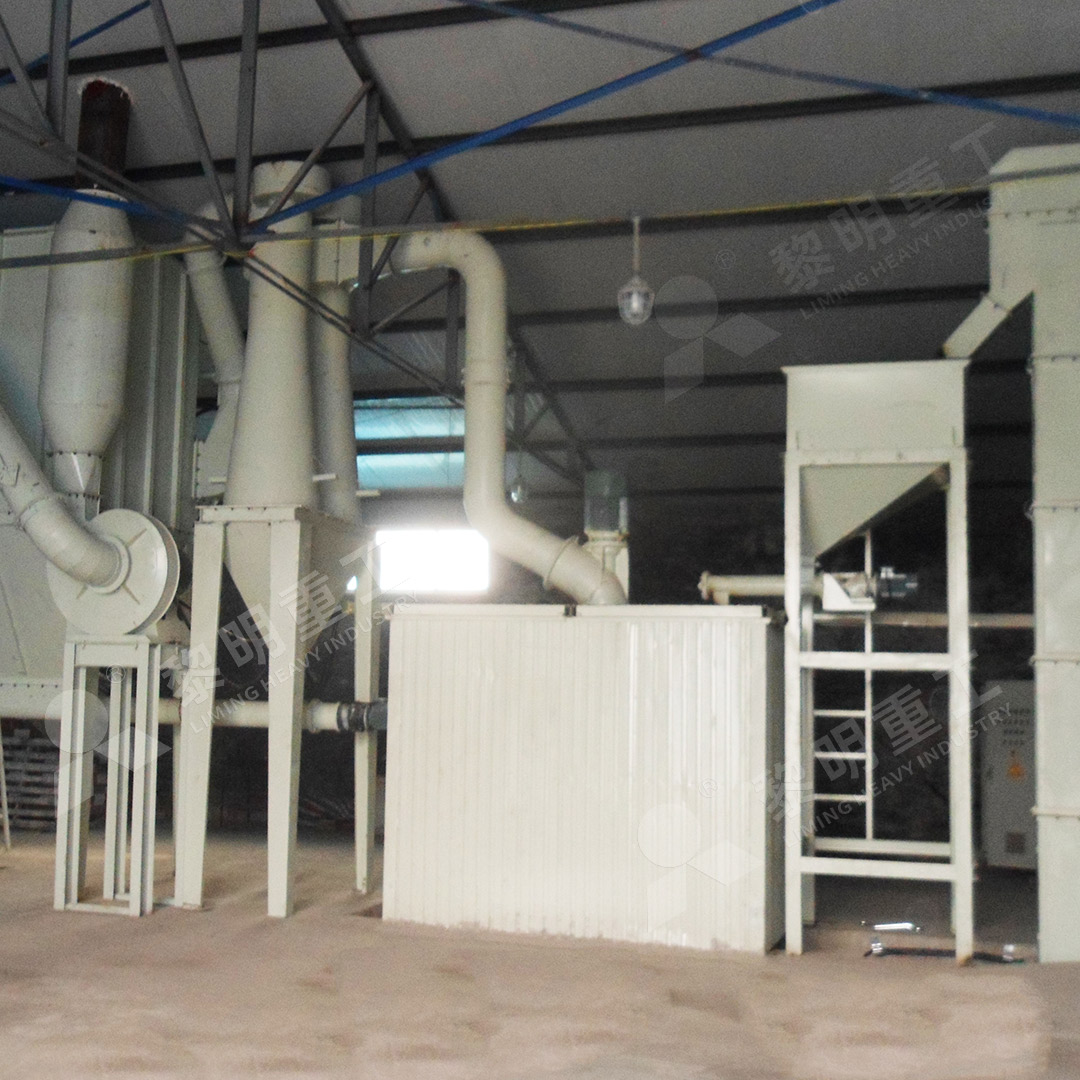
This mill introduces several proprietary advancements, including a dilute oil lubrication system for the grinding rollers, which is maintenance-free and easier to operate than traditional grease lubrication. The absence of a shovel blade cylinder in its grinding chamber increases ventilation area, reducing air-conveying resistance and boosting overall grinding efficiency. Its elastic volute damping structure ensures stable operation even under significant vibrational stress.
5. The Reliable Workhorse: Raymond Mill
As a first-generation grinding mill that remains highly relevant, the Raymond Mill is prized for its simplicity, small covered area, and low investment cost. It’s a versatile solution for desulfurization, metallurgy, and non-metallic ore milling, offering optimized performance for standard grinding tasks.
6. Traditional Efficiency: Ball Mill
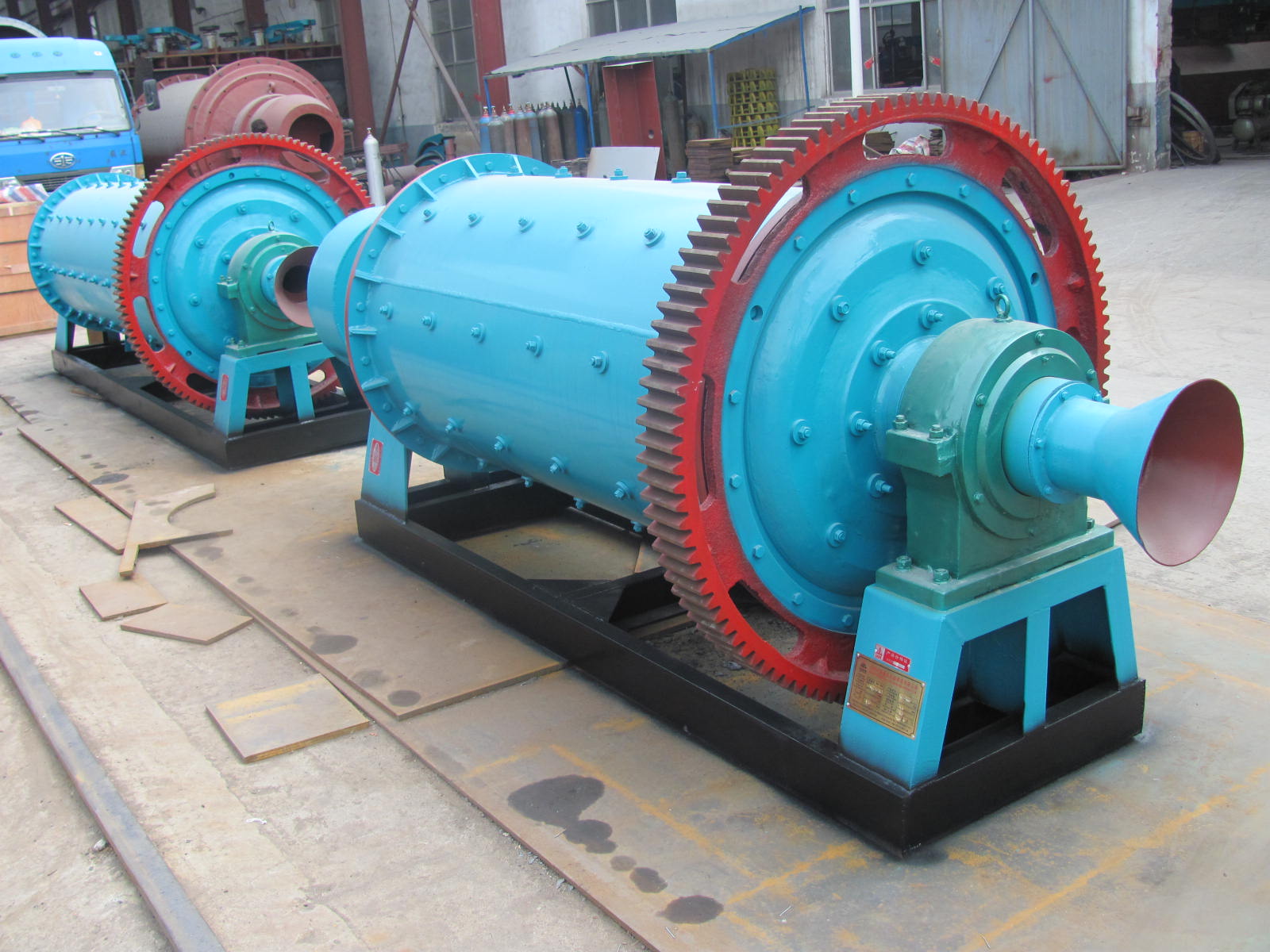
A common sight in beneficiation and construction, the ball mill is a fundamental grinding plant. Its horizontal rotating chamber, filled with steel balls, crushes materials through impact and attrition. Advantages include lower investment, energy savings, and a simple, reliable structure that is safe and easy to operate.
7. Specialized Fuel Processing: LM Vertical Coal Mill
Specifically designed for power plants and cement plants, this vertical coal mill can dry and grind coal simultaneously. It features limit devices to prevent direct contact between grinding rollers and the table, avoiding destructive vibration. Its high grinding efficiency and automated control system make it ideal for producing pulverized coal fuel.
8. Waste to Resource: LM Vertical Slag Mill
This specialized equipment turns industrial waste like steel slag and water slag into valuable powder. Integrating drying, grinding, and powder selection, it reduces the covered area and energy consumption by 30-40% compared to ball milling systems, promoting circular economy practices in heavy industry.
9. High-Pressure Grinding: TGM Trapezium Mill
The TGM Super Pressure Trapezium Mill uses innovative grinding roller and ring designs to achieve high capacity and low energy consumption. It is suitable for various non-flammable materials and features high-density impeller devices that increase capacity by 50%.
10. Proven Performance: MTW European Trapezium Grinding Mill
With a large market share, this mill is known for its bevel gear overall drive and inner automatic thin-oil lubricating system. Its split-type shovel blade and pneumatic sealing device ensure high production efficiency and excellent final powder quality, making it a trusted choice for processing limestone, calcite, and ceramics.
Frequently Asked Questions (FAQ)
Q: What is the primary advantage of a vertical grinding mill over a traditional ball mill?
A: Vertical mills like the LM series offer a significantly smaller footprint (about 50% less area) and lower energy consumption (30-40% less) by integrating multiple processes like drying and grinding into one machine. They also provide more stable operation and easier maintenance.
Q: How fine a powder can the MW Ultrafine Grinding Mill produce?
A: The MW Ultrafine Grinding Mill can adjust fineness between 325 and 2500 meshes, with the ability to achieve a screening rate of d97≤5μm in a single pass. This makes it suitable for high-value industries requiring extremely fine and consistent powders.
Q: Are these industrial mills environmentally friendly?
A: Yes, modern mills are designed with environmental protection in mind. For instance, the MW series is equipped with efficient pulse dust collectors and mufflers, ensuring no dust pollution and reduced noise levels, fully complying with national environmental standards.
Q: What kind of maintenance do these large machines require?
A: Maintenance needs vary. However, models like the LUM Ultrafine Vertical Grinding Mill feature reversible structures and external lubrication systems that allow for easy access to key components, minimizing downtime. Most are designed for robust, long-term operation with readily available spare parts.