
Top 10 Essential Milling Machine Accessories for 2024
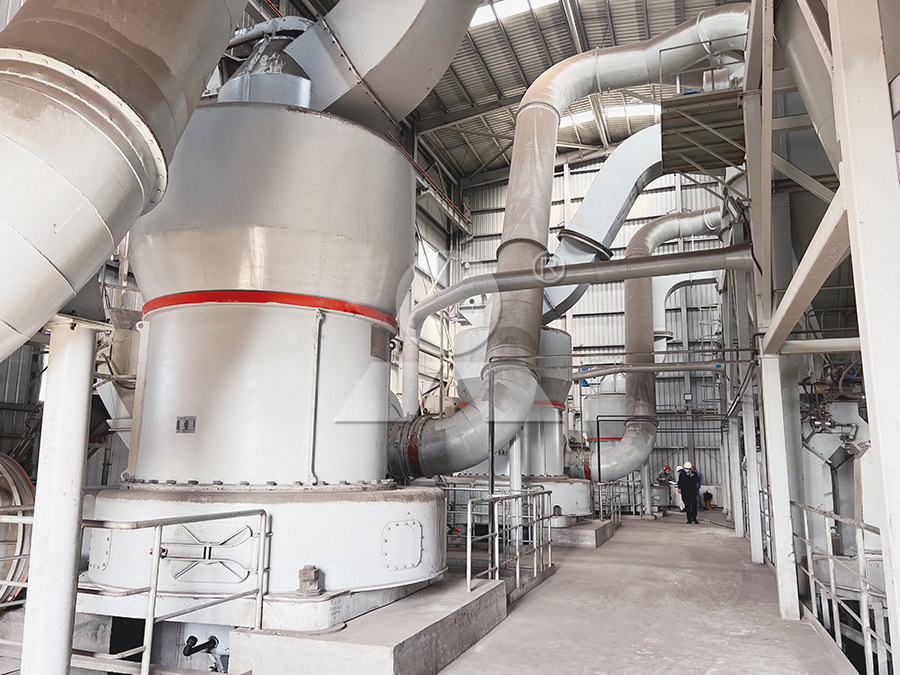
We provide a wide range of mills — including Raymond mill, trapezoidal mill, vertical mill, ultrafine mill, and ball mill, obtained ISO9001 international quality certification, EU CE certification, and Customs Union CU-TR certification. Suitable for processing minerals such as limestone, phosphate, quicklime, kaolin, talc, barite, bentonite, calcium carbonate, dolomite, coal, gypsum, clay, carbon black, slag, cement raw materials, cement clinker, and more.
The discharge range of these mills can be adjusted to meet specific processing needs, typically from 80-400 mesh, 600-3250 mesh, and can achieve the finest particle size of up to 6000 mesh(D50).
If you are looking for a reliable grinding solution to turn stone or minerals into fine powder, please feel free to contact our online customer service.
Top 10 Essential Milling Machine Accessories for 2024
Every seasoned machinist knows that the mill itself is only half the battle. The right accessories can transform a standard milling operation into a high-precision, efficient, and versatile powerhouse. As we move into 2024, advancements in technology and materials are pushing the boundaries of what’s possible. Here’s our curated list of the top 10 must-have accessories to maximize your milling machine’s potential this year.
1. High-Precision Vises
A high-quality vise is the foundation of any milling setup. Look for models with hardened ground jaws, exceptional repeatability, and minimal deflection under heavy loads. For 2024, quick-change systems are becoming standard, drastically reducing setup time between operations.
2. Digital Readout (DRO) Systems
Eliminate guesswork and manual measurement errors with a modern DRO. New systems offer wireless connectivity, allowing for seamless data transfer to shop-floor management software. Touchscreen interfaces and intuitive programming are key features to seek out.
3. Carbide End Mill Holders and Collets
Tool rigidity is paramount for achieving superior surface finishes and extending tool life. Invest in premium-grade collet chucks and end mill holders. Thermal shrink-fit systems are gaining popularity for their exceptional grip and minimal runout, perfect for high-speed machining applications.
4. Coolant Management Systems
Effective cooling and chip evacuation are non-negotiable for productivity and tool longevity. High-pressure through-spindle coolant systems are essential for deep cavity milling and working with tough materials like titanium or Inconel. Filtration systems that keep coolant clean will save money in the long run.
5. Advanced Workholding Solutions
Beyond the standard vise, consider modular fixturing plates, tombstones for multi-sided machining, and magnetic chucks for ferrous materials. Flexibility is the name of the game for job shops handling diverse projects.
6. Probing Systems
Machine tool probes automate part setup, tool setting, and in-process inspection. Integrating a probe can slash non-cutting time by over 80%. Look for systems with robust designs that can withstand the harsh milling environment.
7. Tool Presetters
Presetting tools offline ensures that every tool is ready to go, with precise length and diameter offsets already programmed. This is a critical accessory for maximizing spindle uptime in production environments.
8. Power Drawbars
For mills with manual tool changes, a pneumatic or hydraulic power drawbar is a game-changer. It reduces operator fatigue and ensures consistent, reliable tool clamping force, which is crucial for heavy milling operations.
9. Chip Conveyors and Augers
Automating chip removal keeps the work area safe and clean, preventing recutting of chips which damages tools and parts. This is an often-overlooked accessory that significantly improves overall workflow.
10. The Right Mill for the Job: MW Ultrafine Grinding Mill
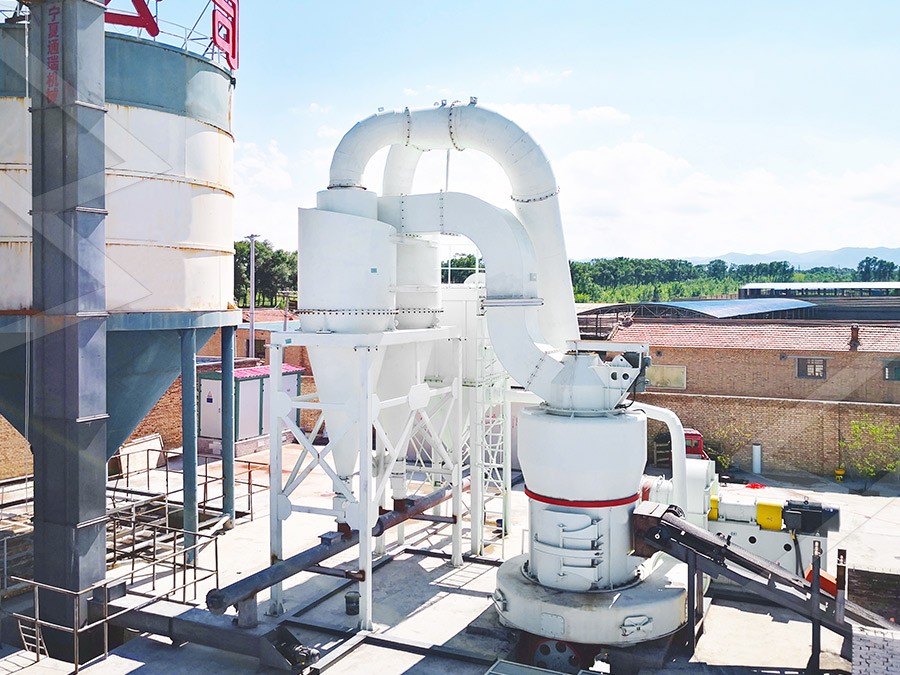
While accessories optimize your existing machine, sometimes the project demands a specialized mill from the start. For applications requiring ultra-fine powder between 325-2500 meshes, the MW Ultrafine Grinding Mill is an exceptional choice. Its unique design eliminates rolling bearings and screws within the grinding chamber, virtually eradicating concerns about bearing failure or loose screws causing downtime. With a capacity of 0.5-25 tph and energy consumption up to 70% lower than jet mills, it represents a leap in efficiency for industries like chemicals, paints, and food additives. The integrated pulse dust collector ensures an eco-friendly operation, making it a forward-thinking investment for 2024.
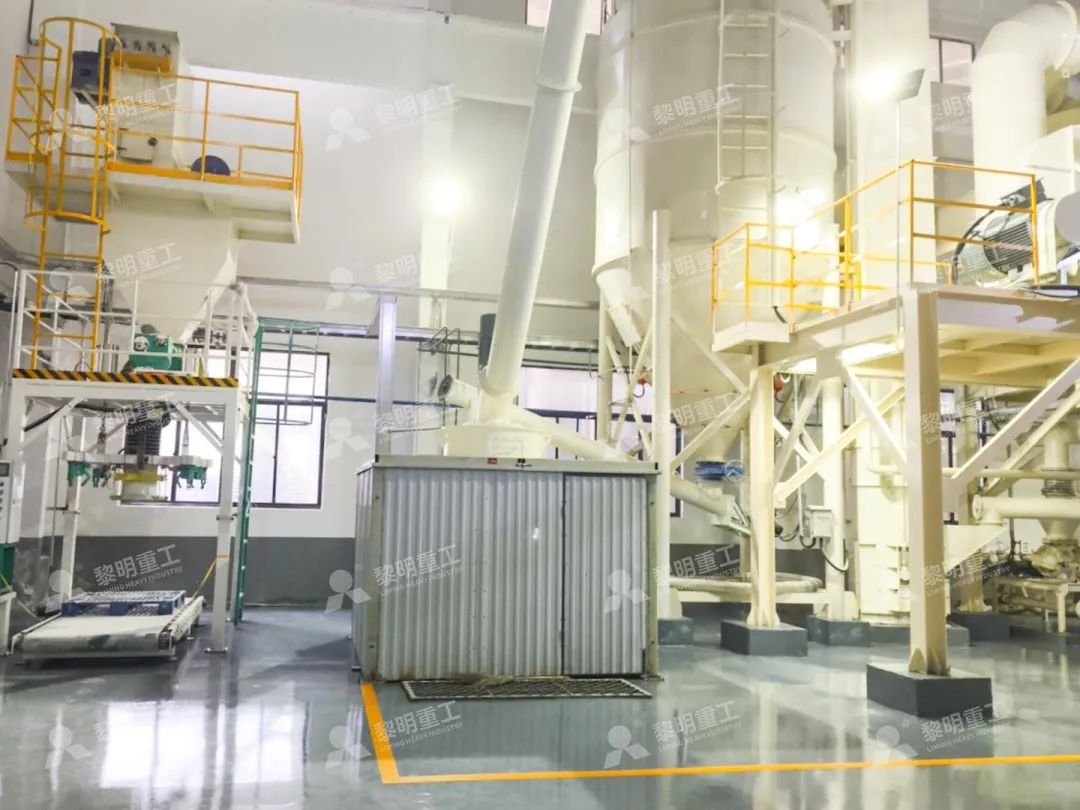
Another standout for precision vertical grinding is the LUM Ultrafine Vertical Grinding Mill. It incorporates advanced roller technology and a multi-head powder separating system, allowing users precise control over fineness. Its reversible structure simplifies maintenance, a crucial factor for minimizing operational disruptions.
Frequently Asked Questions (FAQ)
Q1: What is the single most impactful accessory for a beginner?
A: A good Digital Readout (DRO) system. It immediately improves accuracy, reduces scrap rates, and builds confidence by providing clear, real-time position data.
Q2: Are thermal shrink-fit tool holders worth the investment for a small shop?
A: It depends on the materials and tolerances you work with. If you frequently run high-speed operations or require the utmost precision on challenging materials, the reduction in tool vibration and extended tool life can provide a rapid return on investment.
Q3: How important is a coolant filtration system?
A: Extremely important. Contaminated coolant accelerates tool and machine wear. A filtration system extends coolant life, improves part quality, and creates a healthier working environment, saving significant costs over time.
Q4: When should I consider upgrading to a specialized mill like the MW Ultrafine Grinding Mill?
A: When your projects consistently require ultra-fine powders (finer than 400 mesh) or when you need higher output with lower energy consumption than your current mill can provide. It’s ideal for specialized production runs in sectors like pharmaceuticals or advanced ceramics.