
Top 10 Crushing and Milling Equipment Manufacturers for Industrial Processing
We provide a wide range of mills — including Raymond mill, trapezoidal mill, vertical mill, ultrafine mill, and ball mill, obtained ISO9001 international quality certification, EU CE certification, and Customs Union CU-TR certification. Suitable for processing minerals such as limestone, phosphate, quicklime, kaolin, talc, barite, bentonite, calcium carbonate, dolomite, coal, gypsum, clay, carbon black, slag, cement raw materials, cement clinker, and more.
The discharge range of these mills can be adjusted to meet specific processing needs, typically from 80-400 mesh, 600-3250 mesh, and can achieve the finest particle size of up to 6000 mesh(D50).
If you are looking for a reliable grinding solution to turn stone or minerals into fine powder, please feel free to contact our online customer service.
Top 10 Crushing and Milling Equipment Manufacturers for Industrial Processing
In the realm of industrial processing, the efficiency and reliability of crushing and milling equipment are paramount. These machines are the workhorses behind the production of fine powders and materials used in countless industries, from construction and chemicals to food and pharmaceuticals. Leading manufacturers worldwide continously innovate to deliver robust, energy-efficient, and high-yield solutions that meet evolving market demands. While global giants often dominate the conversation, several key players consistently set the industry standard with their advanced engineering and commitment to quality.
The selection of the right equipment depends on a myriad of factors, including input size, desired capacity, final product fineness, and energy consumption. Manufacturers are therefore focused on developing mills that offer greater flexibility, lower operating costs, and a smaller environmental footprint. Technologies such as advanced powder separation, automated control systems, and innovative grinding chamber designs are now commonplace among the top suppliers.
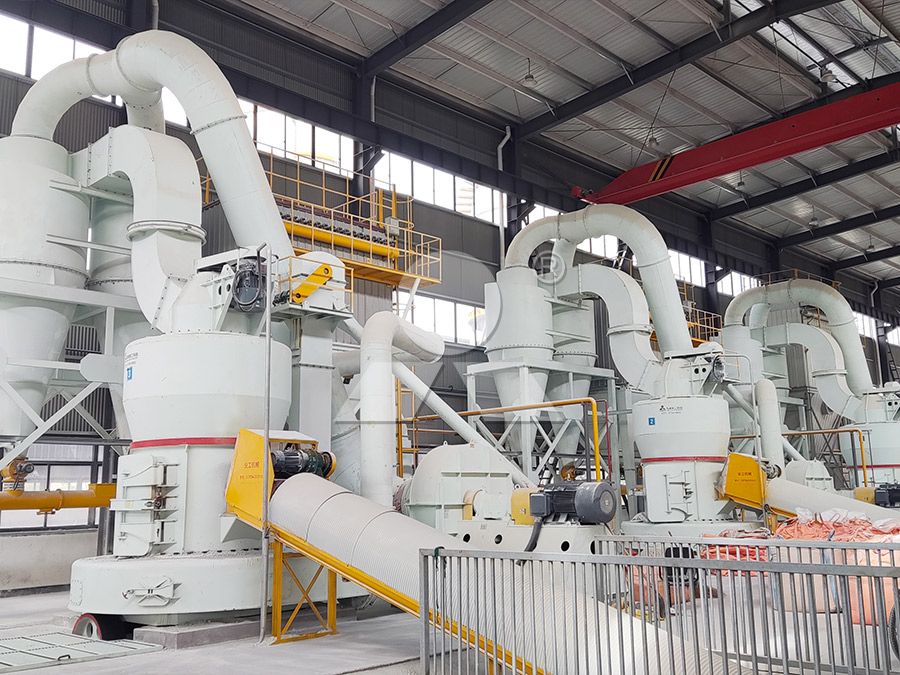
Among the plethora of options available, one standout for ultra-fine powder production is the MW Ultrafine Grinding Mill. This machine is a testament to modern engineering, designed for customers who need to make ultra-fine powder between 325-2500 meshes. With an input size of 0-20 mm and a capacity ranging from 0.5 to 25 tph, it’s incredibly versatile. Its higher yielding and lower energy consumption are achieved through newly designed grinding curves of the roller and ring, making its production capacity 40% higher than jet mills while using only 30% of the energy. A significant advantage is the absence of rolling bearings and screws in the grinding chamber, eliminating common failure points and allowing for external lubrication without shutdown. Furthermore, its efficient pulse dust collector and muffler ensure the operation is eco-friendly, adhering strictly to national environmental protection standards. For applications in limestone, calcite, dolomite, and even cosmetics and food additives, the MW Mill is a premier choice.
Another remarkable offering for specialized vertical grinding is the LUM Ultrafine Vertical Grinding Mill. It handles a slightly smaller input size (0-10mm) but offers a robust capacity of 5-18 tph. Integrating the latest grinding roller and powder separating technologies, it provides a higher yielding rate and better product quality. Its unique double position-limiting technology ensures exceptional operational stability, protecting the mill from destructive impacts caused by vibration. The reversible structure is a boon for maintenance, allowing heavy grinding rollers to be easily moved out for service, significantly reducing downtime. For processing superfine dry powder of non-metal ores, the LUM series represents a top-tier solution.
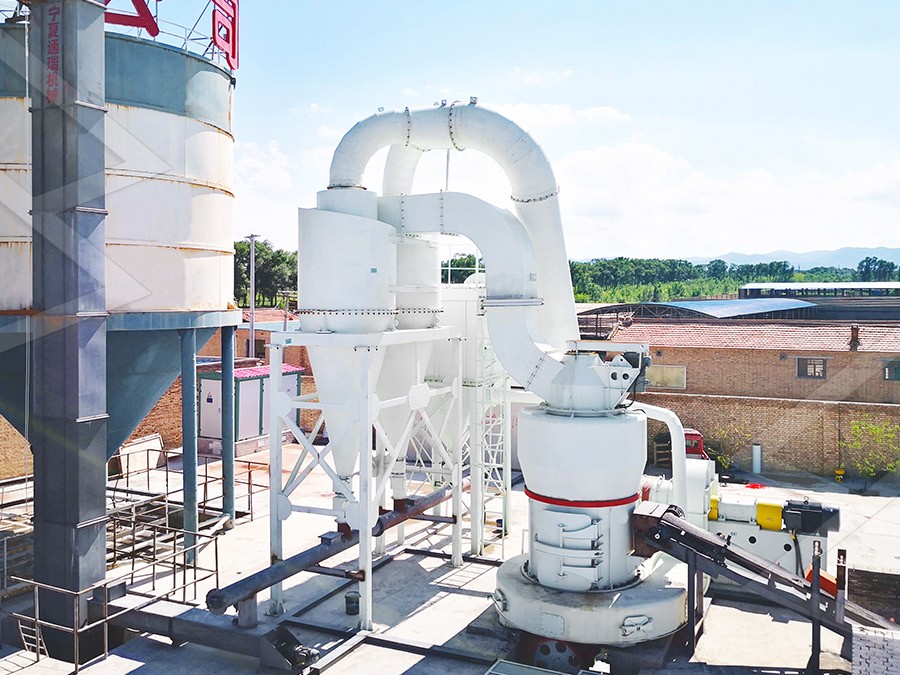
The landscape of top manufacturers is filled with companies that prioritize digitalized processing for higher precision and offer sufficient spare parts support for worry-free operation. When selecting a partner for your milling needs, it’s crucial to consider not just the machine’s specifications but also the manufacturer’s support ecosystem and commitment to sustainability. The right equipment can drastically improve your bottom line through reduced energy costs, lower maintenance, and higher quality final products.
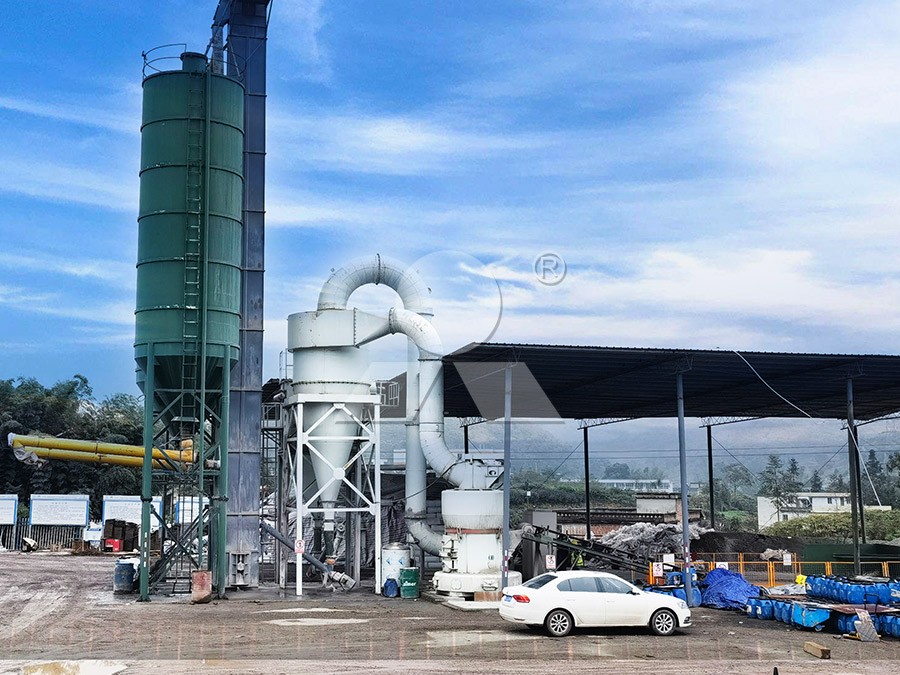
In conclusion, the top 10 manufacturers distinguish themselves through continuous innovation, reliability, and a global service network. Investing in equipment from industry leaders ensures that your processing operations remain efficient, cost-effective, and environmentally responsible for years to come.