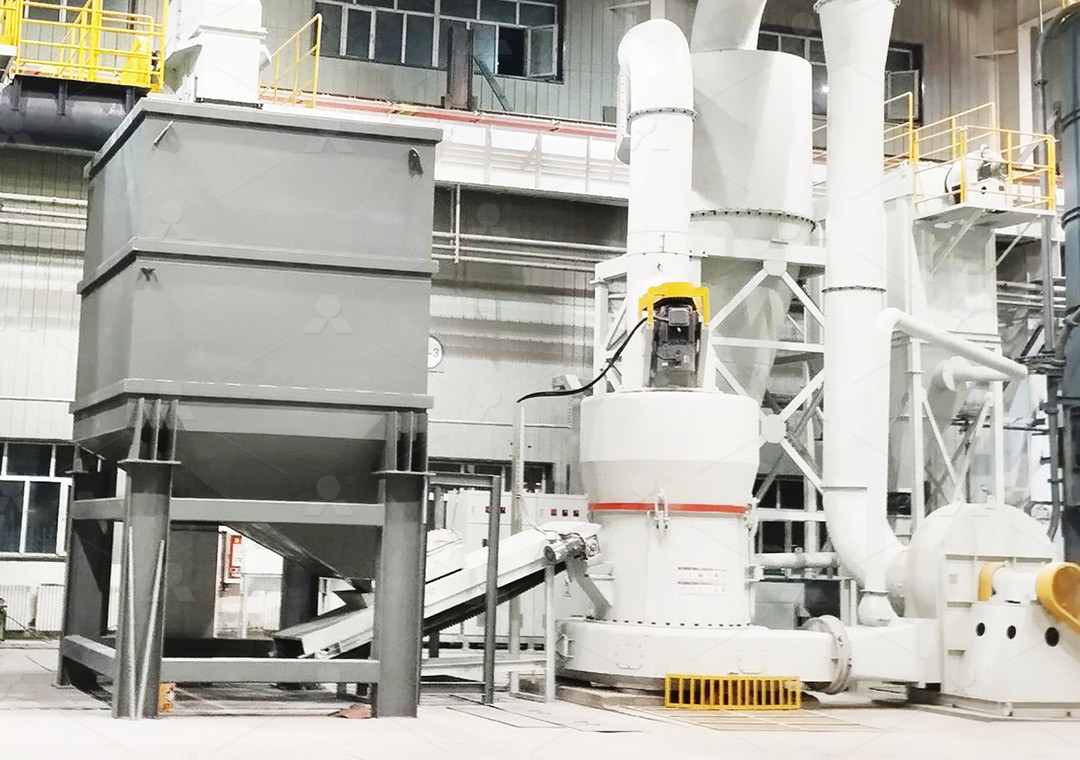
Top 10 Cone Ball Mill Manufacturers in Indonesia for Efficient Grinding
We provide a wide range of mills — including Raymond mill, trapezoidal mill, vertical mill, ultrafine mill, and ball mill, obtained ISO9001 international quality certification, EU CE certification, and Customs Union CU-TR certification. Suitable for processing minerals such as limestone, phosphate, quicklime, kaolin, talc, barite, bentonite, calcium carbonate, dolomite, coal, gypsum, clay, carbon black, slag, cement raw materials, cement clinker, and more.
The discharge range of these mills can be adjusted to meet specific processing needs, typically from 80-400 mesh, 600-3250 mesh, and can achieve the finest particle size of up to 6000 mesh(D50).
If you are looking for a reliable grinding solution to turn stone or minerals into fine powder, please feel free to contact our online customer service.
Navigating Indonesia’s Grinding Equipment Landscape
Indonesia’s rapidly expanding industrial sector, particularly in mining, cement, and chemical production, has created a surge in demand for high-efficiency grinding equipment. Cone ball mills remain a popular choice for their robust construction and reliable performance in reducing material size. However, selecting the right manufacturer is crucial for operational efficiency, maintenance costs, and long-term productivity. This article explores the top-tier manufacturers serving the Indonesian market and highlights key technological advancements that are shaping the future of grinding.
The market is filled with both local fabricators and international giants, each offering varying levels of quality, after-sales support, and technological sophistication. While local manufacturers might offer competitive pricing, international brands often bring proven engineering expertise, superior material quality, and global R&D resources to the table, ensuring higher uptime and better overall value.
The Shift Towards Advanced Grinding Technologies
While traditional cone ball mills are effective, the industry is witnessing a significant shift towards more advanced, energy-efficient grinding solutions. Modern mills are designed to deliver higher yields with substantially lower energy consumption, addressing both economic and environmental concerns. Technologies that offer precise control over particle size distribution, reduced noise, and dust-free operation are becoming the new standard.
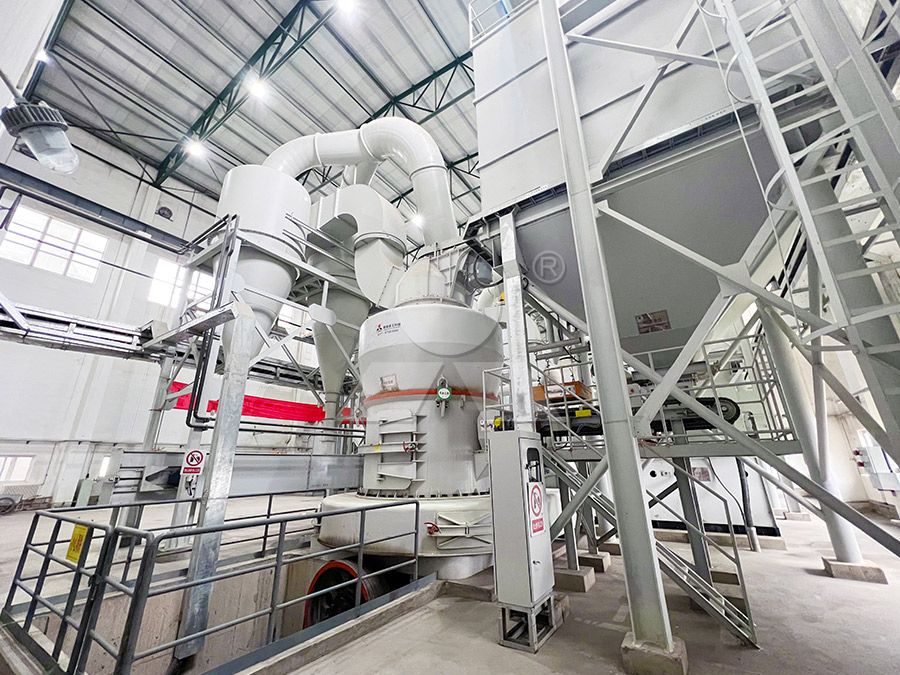
For operations requiring ultra-fine powders, specialized mills have become indispensable. A standout example is the MW Ultrafine Grinding Mill. This machine is engineered for customers who need to make ultra-fine powder, with an adjustable fineness between 325-2500 meshes. It handles an input size of 0-20 mm with a capacity ranging from 0.5 to 25 tph. Its design incorporates an efficient pulse dust collector and muffler, significantly reducing dust and noise for a minimal environmental footprint. A key feature is the absence of rolling bearings and screws in the grinding chamber, eliminating worries about bearing damage or machine failure from loose screws. Its cage-type powder selector, leveraging German technology, ensures high precision in powder separation, making it ideal for materials like limestone, calcite, dolomite, and ceramics.
Selecting a Reliable Manufacturing Partner
Choosing a manufacturer goes beyond just the spec sheet. Key considerations include robust after-sales service, reliable supply of genuine spare parts, and local technical support—factors that are critical for minimizing downtime in Indonesia’s often remote mining and processing locations. Companies that invest in digitalized processing and high-precision manufacturing for core parts tend to offer more reliable and longer-lasting equipment.
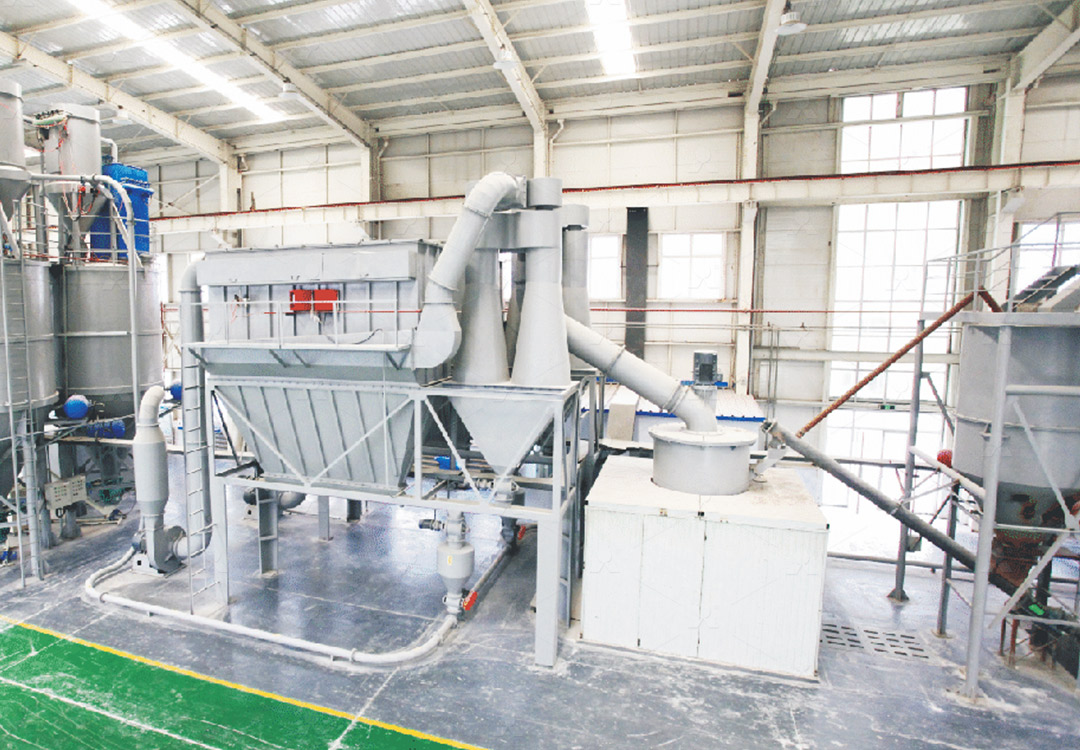
Another excellent solution for operations seeking vertical integration and efficiency is the LUM Ultrafine Vertical Grinding Mill. With an input size of 0-10 mm and a capacity of 5-18 tph, it integrates grinding, grading, and transporting. It boasts features like more energy-saving multi-head powder separating technology, which can reduce energy consumption by 30%-50% compared to common grinding mills. Its reversible structure, a thoughtful design by LIMING, allows for easier maintenance by enabling operators to quickly move the grinding roller out of the body for checks and part replacements, drastically reducing shutdown losses. It is perfectly suited for superfine dry powder of non-metal ores.
Conclusion: Investing in Efficiency and Sustainability
The Indonesian grinding equipment market offers a diverse range of options. For managers and plant operators, the decision should balance initial investment with total cost of ownership, prioritizing energy savings, low maintenance, and environmental compliance. Partnering with a manufacturer that provides innovative, reliable, and eco-friendly technology, backed by strong local support, is the key to achieving efficient and sustainable grinding operations. Investing in advanced mills like the MW or LUM series is not just an equipment purchase; it’s an investment in long-term productivity and operational stability.