
Top 10 China Iron Ore Grinding Mill Manufacturers for Mining Plants
We provide a wide range of mills — including Raymond mill, trapezoidal mill, vertical mill, ultrafine mill, and ball mill, obtained ISO9001 international quality certification, EU CE certification, and Customs Union CU-TR certification. Suitable for processing minerals such as limestone, phosphate, quicklime, kaolin, talc, barite, bentonite, calcium carbonate, dolomite, coal, gypsum, clay, carbon black, slag, cement raw materials, cement clinker, and more.
The discharge range of these mills can be adjusted to meet specific processing needs, typically from 80-400 mesh, 600-3250 mesh, and can achieve the finest particle size of up to 6000 mesh(D50).
If you are looking for a reliable grinding solution to turn stone or minerals into fine powder, please feel free to contact our online customer service.
Navigating the Landscape of Iron Ore Grinding Solutions
The efficiency of an iron ore processing plant hinges significantly on the performance of its grinding circuit. Selecting the right grinding mill is not merely a procurement decision; it is a strategic choice that impacts throughput, product quality, and operational costs. China has emerged as a global powerhouse in manufacturing heavy industrial equipment, with several companies leading the charge in developing advanced, reliable, and cost-effective grinding technologies tailored for the demanding mining sector.
Key Considerations for Iron Ore Grinding
Before delving into the manufacturers, it’s crucial to understand the specific requirements for grinding iron ore. The abrasive nature of iron ore demands robust construction, high wear resistance, and energy-efficient operation to keep production costs manageable. Key parameters include feed size, required product fineness, capacity, and the integration of drying systems if the ore has high moisture content.
Leading Manufacturers and Their Technological Edge
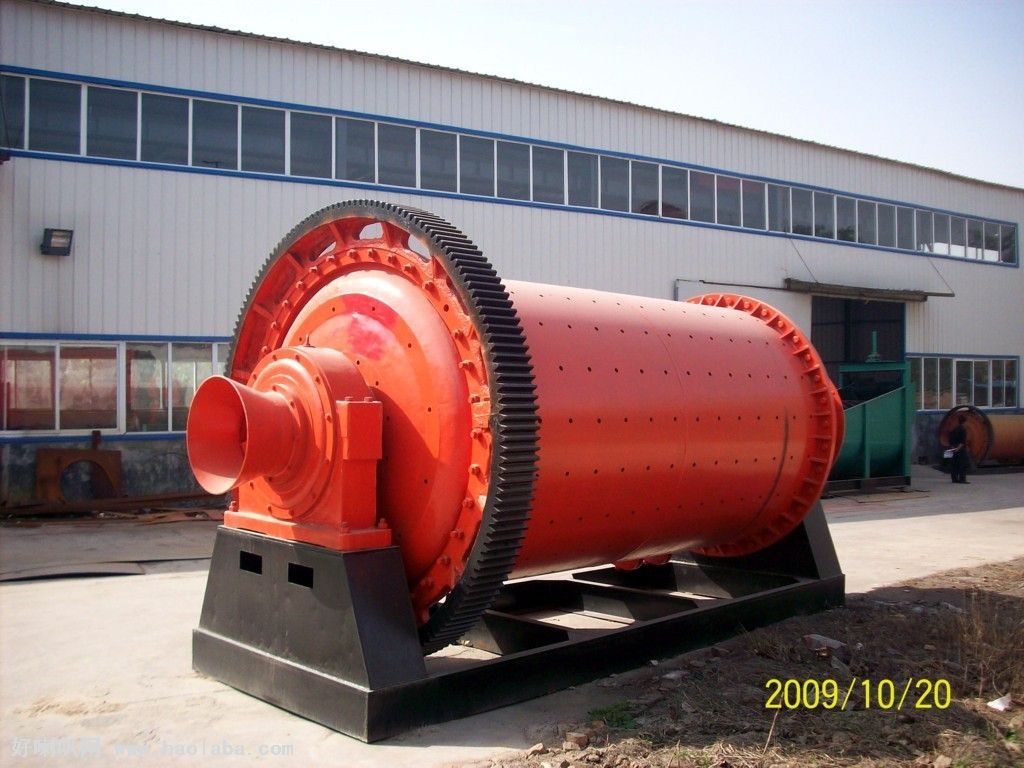
The Chinese market is populated by numerous manufacturers, but a select few have distinguished themselves through continuous innovation, extensive R&D, and a proven track record in domestic and international mining projects. These companies offer a range of technologies, from traditional ball mills to advanced vertical roller mills and ultrafine grinding solutions.
A Spotlight on Advanced Grinding Technology
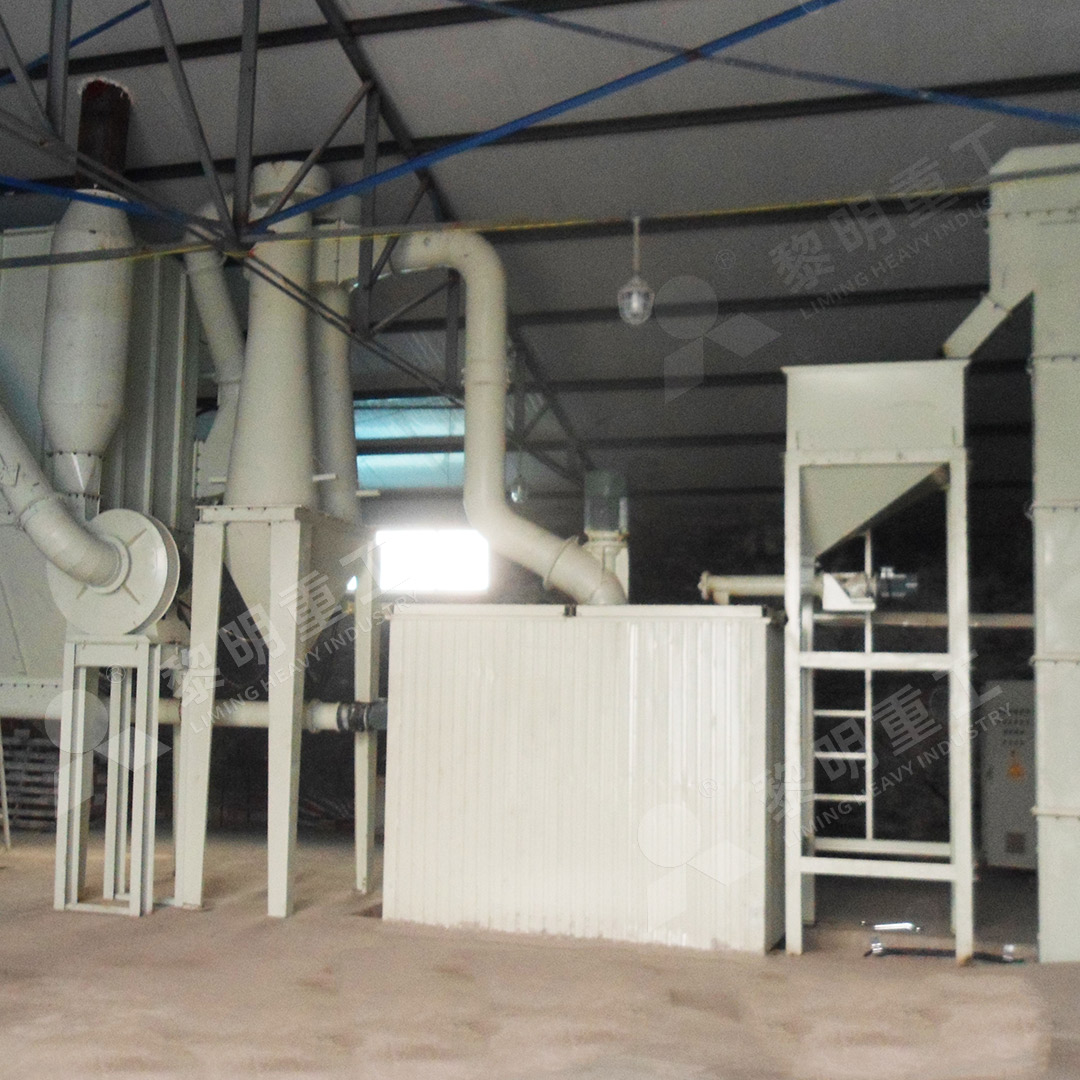
Among the frontrunners, LIMING Heavy Industry stands out for its comprehensive portfolio. For operations requiring ultra-fine powders for pelletizing or other beneficiation processes, the MW Ultrafine Grinding Mill presents a compelling solution. Engineered for customers needing to produce ultra-fine powder, this machine is designed with a focus on higher yield and lower energy consumption. With an input size of 0-20 mm and a capacity range of 0.5-25 tph, it is well-suited for various scales of operation. A significant advantage is its innovative design that eliminates rolling bearings and screws within the grinding chamber, mitigating common failure points and enabling worry-free, continuous 24/7 operation. The integrated efficient pulse dust collector and muffler ensure the production process meets stringent environmental standards.
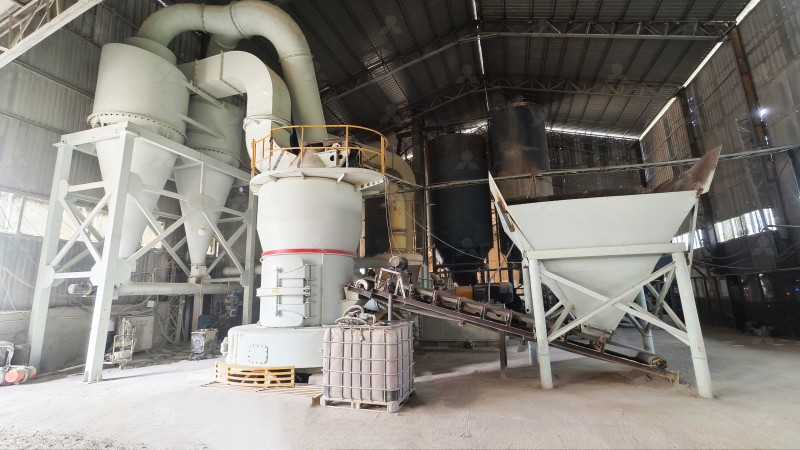
For projects demanding high capacity and integrated drying, the LM Vertical Grinding Mill is another flagship product from LIMING. It integrates crushing, drying, grinding, classifying, and conveying into a single unit, significantly reducing the plant’s footprint and overall investment cost. Handling feed sizes up to 70 mm with capacities ranging from 3 to 340 tph, it is a workhorse for large-scale iron ore processing. Its design ensures a short material retention time, which minimizes over-grinding and reduces the iron content introduced by mechanical wear, thereby preserving the quality of the final product.
Beyond a Single Supplier: The Competitive Field
Other notable Chinese manufacturers have also made significant strides. Companies like SBM, Zenith, and Hongxing Machinery offer robust alternatives, including the MTW European Trapezium Mill and various ball mill configurations. The TGM Trapezium Mill is recognized for its high capacity and energy-saving features, while specialized mills like the LM Vertical Coal Mill and LM Vertical Slag Mill demonstrate the industry’s capability to tailor solutions for specific by-products or fuel preparation within a mining complex.
Making the Informed Choice
The choice of a grinding mill manufacturer should be based on a thorough analysis of the ore characteristics, desired final product, total cost of ownership, and the supplier’s after-sales support capability. The top manufacturers distinguish themselves not only through their equipment’s performance but also through their commitment to providing sufficient spare parts and technical services to ensure worry-free operation over the entire lifecycle of the mill.
Frequently Asked Questions (FAQ)
What is the most energy-efficient type of mill for iron ore grinding?
Vertical Roller Mills (VRMs), such as the LM Vertical Grinding Mill, are generally more energy-efficient than traditional ball mills, often reducing energy consumption by 30-40% for the same duty.
Can these mills handle wet or sticky iron ore?
Many modern mills, including the LM series, integrate drying functions. Hot air can be introduced to dry the material during the grinding process, making them suitable for ores with moderate moisture content. However, highly sticky ores may require pre-treatment.
How important is after-sales service when selecting a manufacturer?
Extremely important. Grinding mills are critical assets. Prompt availability of technical support and genuine spare parts, as emphasized by manufacturers like LIMING with their ‘worry-free operation’ promise, is vital for minimizing downtime and maintaining production targets.
What fineness can be achieved for iron ore powder?
It depends on the mill type. Standard ball mills and Raymond mills can achieve fineness up to 400-500 mesh. For ultra-fine requirements (e.g., 2500 meshes), specialized mills like the MW Ultrafine Grinding Mill are necessary.