
The Working Principle and Operation of a Conical Ball Mill
We provide a wide range of mills — including Raymond mill, trapezoidal mill, vertical mill, ultrafine mill, and ball mill, obtained ISO9001 international quality certification, EU CE certification, and Customs Union CU-TR certification. Suitable for processing minerals such as limestone, phosphate, quicklime, kaolin, talc, barite, bentonite, calcium carbonate, dolomite, coal, gypsum, clay, carbon black, slag, cement raw materials, cement clinker, and more.
The discharge range of these mills can be adjusted to meet specific processing needs, typically from 80-400 mesh, 600-3250 mesh, and can achieve the finest particle size of up to 6000 mesh(D50).
If you are looking for a reliable grinding solution to turn stone or minerals into fine powder, please feel free to contact our online customer service.
The Working Principle and Operation of a Conical Ball Mill
In the world of mineral processing and size reduction, the conical ball mill stands as a venerable and reliable workhorse. Its unique design and efficient operation have made it a staple in various industries for decades. Understanding its inner workings is crucial for operators and engineers alike to maximize productivity and ensure optimal performance.
Fundamental Design and Mechanism
A conical ball mill, as the name suggests, features a conical-shaped grinding chamber. This is in contrast to the purely cylindrical design of traditional ball mills. The conical section is typically at the discharge end. The mill is a horizontal rotating device transmitted by an outer gear. Materials are fed into the mill through a hollow trunnion at one end and are discharged through a similar opening at the opposite end, often after passing through the conical section.
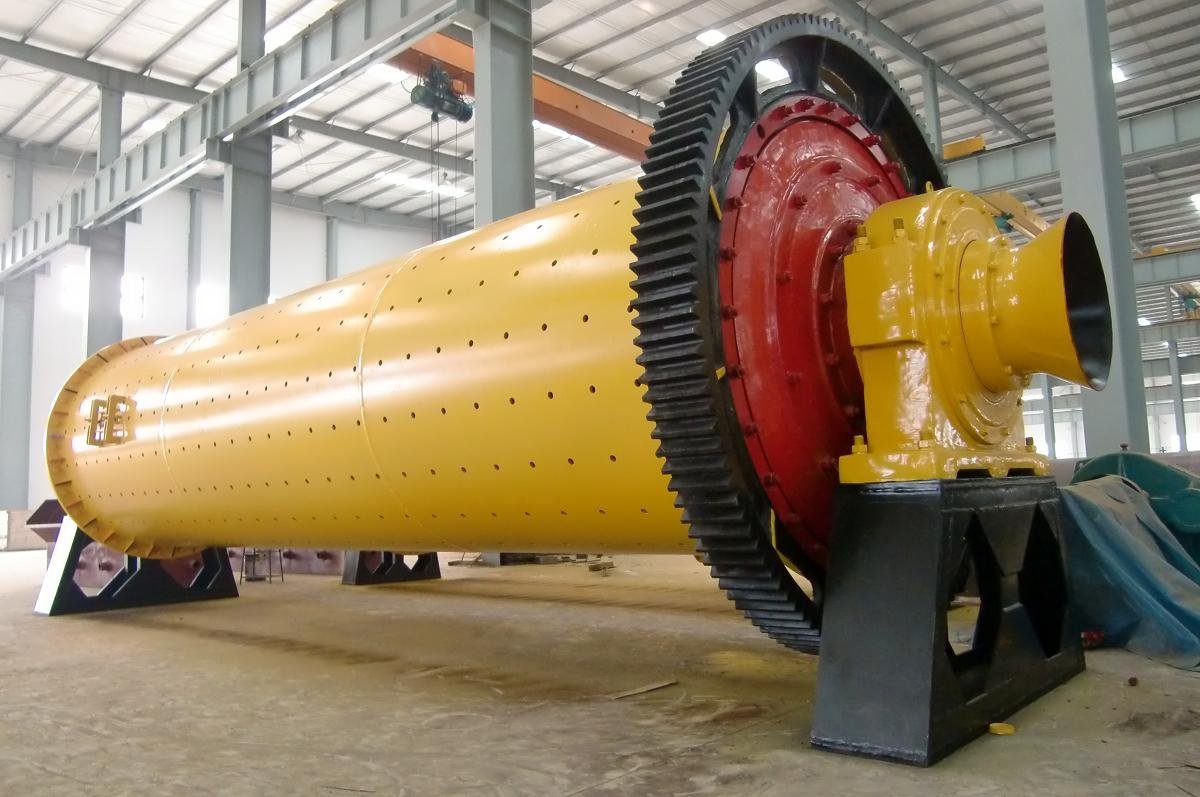
The heart of the operation lies within the chamber, which is lined with resistant liners and filled with grinding media—usually steel or ceramic balls. The centrifugal force generated by the rotation of the chamber causes the grinding balls to be lifted to a certain height before they cascade and cataract down, impacting and abrading the ore particles trapped between them. The conical shape at the discharge end creates a natural classification effect. Larger, unground particles are preferentially returned toward the cylindrical section for further grinding, while finer particles migrate toward the discharge, promoting a more efficient grinding action and reducing over-grinding.
Key Operational Parameters
Successful operation of a conical ball mill depends on carefully balancing several key parameters:
- Rotation Speed: The speed must be optimized to ensure the balls are carried up the side of the shell and then fall onto the ore, creating the desired impact. This is often expressed as a percentage of the critical speed (the speed at which centrifugal force pins the balls to the shell wall).
- Grinding Media: The size, density, and composition of the balls are critical. Larger balls are suited for coarse grinding, while smaller balls are better for producing fine powders. The charge volume, or the fraction of the mill volume filled with media, is also vital, typically ranging from 30% to 45%.
- Feed Rate and Size: A consistent and appropriate feed rate is necessary to maintain a efficient grinding environment. The size of the input material must be compatible with the mill’s design capacity.
- Pulp Density: The concentration of solids in the water slurry within the mill affects viscosity and thus the efficiency of the grinding process.
Advantages and Considerations
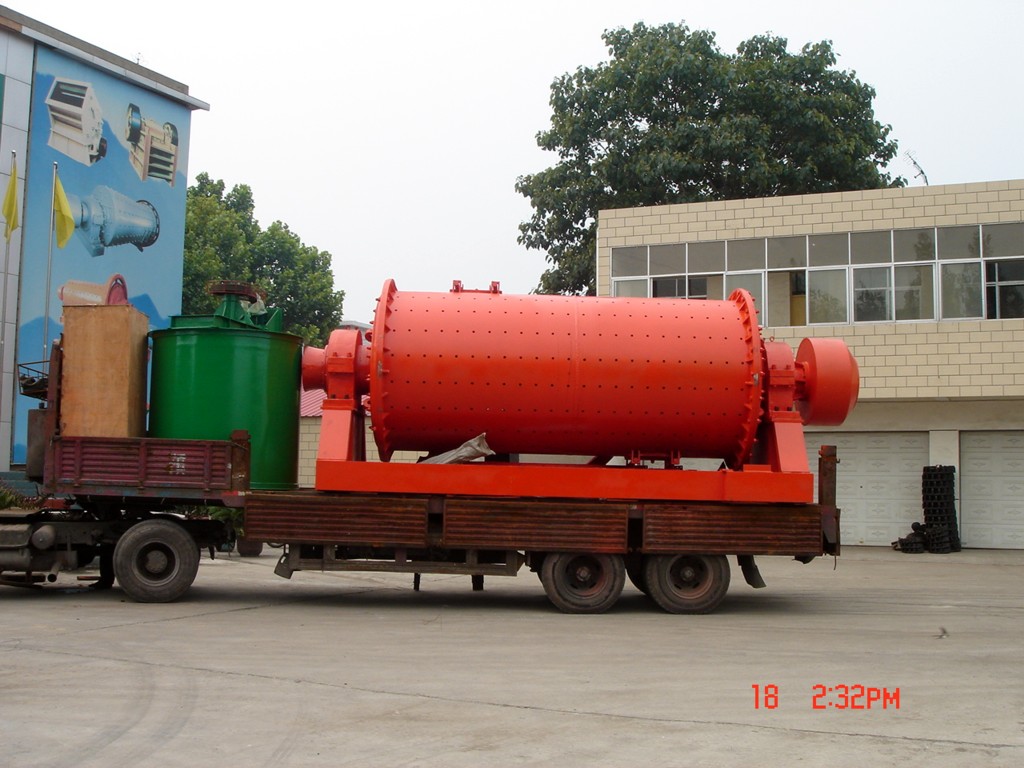
The primary advantage of the conical design is its inherent classification action, which leads to a higher efficiency compared to a straight cylindrical mill of the same size. It can handle a wider range of feed sizes and often produces a more uniformly graded product. However, they can be more complex to maintain due to their shape, and the liners in the conical section may experience different wear patterns.
Modern Alternatives and Recommendations
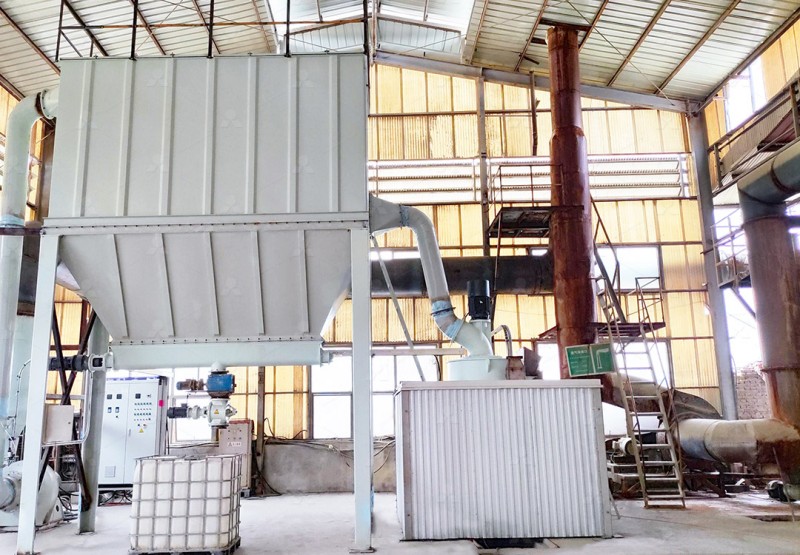
While conical ball mills are effective, modern mineral processing often demands even finer grinding and higher efficiency. For operations requiring ultra-fine powder (325-2500 meshes) with higher yields and significantly lower energy consumption, our MW Ultrafine Grinding Mill presents a superior alternative. It operates on a different principle, utilizing a ring and roller system driven by a central shaft. A critical advantage is that there are no rolling bearings or screws in the grinding chamber, eliminating common failure points and allowing for external lubrication without shutdown. This design, coupled with an efficient pulse dust collector, makes it an exceptionally reliable and eco-friendly choice for producing high-value fine powders for industries like chemicals, paints, and cosmetics.
Furthermore, for applications involving non-metallic minerals or slag that require integrated drying and grinding, our LM Vertical Grinding Mill is an excellent choice. It integrates crushing, drying, grinding, classifying and conveying together, reducing its footprint by 50% and saving energy consumption by 30%-40% compared to a traditional ball mill system. Its stable operation and negative pressure system ensure a dust-free environment.
In conclusion, the conical ball mill remains a fundamental tool in comminution. Its principle of operation—cascading grinding media combined with mechanical classification—is timeless. However, by understanding its operation and being aware of advanced alternatives like the MW and LM series mills, operators can make informed decisions to optimize their grinding circuits for efficiency, cost, and product quality.