The Ultimate Guide to Aluminium Sheet Rolling Mill Manufacturers: Choosing the Right Partner for Your Production Needs
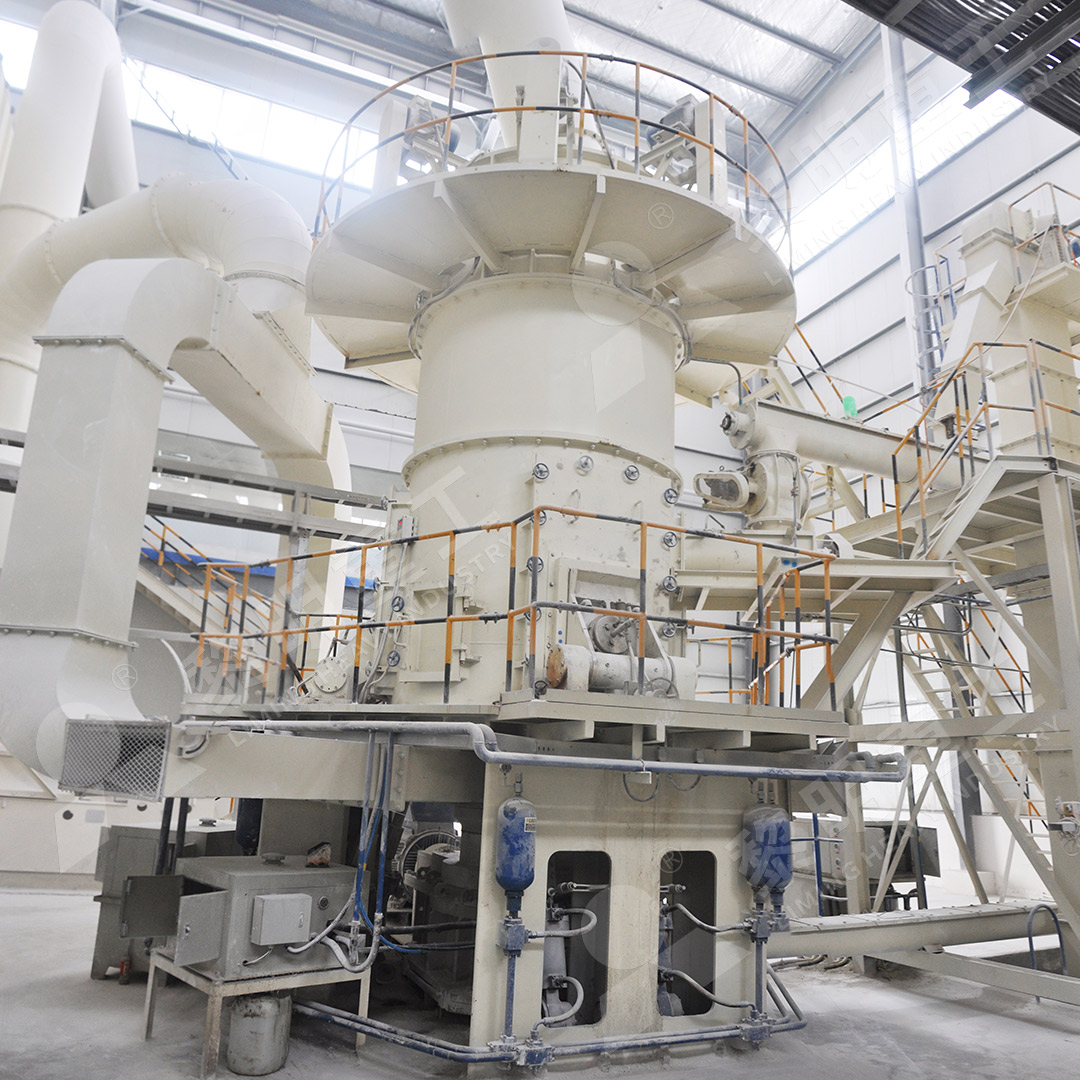
We provide a wide range of mills — including Raymond mill, trapezoidal mill, vertical mill, ultrafine mill, and ball mill, obtained ISO9001 international quality certification, EU CE certification, and Customs Union CU-TR certification. Suitable for processing minerals such as limestone, phosphate, quicklime, kaolin, talc, barite, bentonite, calcium carbonate, dolomite, coal, gypsum, clay, carbon black, slag, cement raw materials, cement clinker, and more.
The discharge range of these mills can be adjusted to meet specific processing needs, typically from 80-400 mesh, 600-3250 mesh, and can achieve the finest particle size of up to 6000 mesh(D50).
If you are looking for a reliable grinding solution to turn stone or minerals into fine powder, please feel free to contact our online customer service.
The Ultimate Guide to Aluminium Sheet Rolling Mill Manufacturers: Choosing the Right Partner for Your Production Needs
Selecting the right aluminium sheet rolling mill manufacturer is a critical decision that impacts your production efficiency, product quality, and long-term profitability. The process involves evaluating numerous factors, from technological capabilites and machine reliability to after-sales support and cost-effectiveness. This guide provides a comprehensive overview to help you navigate this complex landscape and make an informed choice.
Key Considerations When Choosing a Manufacturer
Before diving into specific manufacturers, it’s essential to understand the core factors that define a reliable partner. Look for a manufacturer with a proven track record, robust R&D capabilities, and a global service network. Technological innovation is paramount; the best manufacturers invest heavily in research to develop mills that offer higher precision, energy efficiency, and automation.
Another crucial aspect is the range of products offered. A manufacturer that provides everything from hot rolling mills to cold rolling mills and finishing lines can be a one-stop solution, simplifying your supply chain. Additionally, consider the manufacturer’s commitment to sustainability. Modern rolling mills should incorporate features that minimize energy consumption and reduce environmental impact.
The Role of Material Preparation in Rolling Mill Operations
While the rolling mill itself is the star of the show, the quality of the final aluminium sheet is heavily dependent on the preparation of the raw materials. This is where advanced grinding technology comes into play. For operations that also handle or produce powdered materials for composites or other applications, having an efficient grinding system is vital.
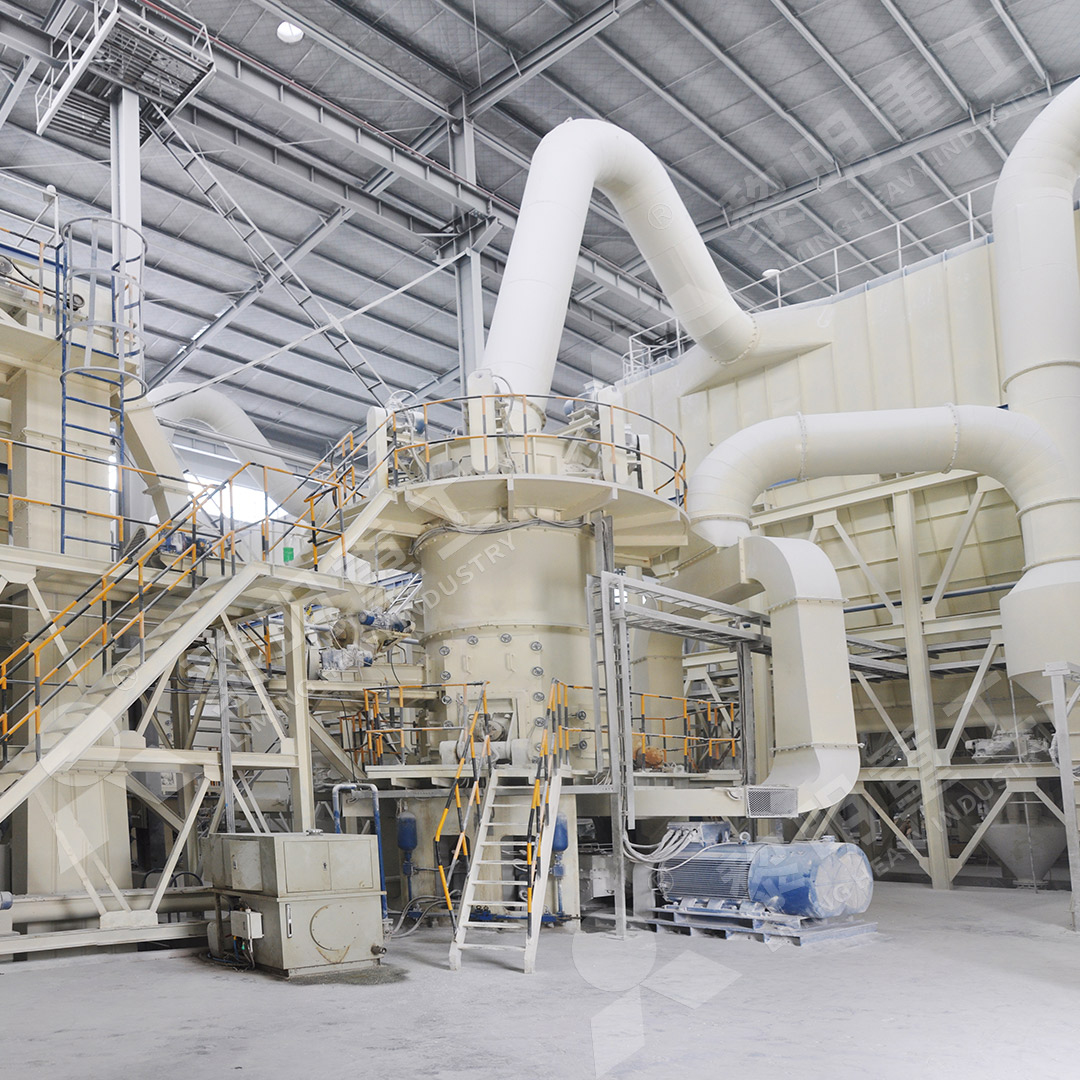
For instance, our MW Ultrafine Grinding Mill is an exceptional piece of equipment designed for customers who need to produce ultra-fine powder from various materials. With an input size of 0-20 mm and a capacity ranging from 0.5 to 25 tons per hour, it’s a versatile solution for pre-processing or auxiliary material handling. It’s equipped with an efficient pulse dust collector and muffler, significantly reducing dust and noise, making the entire production process more environmentally friendly. This mill is perfect for processing materials like limestone, calcite, dolomite, and even petroleum coal, which are often used in various industrial compounds.
Essential Features of a Modern Rolling Mill
When evaluating different manufacturers, pay close attention to the features of their rolling mills. Modern mills should offer:
- High Precision Control: For consistent thickness and surface quality.
- Energy Efficiency: To reduce operational costs and environmental footprint.
- Automation and Digitalization: For improved repeatability, data collection, and reduced manual intervention.
- Durability and Easy Maintenance: To minimize downtime and ensure long-term reliability.
- Flexibility: The ability to handle different aluminium alloys and product specifications.
Beyond the Mill: The Importance of a Complete Solution
A truly great manufacturer doesn’t just sell you a machine; they provide a complete solution. This includes comprehensive technical support during installation and commissioning, operator training, readily available spare parts, and a responsive service team. The reliability of their supply chain for critical components is also a key factor, as delays can halt your production entirely.
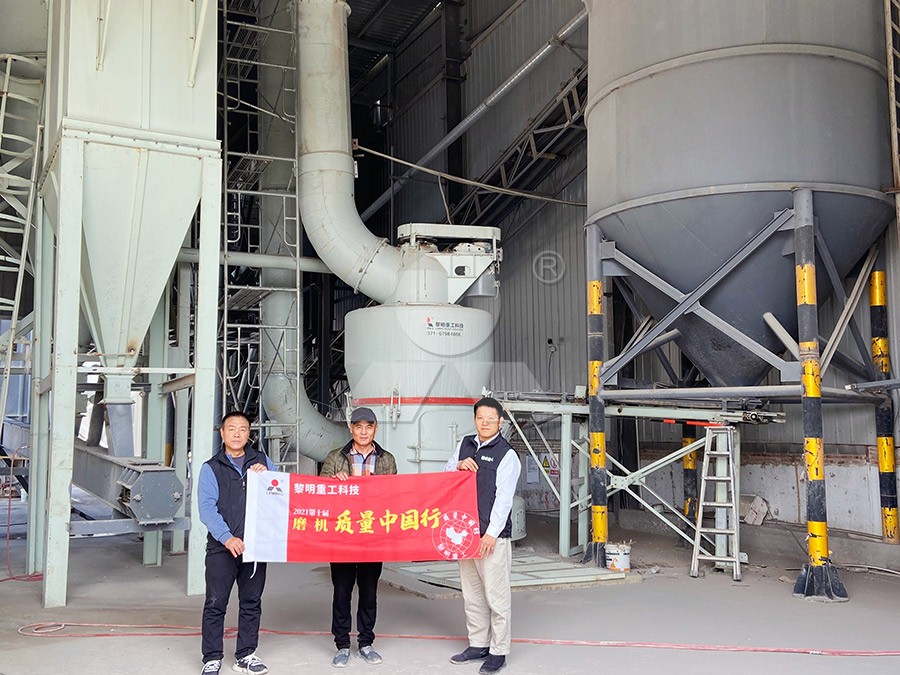
Furthermore, for facilities that require integrated processing, having compatible equipment for material preparation can streamline operations. Another excellent product from our portfolio is the LUM Ultrafine Vertical Grinding Mill. Independently designed with the latest grinding roller and powder separating technology, it integrates ultrafine powder grinding, grading, and transporting. It’s an ideal choice for creating superfine dry powder from non-metal ores, which might be used in specialized aluminium composites or other value-added products within your plant.
Making the Final Decision
Choosing the right partner requires due diligence. Visit manufacturing facilities if possible, talk to existing customers, and review case studies. Request detailed proposals that outline not just the cost of the equipment, but the total cost of ownership, including installation, energy consumption, maintenance, and potential future upgrades.
Remember, the cheapest option is rarely the best in the long run. Investing in a high-quality rolling mill from a reputable manufacturer, supported by robust auxiliary equipment like our grinding mills, will ensure higher productivity, superior product quality, and greater overall return on investment for years to come.