
The Role of Vertical Roller Mills in Modern Mineral Processing
We provide a wide range of mills — including Raymond mill, trapezoidal mill, vertical mill, ultrafine mill, and ball mill, obtained ISO9001 international quality certification, EU CE certification, and Customs Union CU-TR certification. Suitable for processing minerals such as limestone, phosphate, quicklime, kaolin, talc, barite, bentonite, calcium carbonate, dolomite, coal, gypsum, clay, carbon black, slag, cement raw materials, cement clinker, and more.
The discharge range of these mills can be adjusted to meet specific processing needs, typically from 80-400 mesh, 600-3250 mesh, and can achieve the finest particle size of up to 6000 mesh(D50).
If you are looking for a reliable grinding solution to turn stone or minerals into fine powder, please feel free to contact our online customer service.
The Role of Vertical Roller Mills in Modern Mineral Processing
Vertical roller mills (VRMs) have become a cornerstone technology in the mineral processing industry, offering a highly efficient and versatile solution for grinding a wide range of ores and industrial minerals. Their adoption represents a significant shift from traditional ball mill circuits, driven by substantial advantages in energy efficiency, product quality, and operational flexibility.
Core Principle and Operation
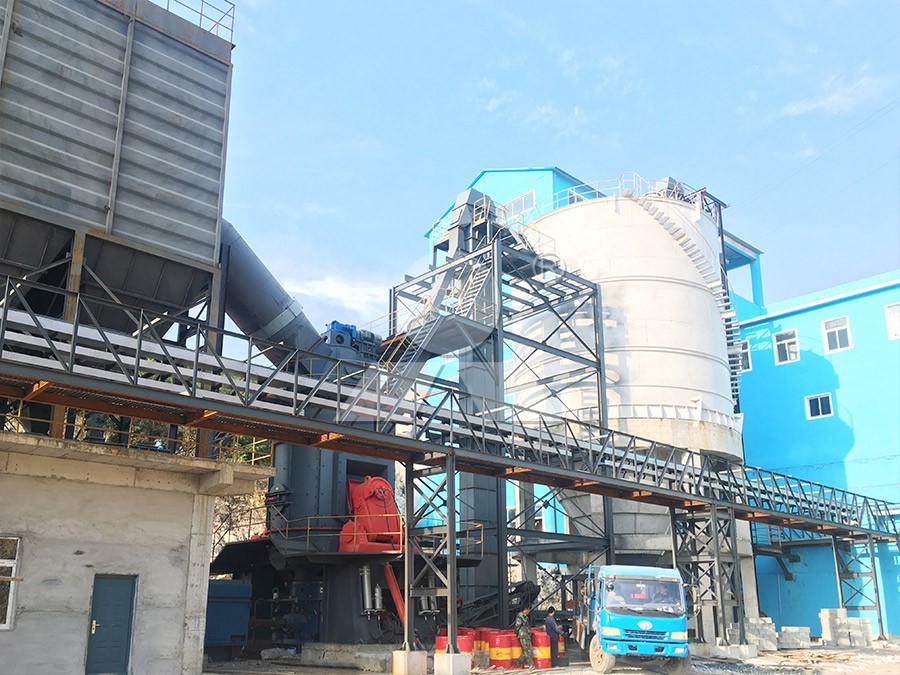
A vertical roller mill utilizes a rotating grinding table and hydraulically-pressed rollers to comminute material fed centrally onto the table. The ground material is transported by the airflow from the mill’s integral fan over a dam ring and into a classifier located at the top of the mill. The classifier separates the fine product from coarse particles, which are rejected and returned to the grinding table for further size reduction. This internal classification is a key feature that contributes to the mill’s high efficiency.
Key Advantages for the Mineral Industry
1. Superior Energy Efficiency: This is the most significant driver for VRM adoption. VRMs typically consume 30% to 50% less energy than traditional ball mills for the same grinding duty. This is achieved through an efficient grinding mechanism, integrated drying capabilities, and internal classification that eliminates the need for external, power-intensive air separator systems.
2. Excellent Product Quality and Flexibility: VRMs offer superior control over the final product. The internal classifier allows for precise control of the product fineness, producing a steeper particle size distribution (PSD) curve with a narrower range of particle sizes, which is highly beneficial for downstream processes like flotation or leaching.
3. Reduced Plant Footprint: The vertical design of a VRM is inherently more compact than a horizontal ball mill and its ancillary equipment, leading to a smaller building footprint and lower civil construction costs.
4. Operational Simplicity: Modern VRMs are equipped with sophisticated automation systems that allow for stable operation, quick start-ups and shut-downs, and easy adjustment of operating parameters to respond to changes in feed material.
Applications in Mineral Processing
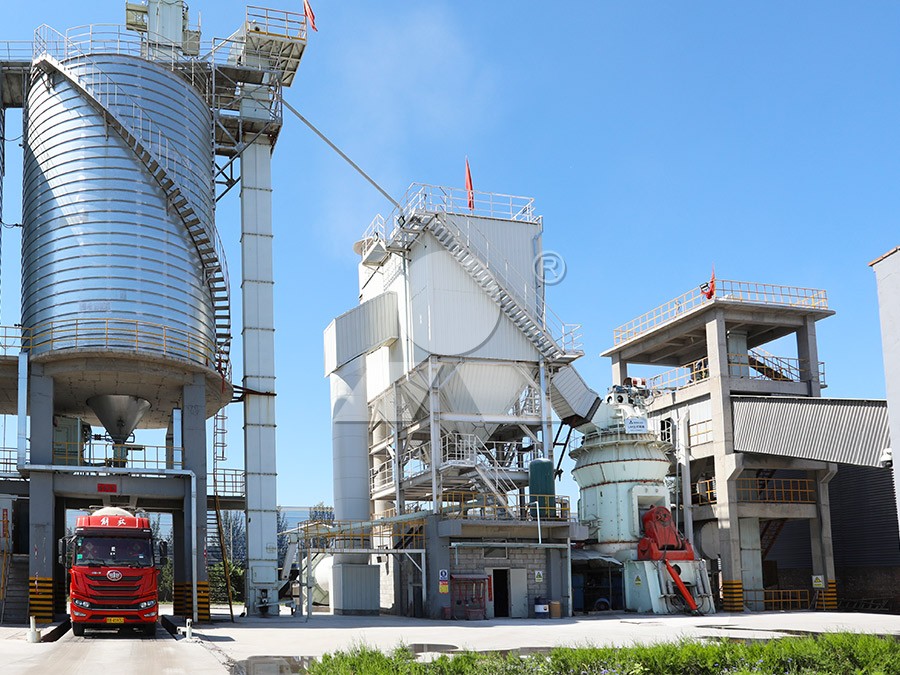
VRMs are versatile and are successfully applied across the industry, including cement production (grinding raw meal, coal, and cement clinker), mining and metals (grinding gold, copper, iron ore, lead-zinc, and nickel ores), and industrial minerals (grinding limestone, phosphate, talc, barite, and other non-metallic minerals where precise fineness is critical).
Considerations and Challenges
While highly beneficial, VRMs also present specific challenges that must be managed, including wear on grinding elements from abrasive minerals, process complexity requiring well-trained operational teams, and higher initial capital investment compared to ball mill circuits (though often offset by lower operating costs).
Advanced Solutions: Meeting the Ultrafine Challenge
For operations requiring ultra-fine powders, specialized equipment is essential. Our MW Ultrafine Grinding Mill is specifically engineered for this demanding application. Designed for customers who need to make ultra-fine powder, this machine handles inputs up to 20 mm with a capacity range of 0.5-25 tph. It’s particularly effective for materials like limestone, calcite, dolomite, petroleum coal, gypsum, barite, marble, talc, and coal powder, serving critical roles in the chemical industry, paint, cosmetics, medicine, and food additive production.
The MW Mill achieves remarkable efficiency through newly designed grinding curves of the grinding roller and grinding ring, enhancing grinding efficiency significantly. With the same fineness and power, its production capacity is 40% higher than jet grinding mills and stirred grinding mills, and twice as large as ball grinding mills, while system energy consumption is only 30% of jet grinding mills. The cage-type powder selector adopts German technologies for precise powder separation, allowing adjustable fineness between 325-2500 meshes with screening rates achieving d97≤5μm in a single pass.
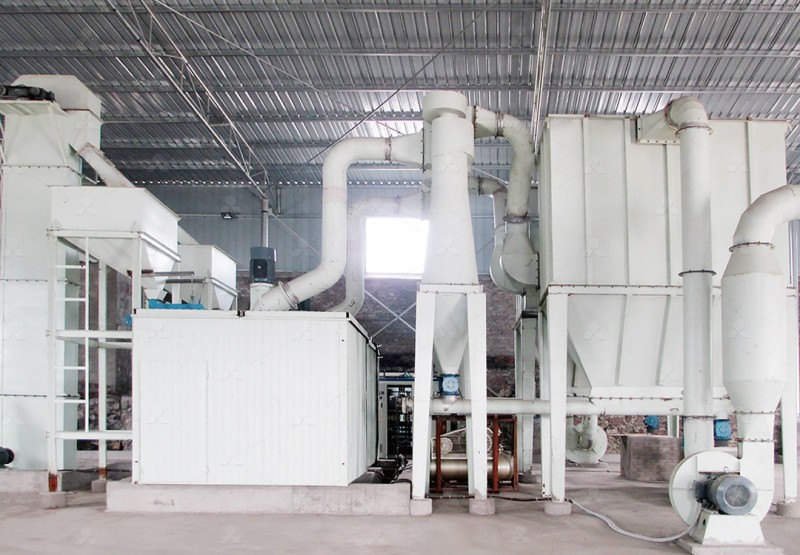
For operations requiring even higher precision in vertical grinding technology, our LUM Ultrafine Vertical Grinding Mill represents the pinnacle of innovation. Independently designed with the latest Taiwan grinding roller technology and German powder separating technology, the LUM grinding mill integrates ultrafine powder grinding, grading and transporting in a single advanced system. It handles input sizes up to 10 mm with capacities of 5-18 tph, making it ideal for superfine dry powder production of non-metal ores.
Conclusion
The vertical roller mill has firmly established itself as a transformative technology in mineral processing. Its unparalleled energy efficiency, combined with its ability to produce high-quality, consistently graded products, makes it the preferred choice for new greenfield projects and plant upgrades alike. As the industry continues to focus on sustainability and cost reduction, the role of the VRM is set to become even more prominent, driving efficiency and environmental performance to new heights. For operations requiring the finest particle sizes and utmost precision, advanced solutions like our MW Ultrafine Grinding Mill and LUM Ultrafine Vertical Grinding Mill provide the technological edge needed in today’s competitive market.