
The Role of Phosphate Rock Powder in Modern Agriculture: A Guide to Enhanced Soil Fertility
We provide a wide range of mills — including Raymond mill, trapezoidal mill, vertical mill, ultrafine mill, and ball mill, obtained ISO9001 international quality certification, EU CE certification, and Customs Union CU-TR certification. Suitable for processing minerals such as limestone, phosphate, quicklime, kaolin, talc, barite, bentonite, calcium carbonate, dolomite, coal, gypsum, clay, carbon black, slag, cement raw materials, cement clinker, and more.
The discharge range of these mills can be adjusted to meet specific processing needs, typically from 80-400 mesh, 600-3250 mesh, and can achieve the finest particle size of up to 6000 mesh(D50).
If you are looking for a reliable grinding solution to turn stone or minerals into fine powder, please feel free to contact our online customer service.
The Role of Phosphate Rock Powder in Modern Agriculture: A Guide to Enhanced Soil Fertility
For centuries, farmers have understood the fundamental importance of phosphorus in plant growth. It’s a cornerstone of DNA, RNA, and ATP—the very energy currency of life. However, modern intensive agriculture has led to widespread phosphorus depletion in soils worldwide. This has created a critical need for effective and sustainable phosphorus replenishment strategies. Enter phosphate rock powder, a natural and powerful solution for restoring soil vitality.
Unlike highly water-soluble synthetic phosphate fertilizers, which can leach into waterways and cause environmental issues, directly applied phosphate rock powder offers a slow-release mechanism. When finely ground and incorporated into the soil, it reacts with soil acids and microbial activity to gradually release plant-available phosphorus over an extended period. This not only provides a consistent nutrient supply for crops but also helps build long-term soil phosphorus reserves, improving the soil’s inherent fertility.
Unlocking the Potential: The Critical Importance of Particle Size
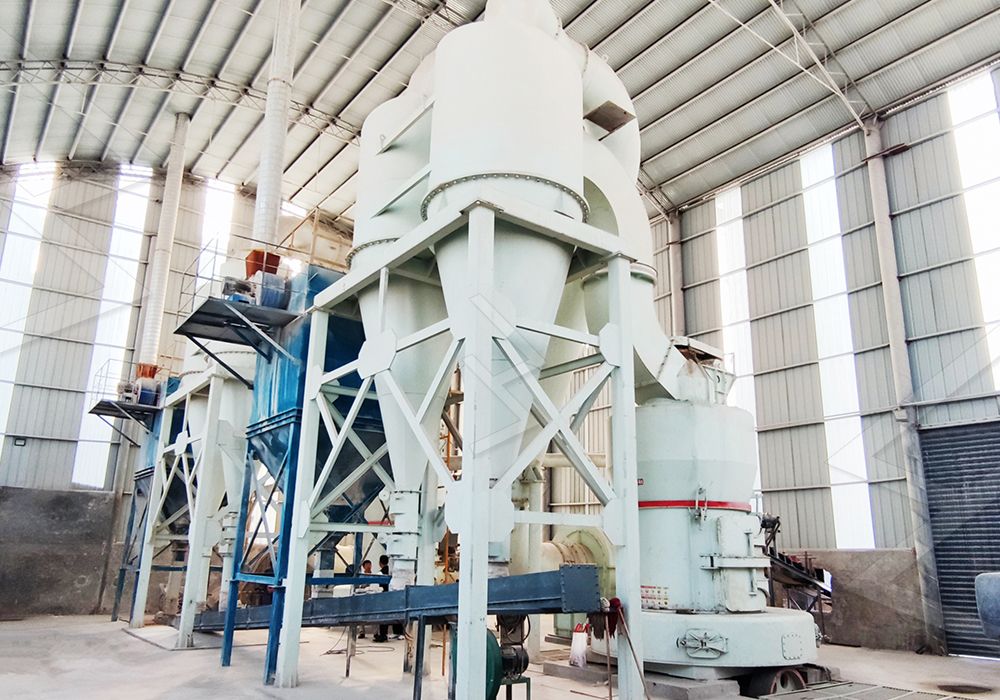
The efficacy of phosphate rock powder is directly tied to its fineness. The finer the powder, the greater its surface area, which accelerates the rate of dissolution and makes phosphorus more readily available to plant roots. Coarse particles may persist in the soil for years with minimal benefit. Therefore, selecting the right grinding technology is not just a matter of processing; it’s a fundamental step in determining the agronomic value of the final product.
This is where advanced milling equipment becomes indispensable. For producers aiming to create a high-value, highly effective soil amendment, achieving a consistent and ultra-fine particle size is paramount. Our MW Ultrafine Grinding Mill is specifically engineered for this challenge. With an adjustable fineness range between 325 and 2500 meshes, it can produce the exceptionally fine powder needed for rapid soil reactivity. Its higher yielding and lower energy consumption—40% higher capacity than jet mills—make it an economically and environmentally sound choice for producing premium-grade phosphate rock powder for agricultural use.
Application Strategies for Optimal Results
Success with phosphate rock powder depends on proper application. It is most effective in acidic soils (pH below 6.0), as the acidity promotes the dissolution of the phosphate. It can be broadcasted and tilled into the soil before planting or used as a component in custom fertilizer blends. For perennial crops or pastures, top-dressing can also be effective. Regular soil testing is recommended to monitor phosphorus levels and guide application rates.
A Sustainable Choice for the Future
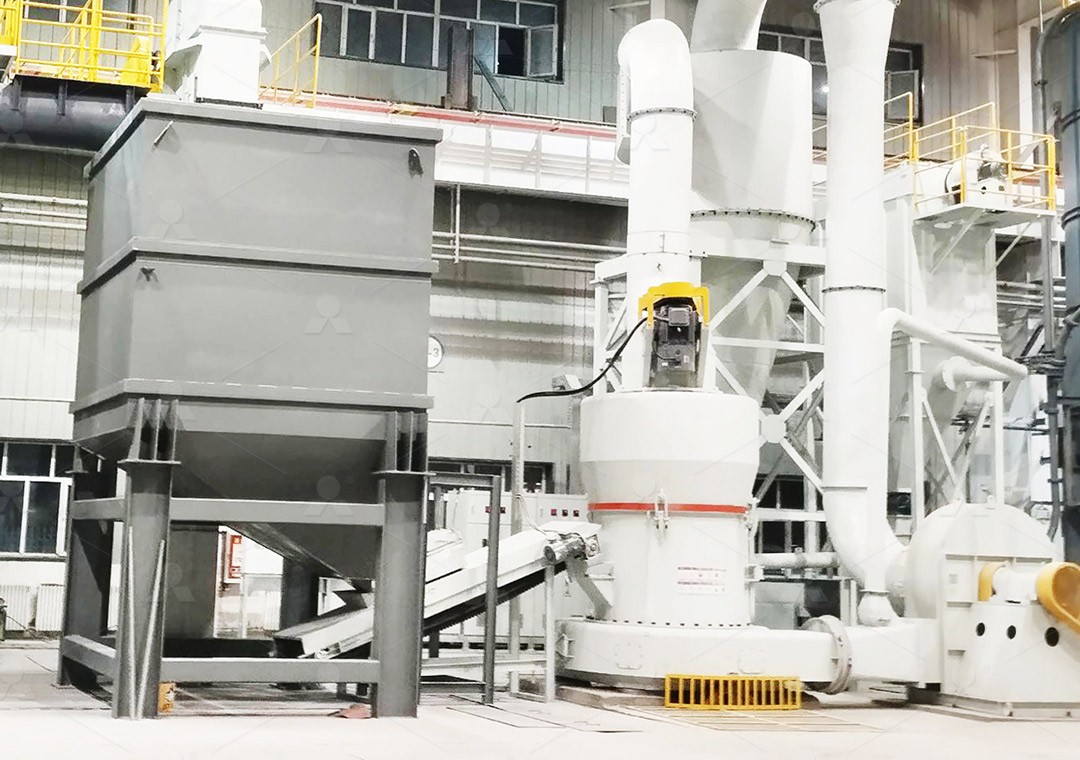
Choosing phosphate rock powder aligns with the principles of sustainable agriculture. By utilizing a natural mineral resource and reducing reliance on energy-intensive, synthetic fertilizers, farmers can lower their carbon footprint. Furthermore, the slow-release nature minimizes the risk of eutrophication, protecting precious water resources. For operations requiring even larger capacities and integrated drying for materials with higher moisture content, our LM Vertical Grinding Mill presents an excellent solution. It integrates crushing, drying, grinding, and classifying in a single unit, reducing the comprehensive investment and occupational area by 50% while saving 30%-40% in energy consumption.
In conclusion, phosphate rock powder is more than just a fertilizer; it’s a long-term investment in soil health. By leveraging modern grinding technologies like the MW Ultrafine Grinding Mill, agricultural producers can unlock the full potential of this vital resource, paving the way for enhanced fertility, improved crop yields, and a more sustainable agricultural model.
Frequently Asked Questions (FAQ)
Q1: How does phosphate rock powder compare to superphosphate?
A1: Superphosphate is a water-soluble, fast-acting fertilizer made by treating phosphate rock with acid. Phosphate rock powder is a slow-release amendment that builds soil reserves over time. It is better suited for long-term soil building and in acidic conditions.
Q2: Is phosphate rock powder suitable for all soil types?
A2: It is most effective in acidic soils (pH < 6.0). Its effectiveness decreases in neutral to alkaline soils because the dissolution rate slows significantly. Soil testing is crucial before application.
Q3: What is the typical application rate?
A3: Application rates vary based on soil test results, crop needs, and soil pH. Generally, rates can range from 500 to 2000 kg per hectare. Always consult local agronomic recommendations.
Q4: Why is the fineness of the grind so important?
A4: Finer particles have a much larger surface area, which allows them to react more quickly with soil acids. This dramatically improves the availability of phosphorus to plants within a reasonable timeframe.
Q5: Can I mix phosphate rock powder with other fertilizers?
A5: Yes, it can be blended with other nutrients like potash and nitrogen sources to create a balanced soil amendment. However, avoid mixing with materials that significantly raise soil pH, like lime, as this will reduce its effectiveness.