
The Role of Chemical Grinding Aids in Cement Production: Composition & Benefits
We provide a wide range of mills — including Raymond mill, trapezoidal mill, vertical mill, ultrafine mill, and ball mill, obtained ISO9001 international quality certification, EU CE certification, and Customs Union CU-TR certification. Suitable for processing minerals such as limestone, phosphate, quicklime, kaolin, talc, barite, bentonite, calcium carbonate, dolomite, coal, gypsum, clay, carbon black, slag, cement raw materials, cement clinker, and more.
The discharge range of these mills can be adjusted to meet specific processing needs, typically from 80-400 mesh, 600-3250 mesh, and can achieve the finest particle size of up to 6000 mesh(D50).
If you are looking for a reliable grinding solution to turn stone or minerals into fine powder, please feel free to contact our online customer service.
The Role of Chemical Grinding Aids in Cement Production: Composition & Benefits
In the highly competitive and energy-intensive world of cement production, maximizing efficiency is paramount. One of the most effective strategies for optimizing the grinding process—a stage that consumes a significant portion of a plant’s total energy—is the use of chemical grinding aids. These specialized additives are engineered to enhance mill performance, reduce energy consumption, and improve the quality of the final cement product.
What Are Grinding Aids?
Grinding aids are organic compounds that are added to the clinker and gypsum during the fine grinding process in cement mills. Typically introduced in very small dosages (often between 0.01% and 0.03% of the feed weight), they work by reducing the surface energy of the particles being ground. This action prevents particle agglomeration and neutralizes electrostatic charges, which cause fine particles to stick to the grinding media and mill liners. The primary result is a more efficient grinding environment where energy is directed toward size reduction rather than overcoming these counterproductive forces.
Key Compositions
While formulations are often proprietary, most commercial grinding aids are based on a combination of the following chemicals:
- Amines and Alkanolamines: Such as triethanolamine (TEA), are widely used for their ability to adsorb onto cement particle surfaces.
- Glycols: Including ethylene glycol and diethylene glycol, help in reducing viscosity and improving material flow.
- Acetic Acid Salts: Such as sodium acetate, can act as performance enhancers.
- Lignosulfonates: A by-product of the paper industry, used for their dispersing properties.
Modern aids are sophisticated blends that may also incorporate functional additives to control setting time or enhance the early strength of the cement.
Multifaceted Benefits for Cement Producers
The implementation of grinding aids delivers a powerful return on investment through several key benefits:
1. Significant Energy Reduction
By preventing the re-agglomeration of fine particles, grinding aids allow for a more efficient transfer of energy. This can lead to a reduction in specific energy consumption of the mill by 10% to 30%, a substantial saving given that grinding can account for over 40% of a plant’s electrical energy use.
2. Increased Mill Throughput
With the grinding process optimized, mills can achieve a higher output for the same energy input. Alternatively, producers can maintain the same output at a lower energy cost. This directly enhances production capacity and reduces the cost per ton of cement produced.
3. Improved Product Quality
Grinding aids promote a narrower and more uniform particle size distribution (PSD). A optimized PSD improves the packing density of the cement, which can enhance its workability, water demand, and ultimately, its compressive strength development.
4. Reduced Pack Set & Improved Flowability
By mitigating the static charges that cause fine powders to clump, grinding aids reduce pack set in silos and improve the flowability of cement. This makes handling, transportation, and packaging easier and more efficient.
Synergy with Advanced Grinding Technology
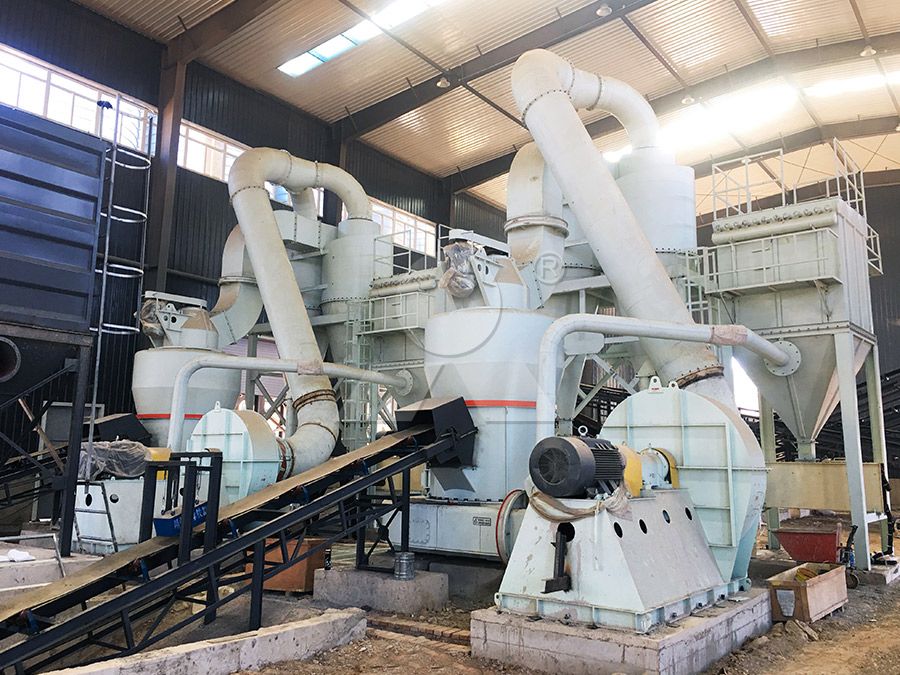
The effectiveness of chemical grinding aids is amplified when paired with modern, high-efficiency grinding equipment. For operations looking to push the boundaries of ultrafine grinding and energy savings, our MW Ultrafine Grinding Mill is an ideal solution.
This mill is engineered for customers requiring ultra-fine powder (adjustable between 325-2500 meshes) with exceptional efficiency. Its design features, such as the German-technology cage-type powder selector and the absence of rolling bearings and screws in the grinding chamber, eliminate common failure points and allow for 24/7 operation. With a capacity range of 0.5-25 TPH and a system energy consumption that is only 30% of a jet mill, the MW Mill, when used in conjunction with quality grinding aids, represents the pinnacle of efficient powder production. It is perfectly suited for processing limestone, calcite, and other materials common in cement and industrial mineral applications.
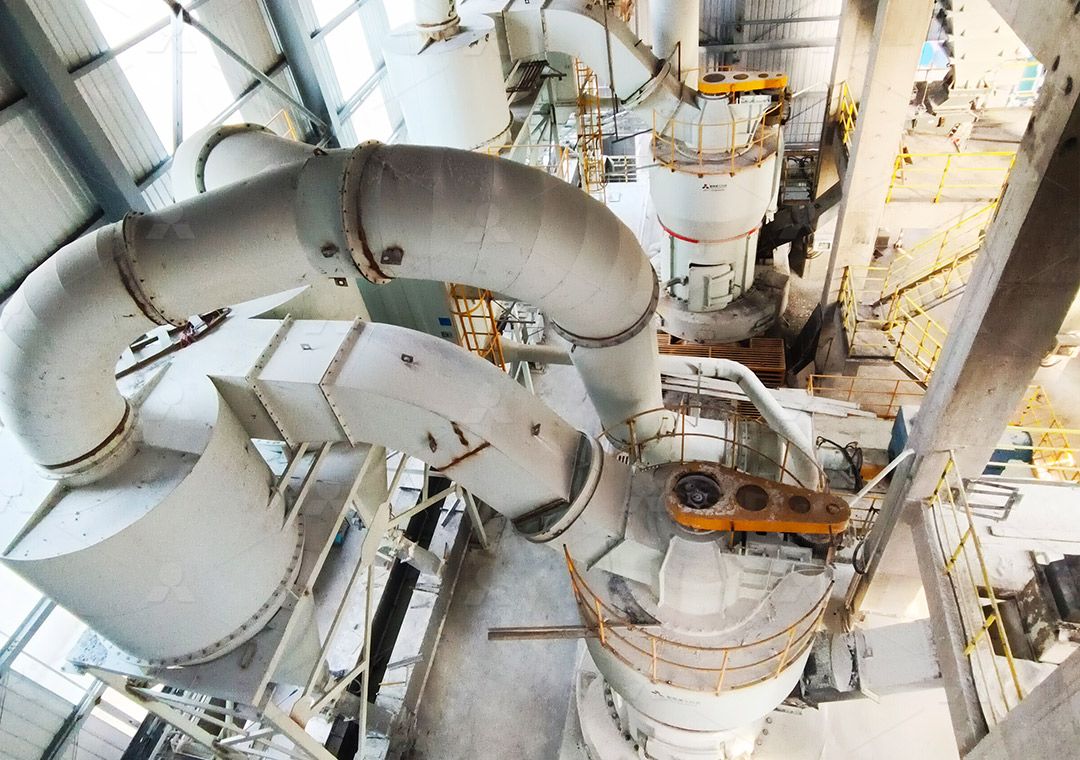
For larger scale vertical grinding needs, our LUM Ultrafine Vertical Grinding Mill integrates the latest grinding roller and powder separating technology. It offers remarkable energy savings of 30%-50% compared to ordinary mills and features innovative designs like double position-limiting technology for unparalleled operational stability and a reversible structure for easier maintenance.
Conclusion
Chemical grinding aids are no longer a luxury but a necessity for modern cement plants aiming to stay competitive. They are a low-cost, high-impact tool that directly addresses the core challenges of energy consumption, production capacity, and product quality. When integrated with a high-performance grinding circuit like our MW or LUM mills, producers can unlock unprecedented levels of efficiency and operational excellence.
Frequently Asked Questions (FAQ)
Q: Are grinding aids safe to use in cement that will contact drinking water?
A: Many grinding aid formulations are certified to meet international standards for use in cement for potable water contact, such as NSF/ANSI 61. Always check the certification of the specific product.
Q: Can grinding aids negatively affect the setting time of cement?
A: Pure grinding aids are designed to primarily affect the grinding process. However, some functionalized aids are specifically formulated to also control setting time. It is crucial to select the right product for your specific clinker and process requirements.
Q: How are grinding aids typically fed into the mill?
A: They are usually injected into the mill as a liquid via a calibrated dosing pump, ensuring a precise and consistent feed rate proportional to the mill feed.
Q: Do the benefits of grinding aids apply to all types of mills?
A: While they are most commonly used in ball mills and vertical roller mills, they can be effective in most grinding systems. The degree of benefit may vary based on the mill’s operating principle and efficiency.