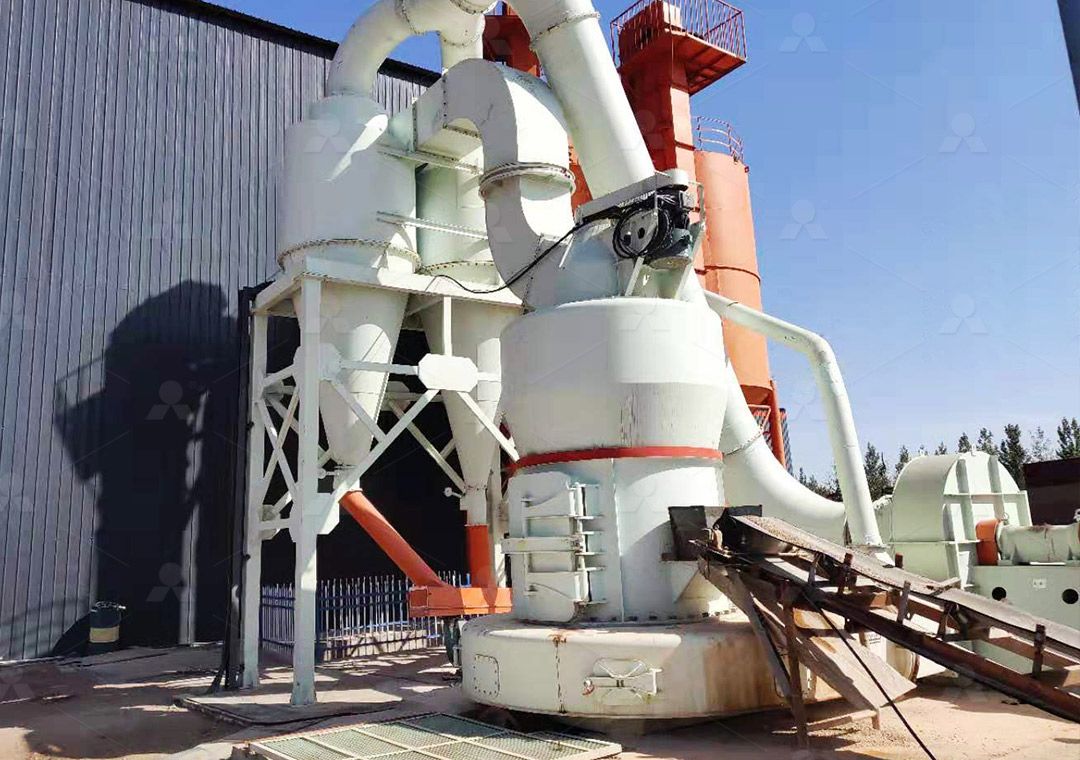
The Role of Aesthetics in Industrial Mill Finishing: Why Surface Quality Matters
We provide a wide range of mills — including Raymond mill, trapezoidal mill, vertical mill, ultrafine mill, and ball mill, obtained ISO9001 international quality certification, EU CE certification, and Customs Union CU-TR certification. Suitable for processing minerals such as limestone, phosphate, quicklime, kaolin, talc, barite, bentonite, calcium carbonate, dolomite, coal, gypsum, clay, carbon black, slag, cement raw materials, cement clinker, and more.
The discharge range of these mills can be adjusted to meet specific processing needs, typically from 80-400 mesh, 600-3250 mesh, and can achieve the finest particle size of up to 6000 mesh(D50).
If you are looking for a reliable grinding solution to turn stone or minerals into fine powder, please feel free to contact our online customer service.
The Unseen Engine of Value: Aesthetics in Industrial Grinding
In the world of industrial manufacturing, the conversation around milling and grinding often revolves around hard metrics: throughput capacity, particle size distribution, and energy consumption. While these are undeniably critical, there’s an often-overlooked aspect that silently dictates market preference, product value, and even operational efficiency: aesthetics and surface quality.
Why does the visual and tactile quality of a powder matter? It’s the first point of contact, the silent ambassador of your product’s quality. A consistent, ultra-fine, and contamination-free finish speaks volumes about precision, care, and technological advancement before a single technical datasheet is even consulted. In industries like cosmetics, high-end paints, and food additives, the aesthetic quality of the powder is not just a preference; it’s a prerequisite.
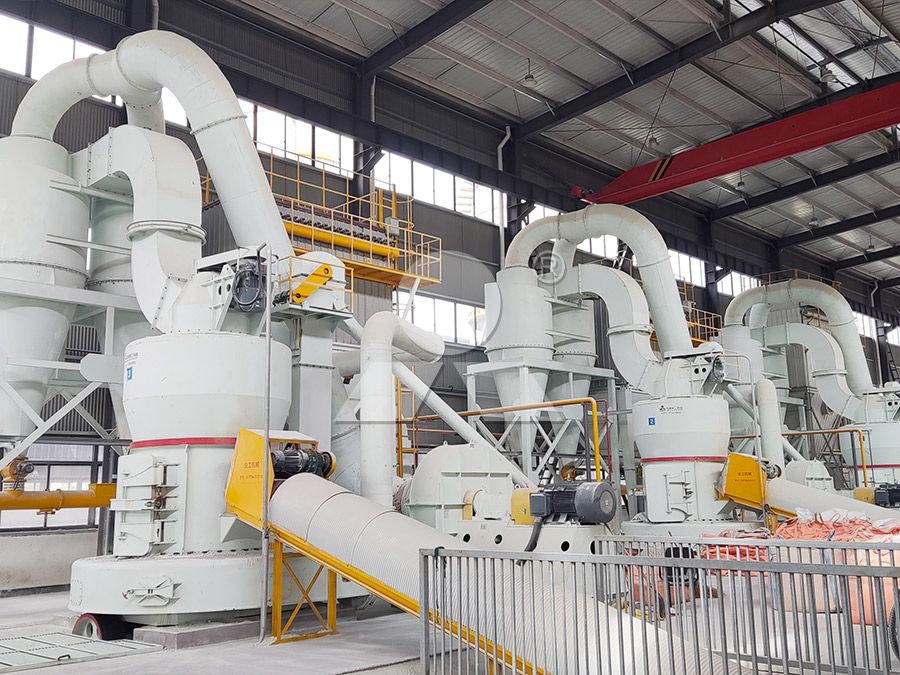
Beyond Looks: The Functional Power of a Perfect Finish
The pursuit of a superior surface finish is not merely vanity. It’s deeply intertwined with functionality. A powder with a consistent, predictable particle size and shape offers:
- Enhanced Reactivity: In chemical processes, a larger surface area allows for more efficient reactions.
- Superior Blendability: Consistent particles mix more uniformly, eliminating hotspots or inconsistencies in final products like pharmaceuticals or composites.
- Improved Flow Characteristics: This is crucial for automated packaging and handling systems, reducing clogging and downtime.
- Increased Product Whiteness & Purity: Advanced mills minimize iron contamination and mechanical wear, which is paramount for materials like marble or talc used in plastics and paints.
Achieving this level of quality requires more than just brute force; it demands engineering finesse. This is where the design of the grinding mill itself becomes the hero of the story. For operations where the utmost in fineness and purity is non-negotiable, the MW Ultrafine Grinding Mill stands out. Engineered for customers dedicated to making ultra-fine powder, its cage-type powder selector, based on German technology, allows for precise adjustment between 325-2500 meshes, achieving a remarkable screening rate of d97≤5μm in a single pass. Its unique design, free of rolling bearings and screws in the grinding chamber, virtually eliminates the risk of iron contamination from worn parts, directly contributing to a cleaner, brighter, and more aesthetically superior product.
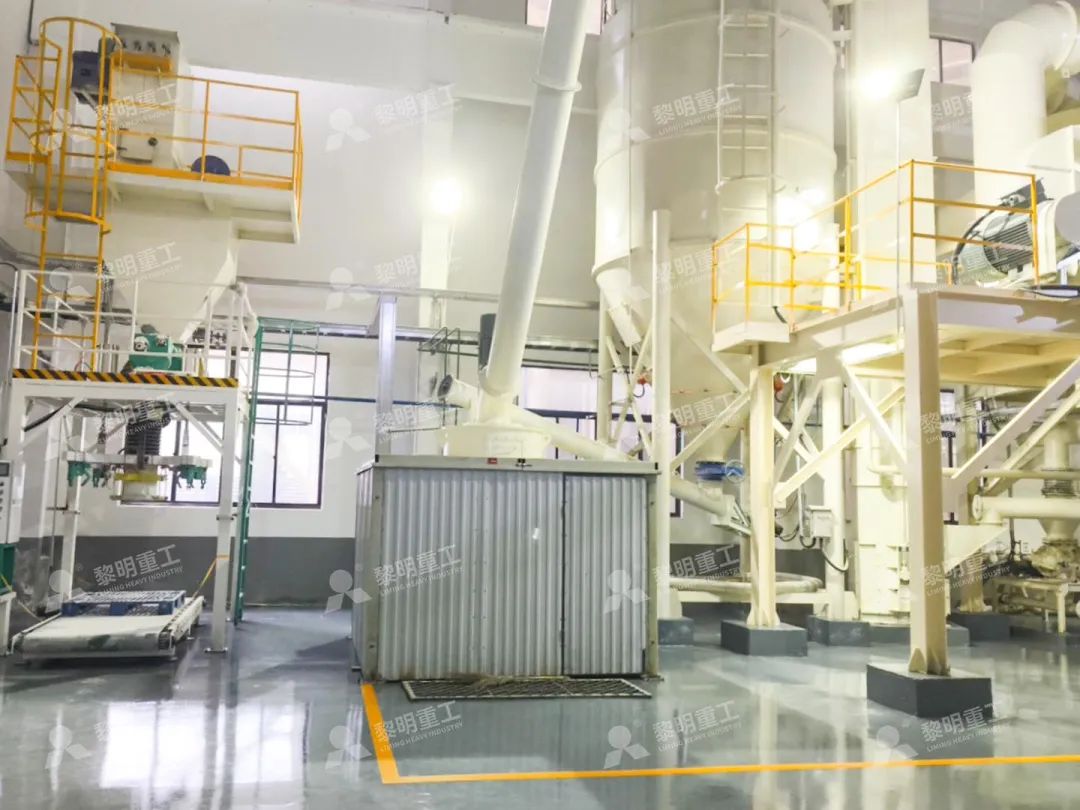
The Economic Aesthetic: How Surface Quality Impacts the Bottom Line
Investing in finishing quality is not an expense; it’s a strategic move. A mill that produces a higher-value powder allows you to command premium prices in sensitive markets. Furthermore, mills designed with aesthetics in mind often incorporate features that boost overall operational economy. For larger-scale production that demands integrated crushing, drying, and classifying, the LM Vertical Grinding Mill offers a compelling solution. Its ability to integrate multiple processes reduces the overall footprint by 50% and energy consumption by 30%-40% compared to ball mills. The short grinding time and minimal direct contact between grinding parts ensure a low iron content and high whiteness—key aesthetic indicators—while its fully sealed, negative-pressure system guarantees a dust-free, environmentally clean operation. This means the final product isn’t just beautiful; the process of creating it is too.
In conclusion, in the modern industrial landscape, surface quality is a critical differentiator. It is a tangible measure of technological capability and a direct driver of product performance and value. By choosing grinding technology that prioritizes precision, purity, and finish—like the MW series for ultra-fine applications or the LM series for large-scale, integrated projects—manufacturers can elevate their product from a commodity to a premium offering.