
The Manufacturing Process of Paint: Techniques and Applications of Ball Mills
We provide a wide range of mills — including Raymond mill, trapezoidal mill, vertical mill, ultrafine mill, and ball mill, obtained ISO9001 international quality certification, EU CE certification, and Customs Union CU-TR certification. Suitable for processing minerals such as limestone, phosphate, quicklime, kaolin, talc, barite, bentonite, calcium carbonate, dolomite, coal, gypsum, clay, carbon black, slag, cement raw materials, cement clinker, and more.
The discharge range of these mills can be adjusted to meet specific processing needs, typically from 80-400 mesh, 600-3250 mesh, and can achieve the finest particle size of up to 6000 mesh(D50).
If you are looking for a reliable grinding solution to turn stone or minerals into fine powder, please feel free to contact our online customer service.
The Manufacturing Process of Paint: Techniques and Applications of Ball Mills
The manufacturing of high-quality paint is a precise science, relying heavily on the efficient dispersion and grinding of pigments to achieve uniform color, texture, and consistency. At the heart of this process lies grinding technology, where equipment like traditional ball mills have long been industry staples. However, advancements in milling technology are revolutionizing production lines, offering superior efficiency, finer particle sizes, and enhanced environmental controls.
The Role of Grinding in Paint Production
Pigments, the essential colorants in paint, are typically supplied as agglomerates. The primary goal of the grinding process is to break these agglomerates down into their primary particles and distribute them evenly throughout the liquid vehicle (resin and solvents). This step is critical for achieving color strength, gloss development, and stability. Inadequate dispersion can lead to defects like poor color development, flooding, floating, and reduced shelf life.
Traditional Ball Milling: A Workhorse with Limitations
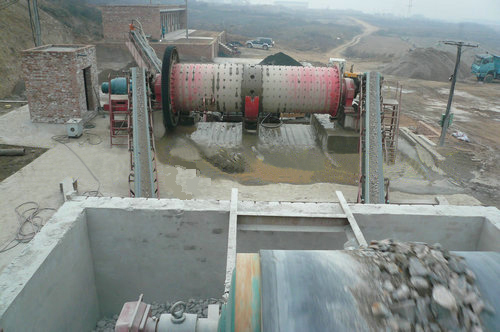
The ball mill is a classic piece of equipment for size reduction. It consists of a horizontal rotating cylinder (or shell) partially filled with grinding media, such as ceramic balls, flint pebbles, or stainless steel balls. The material to be ground is fed into the cylinder, and as it rotates, the tumbling action of the media impacts and shears the pigment agglomerates, reducing them to a fine powder.
While reliable, traditional ball mills have inherent drawbacks. They can be energy-intensive, require long milling times to achieve ultra-fine finishes, and generate significant heat and noise. Furthermore, achieving a consistent, narrow particle size distribution can be challenging, and cleaning between batches for color changes is often a time-consuming process.
Modern Advancements: Beyond the Ball Mill
The industry’s push for higher efficiency, finer powders, and greener operations has spurred the development of advanced grinding mills. For paint manufacturers seeking to produce ultra-fine powders for high-gloss finishes, specialty coatings, or advanced chemical applications, newer technologies offer compelling advantages.
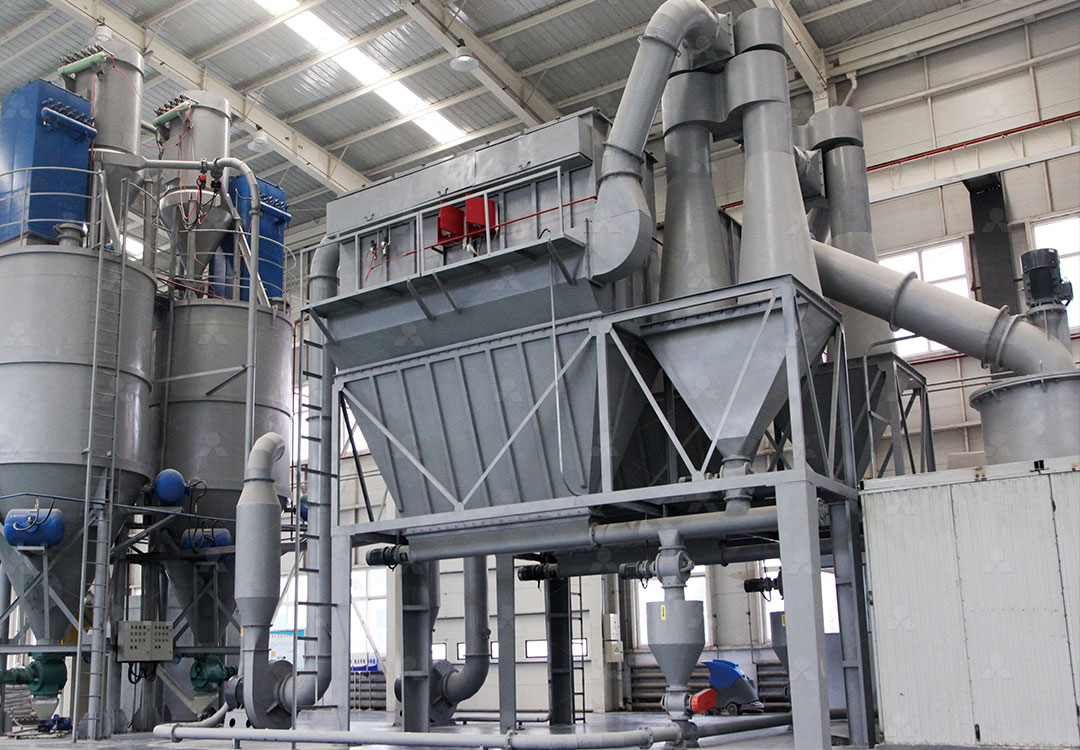
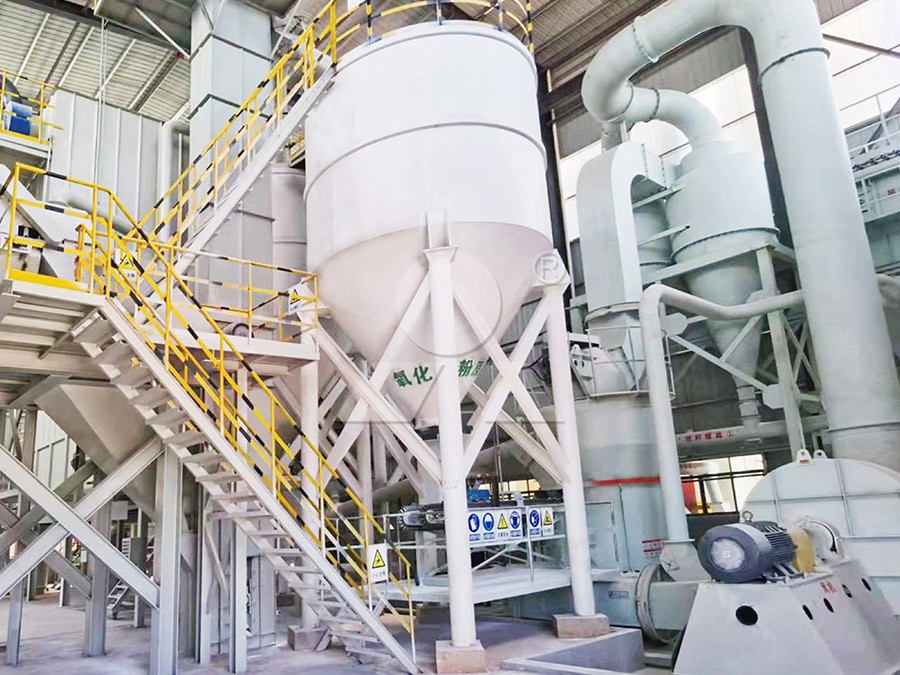
For instance, our MW Ultrafine Grinding Mill is engineered specifically for customers requiring ultra-fine powder. It addresses many limitations of older technologies. With an input size of 0-20 mm and a capacity range of 0.5-25 tph, it’s versatile for various production scales. Its design incorporates an efficient pulse dust collector and muffler, significantly reducing dust and noise pollution for a cleaner, safer, and more environmentally friendly operation—a crucial factor for modern manufacturing.
Why Choose Advanced Grinding for Your Paint Line?
The benefits of upgrading from a traditional system are substantial. Advanced mills like the MW series offer:
- Higher Yielding & Lower Energy Consumption: Newly designed grinding curves enhance efficiency, offering production capacity up to 40% higher than jet or stirred grinding mills while consuming only 30% of the energy.
- Adjustable Fineness: With the ability to adjust product fineness between 325-2500 meshes (achieving d97≤5μm), manufacturers have unparalleled control over the final product’s properties.
- Worry-Free Operation: Features like no rolling bearings or screws in the grinding chamber eliminate common failure points. External lubrication allows for 24/7 continuous production without shutdowns for maintenance.
Conclusion
While the ball mill remains a valid tool for certain applications, the future of paint manufacturing lies in high-efficiency, precision grinding solutions. Investing in advanced technology like the MW Ultrafine Grinding Mill translates to higher quality products, reduced operational costs, improved environmental compliance, and a stronger competitive edge. By understanding the entire grinding process and available technologies, manufacturers can optimize their operations for the demands of today’s market.