
The Main Sections of a Cement Ball Grinding Mill Explained
We provide a wide range of mills — including Raymond mill, trapezoidal mill, vertical mill, ultrafine mill, and ball mill, obtained ISO9001 international quality certification, EU CE certification, and Customs Union CU-TR certification. Suitable for processing minerals such as limestone, phosphate, quicklime, kaolin, talc, barite, bentonite, calcium carbonate, dolomite, coal, gypsum, clay, carbon black, slag, cement raw materials, cement clinker, and more.
The discharge range of these mills can be adjusted to meet specific processing needs, typically from 80-400 mesh, 600-3250 mesh, and can achieve the finest particle size of up to 6000 mesh(D50).
If you are looking for a reliable grinding solution to turn stone or minerals into fine powder, please feel free to contact our online customer service.
The Main Sections of a Cement Ball Grinding Mill Explained
Ever wondered what makes a cement ball mill tick? These industrial workhorses are crucial for grinding clinker and other materials into the fine powder we know as cement. While traditional ball mills are common, understanding their core sections helps appreciate the engineering behind them and the advancements in newer technologies. Let’s break down the main components.
1. The Feeding System
This is where it all begins. The feeding system, typically a spiral or scoop feeder, is responsible for introducing the raw material (clinker, gypsum, additives) into the mill. It ensures a consistent and controlled feed rate, which is vital for stable operation and preventing overload. A well-designed feeder minimizes spillage and helps maintain optimal mill performance.
2. The Grinding Chamber & Liners
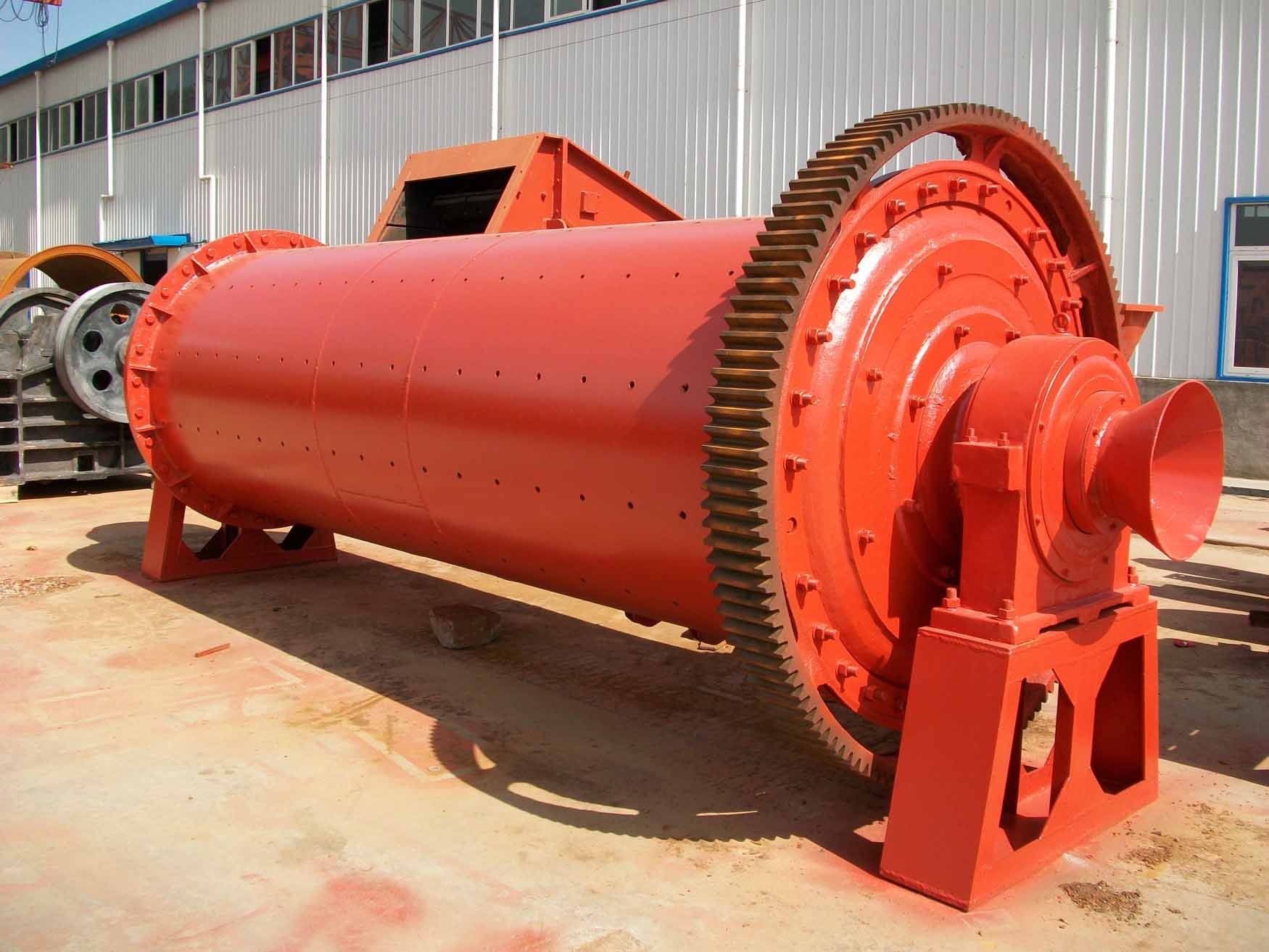
The heart of the operation. This is a large, rotating cylindrical shell, either horizontal or at a slight incline, lined with wear-resistant steel plates called liners. Their job is twofold: protect the mill shell from wear and tear, and help lift the grinding media (the balls) as the mill rotates. The shape of the liners (e.g., wave, step) is critical for optimizing the grinding action and efficiency.
3. The Grinding Media
You can’t have a ball mill without the balls! These are the hardened steel spheres that do the actual grinding. As the mill rotates, the balls are lifted and then cascade down onto the material, crushing and grinding it through impact and attrition. The size, composition, and gradation of the balls are carefully selected based on the feed material and desired fineness.
4. The Discharge System
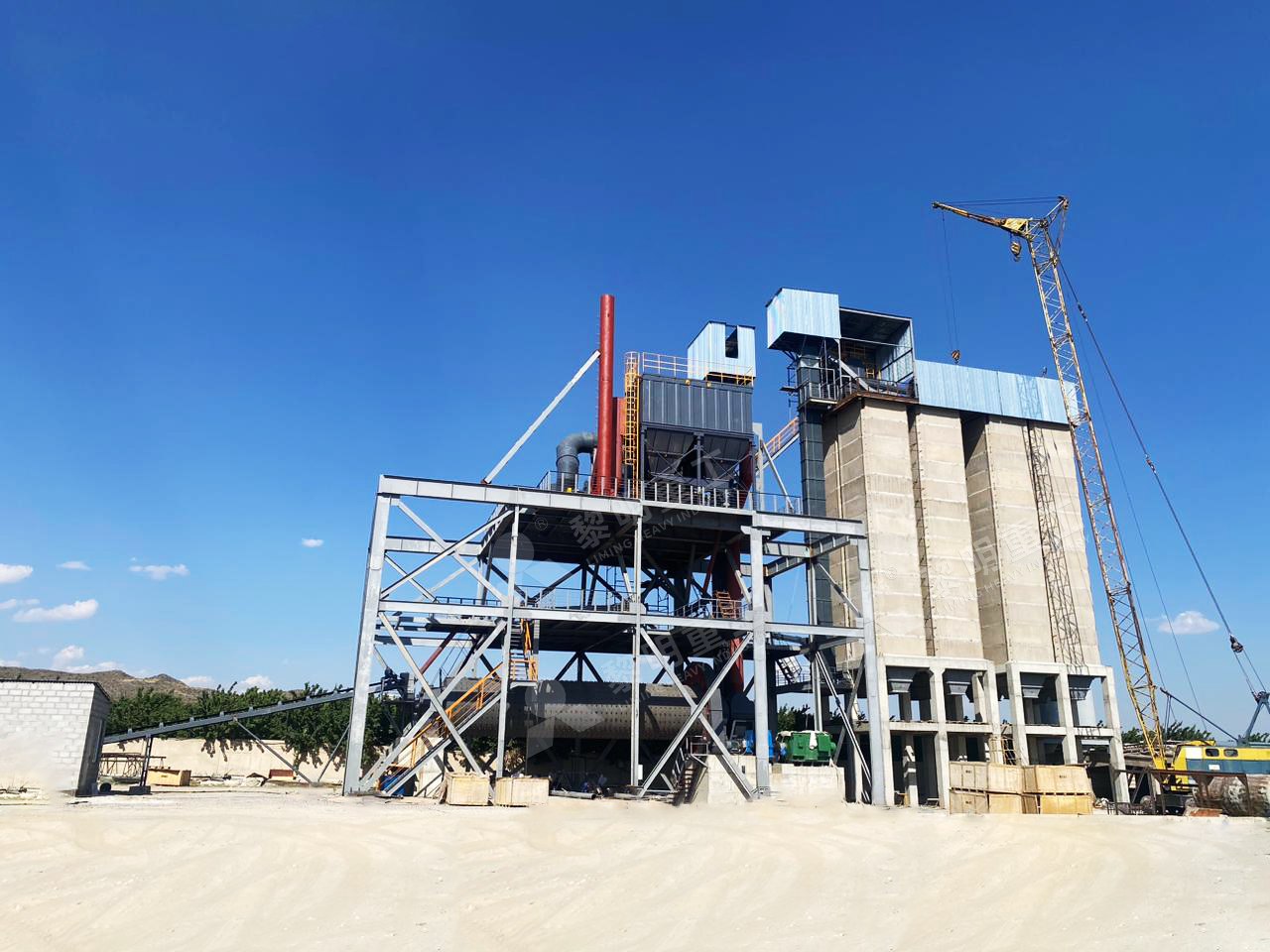
Once the material is ground to the required fineness, it needs to exit the mill. In overflow ball mills, the ground product is discharged by continuously feeding new material in, forcing the finished product out the other end. In grate-discharge mills, a diaphragm with slots allows the fine material to pass through while retaining the grinding media. This system controls the particle size distribution of the final product.
5. The Drive System
This is the muscle. A large motor, coupled with a gearbox (like a girth gear pinion drive system or central drive), provides the torque needed to rotate the heavy, charge-filled mill shell. The drive system must be robust and reliable to handle the significant mechanical stresses involved in continuous operation.
Beyond the Traditional Ball Mill
While ball mills are effective, they are known for high energy consumption and noise. Modern grinding solutions offer significant advantages. For operations looking to upgrade or for new projects requiring ultra-fine powder, our MW Ultrafine Grinding Mill presents a superior alternative.
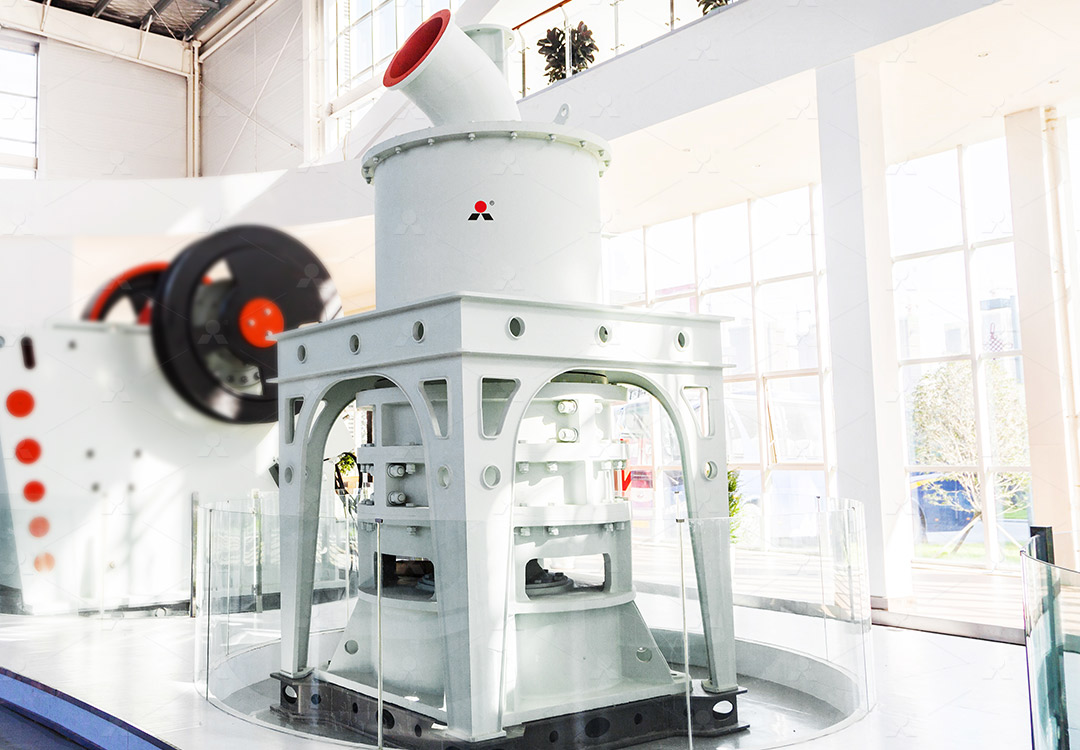
This advanced mill is designed for customers who need to make ultra-fine powder (325-2500 meshes) with higher yielding and lower energy consumption. It features a unique grinding curve and a German-technology cage-type powder selector for precise classification. A key advantage is the absence of rolling bearings and screws in the grinding chamber, eliminating common failure points and allowing for external lubrication without shutdown. Equipped with an efficient pulse dust collector and muffler, the MW Ultrafine Grinding Mill operates with minimal environmental impact, making it an ideal, efficient, and eco-friendly choice for modern mineral processing applications beyond just cement.
Conclusion
Understanding the main sections of a ball mill – feeding, grinding, discharge, and drive – provides insight into a fundamental piece of industrial equipment. However, technology marches on. For those seeking greater efficiency, finer products, and a smaller operational footprint, exploring advanced solutions like vertical roller mills or our ultra-fine grinding technology is the next logical step.