
The Definitive Guide to Limestone Powder Production: Process, Equipment & Tips
We provide a wide range of mills — including Raymond mill, trapezoidal mill, vertical mill, ultrafine mill, and ball mill, obtained ISO9001 international quality certification, EU CE certification, and Customs Union CU-TR certification. Suitable for processing minerals such as limestone, phosphate, quicklime, kaolin, talc, barite, bentonite, calcium carbonate, dolomite, coal, gypsum, clay, carbon black, slag, cement raw materials, cement clinker, and more.
The discharge range of these mills can be adjusted to meet specific processing needs, typically from 80-400 mesh, 600-3250 mesh, and can achieve the finest particle size of up to 6000 mesh(D50).
If you are looking for a reliable grinding solution to turn stone or minerals into fine powder, please feel free to contact our online customer service.
The Definitive Guide to Limestone Powder Production: Process, Equipment & Tips
Limestone powder is a cornerstone material for countless industries, from construction and agriculture to manufacturing and environmental applications. Producing a high-quality, consistent powder requires a precise and efficient process. This guide breaks down the key stages and highlights the critical role of modern grinding technology.
From Quarry to Crush: The First Steps
The journey begins at the quarry, where massive limestone deposits are extracted through drilling and blasting. This raw material is then transported to a processing plant for primary crushing. Large jaw or gyratory crushers reduce the rock to manageable pieces, typically under 6 inches in diameter. A secondary crushing stage often follows, using impact or cone crushers to achieve a more uniform, gravel-sized consistency.
The Heart of the Operation: Grinding Mills
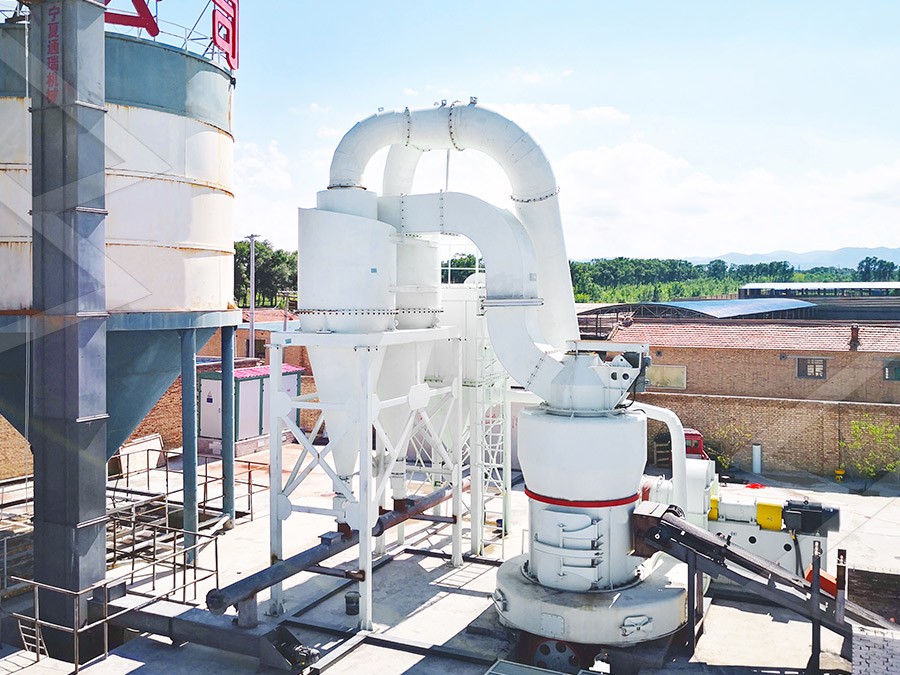
This is where the real transformation happens. Crushed limestone is fed into industrial grinding mills to be pulverized into a fine powder. The choice of mill is paramount and depends on the desired fineness (mesh size), production capacity, and energy efficiency goals. While traditional options like Raymond Mills and Ball Mills are common, modern operations demand higher efficiency and finer outputs.
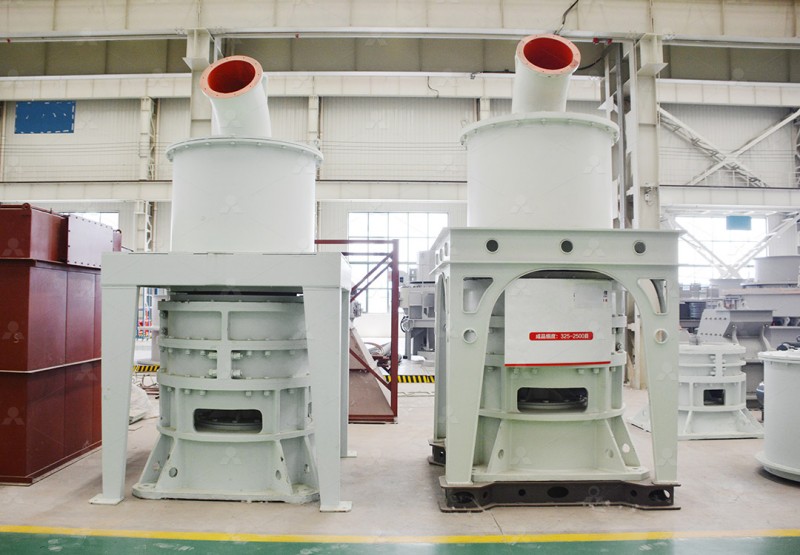
For producers aiming for ultra-fine powders (325-2500 mesh) with superior energy savings, the MW Ultrafine Grinding Mill is a game-changer. This advanced mill is engineered for customers who need to make ultra-fine powder without the headaches of traditional systems. It features a unique design with no rolling bearings or screws in the grinding chamber, eliminating common failure points and worries about loose parts causing machine damage. Its cage-type powder selector, leveraging German technology, allows for precise fineness adjustment between 325-2500 meshes, achieving a remarkable d97≤5μm in a single pass. Furthermore, its integrated efficient pulse dust collector and muffler ensure the entire production process is eco-friendly, with minimal dust and noise pollution. With an input size of 0-20 mm and a capacity range of 0.5-25 tph, it offers higher yielding and lower energy consumption, making it an ideal choice for high-value limestone powder production.
Classification, Collection, and Storage
After grinding, the powdered material is classified by an air separator. Coarse particles are recycled back for further grinding, while the fine product moves on. A robust dedusting system, like a baghouse filter, is crucial here to capture airborne particles, maintain air quality, and reclaim valuable product. The final limestone powder is then pneumatically conveyed to large storage silos, protecting it from moisture before packaging or bulk shipment.
Why Your Grinding Mill Choice Matters
Selecting the right mill impacts everything from your bottom line to your product quality. Key considerations include:
- Fineness Control: Can you consistently hit your target mesh size?
- Energy Consumption: Modern mills like the MW series can reduce energy use by 30-50% compared to older models.
- Maintenance & Downtime: Designs that allow for easy access and external lubrication translate to higher uptime.
- Environmental Compliance: Integrated dust collection and noise reduction are no longer optional.
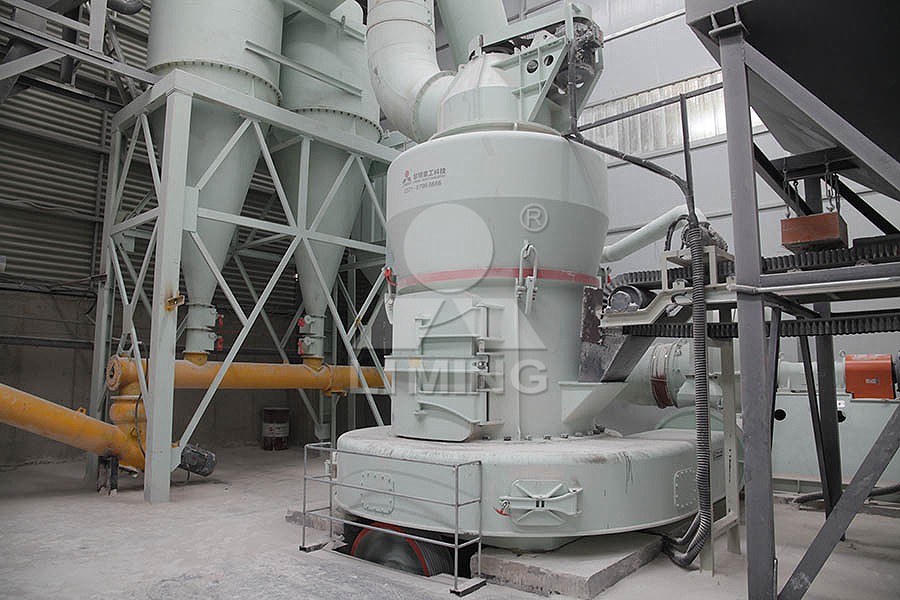
For operations requiring even larger capacities and integration of drying for slightly moist materials, the LUM Ultrafine Vertical Grinding Mill is another premier option. It integrates grinding, classifying, and transporting with higher efficiency. Its unique roller shell and lining plate grinding curve generate a material layer more easily, enabling a high rate of finished products in a single milling. The PLC control system and multi-head powder separating technology allow for precise control over grinding parameters, reducing energy consumption by 30%-50%. Its reversible structure is a maintenance boon, allowing grinding rollers to be easily moved out of the body for quick checking and replacement, significantly reducing shutdown losses.
Conclusion
Producing high-quality limestone powder is a complex dance of crushing, grinding, and classifying. While every step is important, the grinding stage is where product quality and operational efficiency are truly defined. Investing in advanced, reliable grinding technology like the MW Ultrafine Grinding Mill or the LUM Ultrafine Vertical Grinding Mill is not just an equipment purchase—it’s a strategic decision for greater yield, lower operational costs, and a sharper competitive edge in the market.