
The Critical Role of Coal Mill in Cement Manufacturing
We provide a wide range of mills — including Raymond mill, trapezoidal mill, vertical mill, ultrafine mill, and ball mill, obtained ISO9001 international quality certification, EU CE certification, and Customs Union CU-TR certification. Suitable for processing minerals such as limestone, phosphate, quicklime, kaolin, talc, barite, bentonite, calcium carbonate, dolomite, coal, gypsum, clay, carbon black, slag, cement raw materials, cement clinker, and more.
The discharge range of these mills can be adjusted to meet specific processing needs, typically from 80-400 mesh, 600-3250 mesh, and can achieve the finest particle size of up to 6000 mesh(D50).
If you are looking for a reliable grinding solution to turn stone or minerals into fine powder, please feel free to contact our online customer service.
The Critical Role of Coal Mill in Cement Manufacturing
The cement manufacturing process is a complex symphony of raw material preparation, clinker production, and finish grinding. At the heart of the pyroprocessing stage, where the raw meal is transformed into cement clinker inside a massive rotary kiln, lies a crucial piece of equipment: the coal mill. Its performance is not merely supportive; it is fundamental to the entire operation’s efficiency, cost, and environmental footprint.
Why Pulverized Coal?
Modern cement kilns primarily use pulverized coal as their fuel source. Coal, in its raw lump form, cannot achieve the rapid, intense, and controlled combustion required to reach the sintering temperatures exceeding 1450°C needed for clinker formation. The coal mill’s primary job is to grind the raw coal from crushers into a very fine powder. This process, known as pulverization, dramatically increases the surface area of the coal particles.
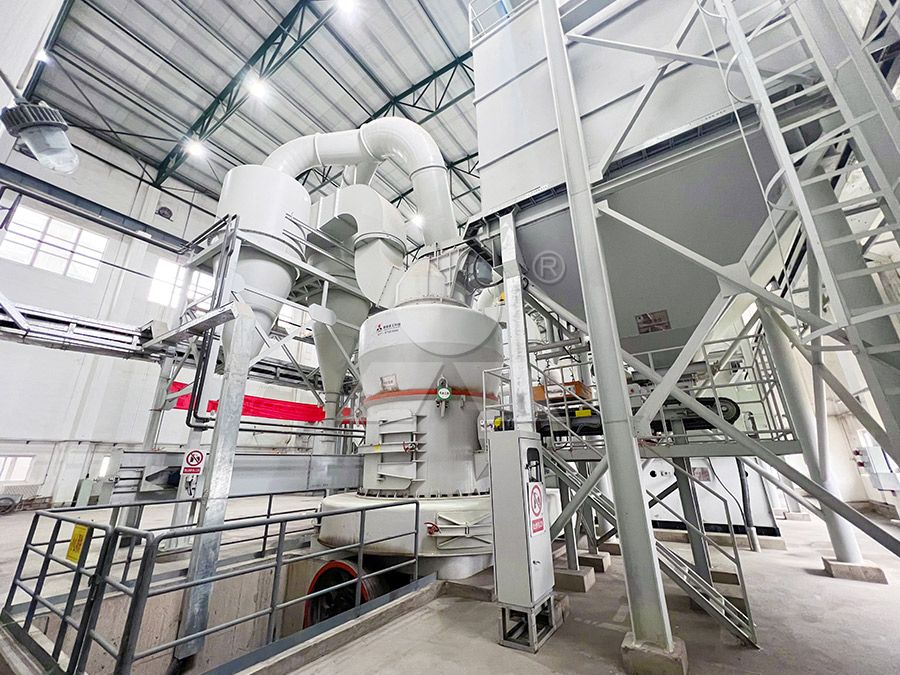
When this fine powder is blown into the kiln’s combustion zone, it ignites instantaneously and burns with a stable, concentrated flame. This ensures:
- Precise Temperature Control: A uniform flame is essential for maintaining the exact temperature profile needed for the complex chemical reactions that form clinker minerals.
- Complete Combustion: Fine particles burn more completely, maximizing energy release from the coal and minimizing unburned carbon, which can contaminate the cement.
- Optimized Kiln Operation: A consistent fuel source allows for stable kiln operation, reducing process upsets and improving the quality of the final clinker.
Key Challenges in Coal Grinding
Grinding coal might seem straightforward, but it presents unique challenges that not all grinding mills can handle effectively:
- Abrasive Nature: Coal can be highly abrasive, leading to rapid wear of grinding components.
- Combustibility: The grinding process generates heat and friction. If not managed correctly, this can create a fire or explosion hazard inside the mill.
- Moisture Content: Raw coal often contains surface moisture, which can cause clogging and reduce grinding efficiency. An ideal system must be able to dry the coal while grinding it.
- Product Fineness: The target fineness for pulverized coal is very specific. Coal that is too coarse will not burn efficiently, while coal that is too fine consumes excessive energy to produce and can be difficult to handle.
Choosing the Right Mill for the Job
While traditional ball mills have been used for decades, the industry is rapidly moving towards more efficient and specialized vertical roller mills (VRMs) for coal grinding. VRMs are uniquely suited to this task because they integrate grinding and drying into a single, compact unit.
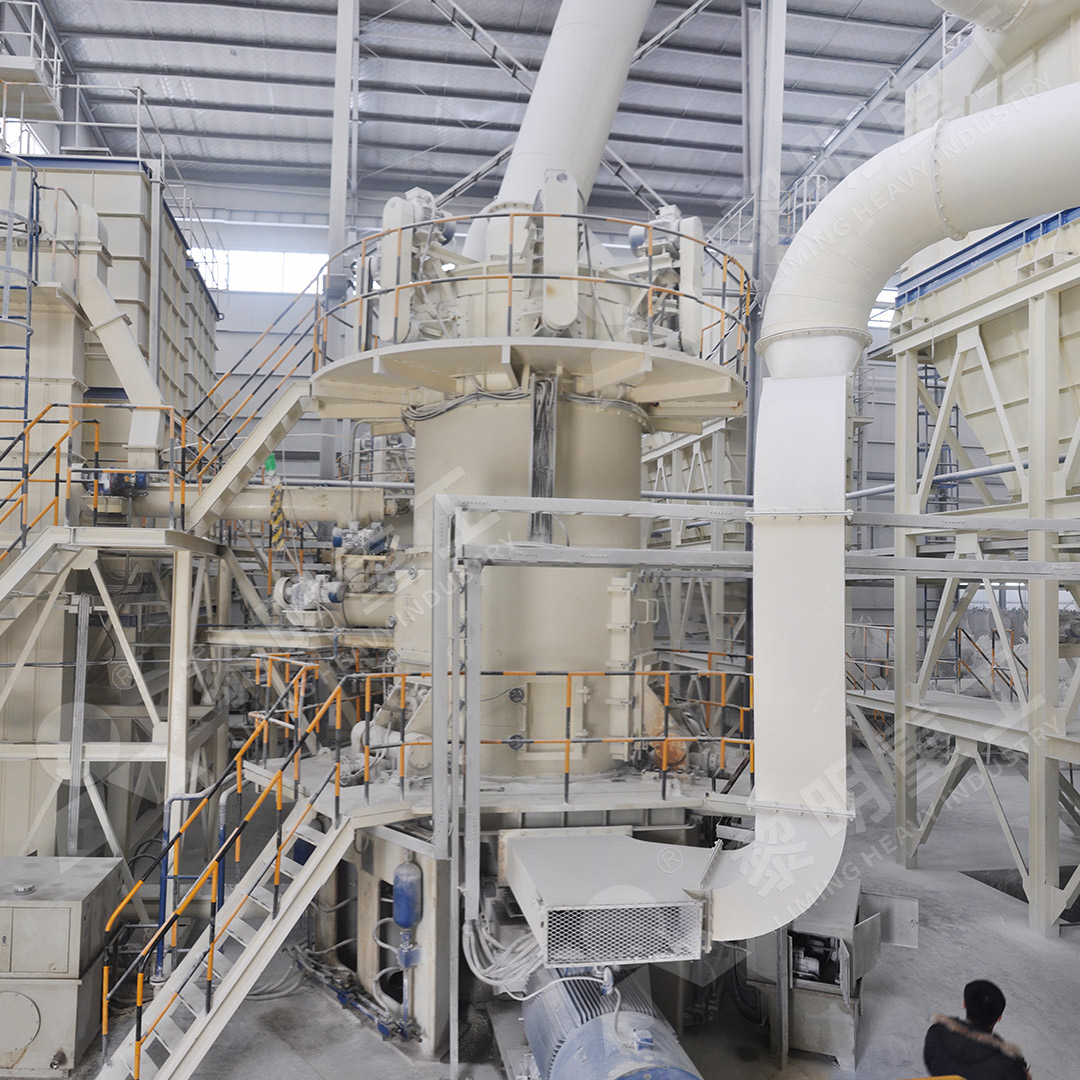
Our LM Vertical Coal Mill is a prime example of this advanced technology. It’s specifically engineered to tackle the challenges of coal pulverization head-on. With an input size of <50mm and a capacity range of 5-100T/H, it’s built for heavy-duty, continuous operation in demanding cement plant environments.
Key advantages that make it the superior choice include:
- Integrated Drying: Hot gases from the kiln preheater can be introduced into the mill, simultaneously drying the coal and grinding it, solving moisture issues.
- Lower Energy Consumption: By utilizing a roller and table design, it consumes 30%-40% less power than a traditional ball mill system for the same output.
- Exceptional Stability & Safety: Features like a limit device preventing roller-to-table contact and a hydraulic system for easy roller maintenance ensure stable, safe operation and reduce the risk of incidents.
- Compact Footprint: Its vertical design takes up significantly less space than a horizontal ball mill system.
Beyond the Kiln: A Partner for Efficiency
The role of the coal mill extends beyond just feeding the kiln. Its efficiency directly impacts the plant’s bottom line. Inefficient grinding leads to higher energy bills and wasted fuel. A reliable, high-performance mill like our LM Vertical Coal Mill is an investment in operational stability and cost control. Furthermore, its closed, negative-pressure system operates cleanly, containing dust and meeting stringent environmental standards, making it a responsible choice for modern, eco-conscious manufacturing.
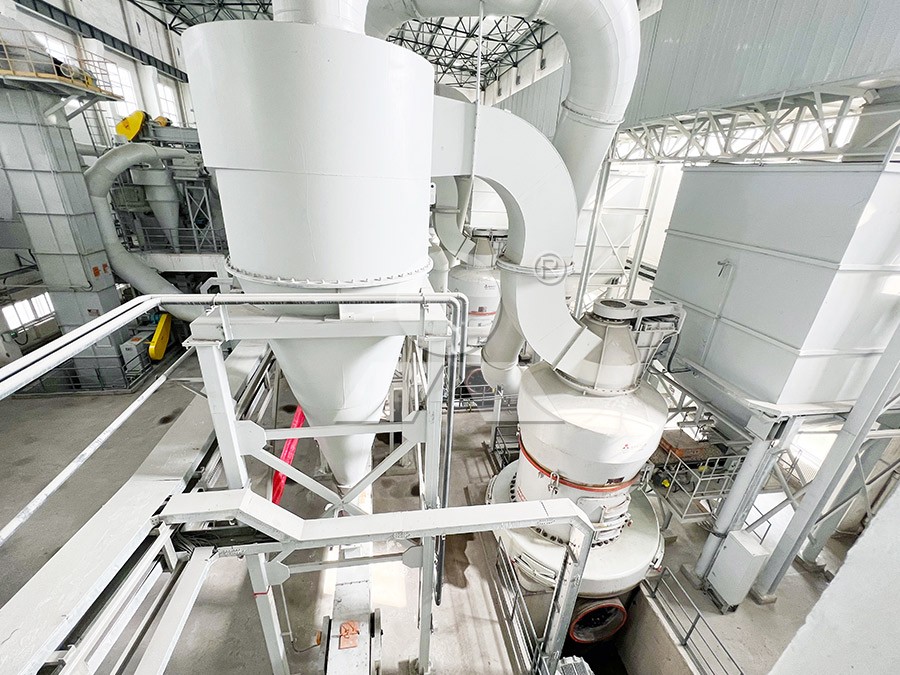
For operations requiring even finer pulverization or processing of other materials like limestone or slag, our MW Ultrafine Grinding Mill offers unparalleled precision. With the ability to adjust fineness between 325-2500 meshes and a capacity of 0.5-25 tph, it’s perfect for producing high-value additives and specialty products, showcasing the versatility of our grinding solutions beyond traditional fuel preparation.
Conclusion
In conclusion, the coal mill is far from a peripheral component in cement manufacturing. It is a critical process unit that dictates fuel efficiency, product quality, and plant reliability. Investing in advanced, robust grinding technology is not an option but a necessity for any cement producer aiming for sustainability, profitability, and a competitive edge in the market.