
The Best Grinder Coffee Machines in South Africa: A 2024 Buyer’s Guide
We provide a wide range of mills — including Raymond mill, trapezoidal mill, vertical mill, ultrafine mill, and ball mill, obtained ISO9001 international quality certification, EU CE certification, and Customs Union CU-TR certification. Suitable for processing minerals such as limestone, phosphate, quicklime, kaolin, talc, barite, bentonite, calcium carbonate, dolomite, coal, gypsum, clay, carbon black, slag, cement raw materials, cement clinker, and more.
The discharge range of these mills can be adjusted to meet specific processing needs, typically from 80-400 mesh, 600-3250 mesh, and can achieve the finest particle size of up to 6000 mesh(D50).
If you are looking for a reliable grinding solution to turn stone or minerals into fine powder, please feel free to contact our online customer service.
The Best Grinder Coffee Machines in South Africa: A 2024 Buyer’s Guide
For coffee aficionados across South Africa, the quest for the perfect cup is a serious pursuit. It’s not just about the beans; the machine that grinds them is arguably the most critical component in your coffee-making arsenal. A superior grinder unlocks the full potential of your roast, transforming whole beans into a consistent, flavour-rich powder ready for extraction. This guide will walk you through the key considerations for 2024 and highlight some of the top-performing options available to the discerning South African consumer.
Why the Grinder Matters More Than You Think
Many believe the coffee machine itself is the star, but professional baristas will tell you the grinder is the true workhorse. The consistency of the grind size directly impacts extraction. Uneven grounds lead to a bitter, over-extracted taste from the fine particles and a sour, under-extracted flavour from the coarse ones. A high-quality grinder provides uniform particle size, ensuring every bit of coffee extracts evenly for a balanced, nuanced, and truly exceptional cup. It’s the difference between a good coffee and a great one.
Key Features to Consider in 2024
When shopping for a grinder, look beyond the basic specs. Today’s market offers intelligent features that enhance convenience and quality.
- Grind Consistency: This is non-negotiable. Burr grinders are vastly superior to blade grinders for achieving a uniform grind size.
- Burr Type: Ceramic burrs stay cooler and are more durable, while steel burrs are often sharper and can be more precise.
- Grind Settings: The ability to make micro-adjustments is crucial for dialling in your perfect shot, especially for espresso.
- Dosing Options: Timed dosing or weight-based grinding adds a layer of precision and repeatability to your routine.
- Noise Level: If you’re an early riser, a quieter grinder is a considerate choice for your household.
Top Performer Spotlight: The Precision of MW Series Grinders
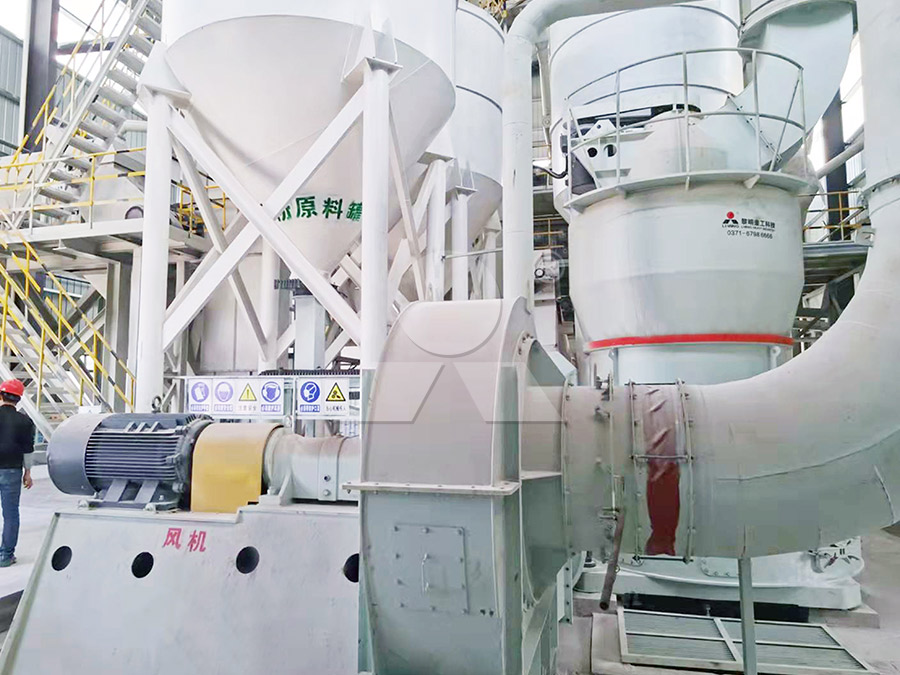
For those who demand the absolute pinnacle of grinding performance, the technology found in industrial milling has inspiring parallels. Take, for example, the engineering behind the MW Ultrafine Grinding Mill. While designed for minerals, its principles are a masterclass in precision. It features a cage-type powder selector that allows for an incredibly fine and adjustable grind, capable of achieving a consistent fineness between 325 and 2500 meshes. This level of control ensures that every particle is uniform, a principle that directly translates to superior coffee extraction. The machine’s design, with no rolling bearings or screws in the grinding chamber, eliminates common failure points, promising remarkable reliability—a feature any coffee professional would appreciate for uninterrupted service.
Another Standout: Vertical Integration with LUM Grinders
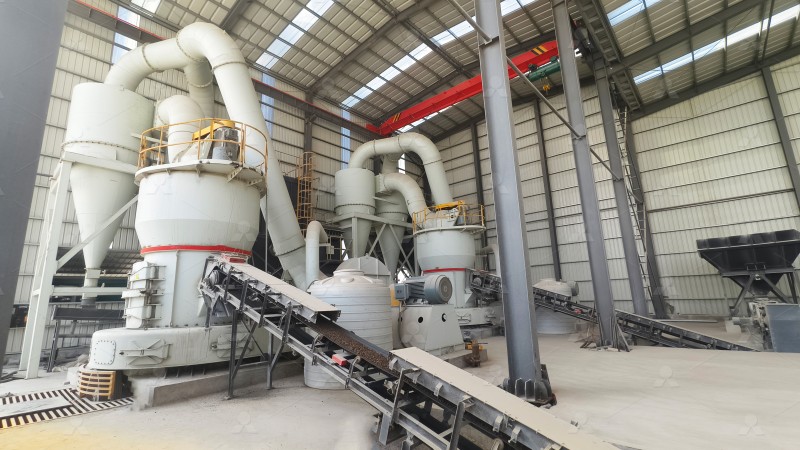
Another impressive piece of engineering is the LUM Ultrafine Vertical Grinding Mill. Its innovative vertical design and multi-head powder separating technology allow for higher yields with significantly lower energy consumption—up to 50% less than conventional mills. For the coffee enthusiast, this underscores the importance of efficient, smart design that doesn’t compromise on output quality. The LUM’s reversible structure also makes maintenance remarkably straightforward, meaning it stays operational longer. Imagine applying that level of durability and easy maintenance to a commercial coffee grinder; it’s a game-changer for busy cafes.
Making Your Choice in the South African Market
The South African coffee scene is vibrant and growing. When selecting a grinder, consider your primary brewing method. Espresso demands a fine, precise grind, while French Press requires a coarse, consistent one. Your budget and daily volume will also guide you, from robust home models to commercial-grade workhorses. Remember, investing in a quality grinder is an investment in every cup of coffee you will ever make.
Frequently Asked Questions (FAQ)
What is the main advantage of a burr grinder over a blade grinder?
Burr grinders crush beans between two surfaces to create a consistent particle size, which is essential for even extraction. Blade grinders chop beans unevenly, resulting in a mix of fine powder and large chunks that creates an imbalanced flavour.
I mostly make filter coffee. Do I need an expensive grinder?
While espresso is less forgiving, a consistent grind is still vital for a clean and flavourful filter coffee. A good burr grinder will significantly improve your pour-over or batch-brew results compared to a blade grinder.
How important is it to clean my grinder regularly?
Extremely important. Oils from coffee beans build up and become rancid, contaminating fresh coffee with stale flavours. A weekly brush-out and a monthly deep clean with grinder tablets are recommended for peak performance.
Can I use one grinder for both espresso and French Press?
Technically, yes, if the grinder has a wide range of settings. However, switching between very coarse and very fine grinds often requires re-calibrating and can waste coffee. For enthusiasts who regularly switch methods, having a dedicated grinder for each is ideal.