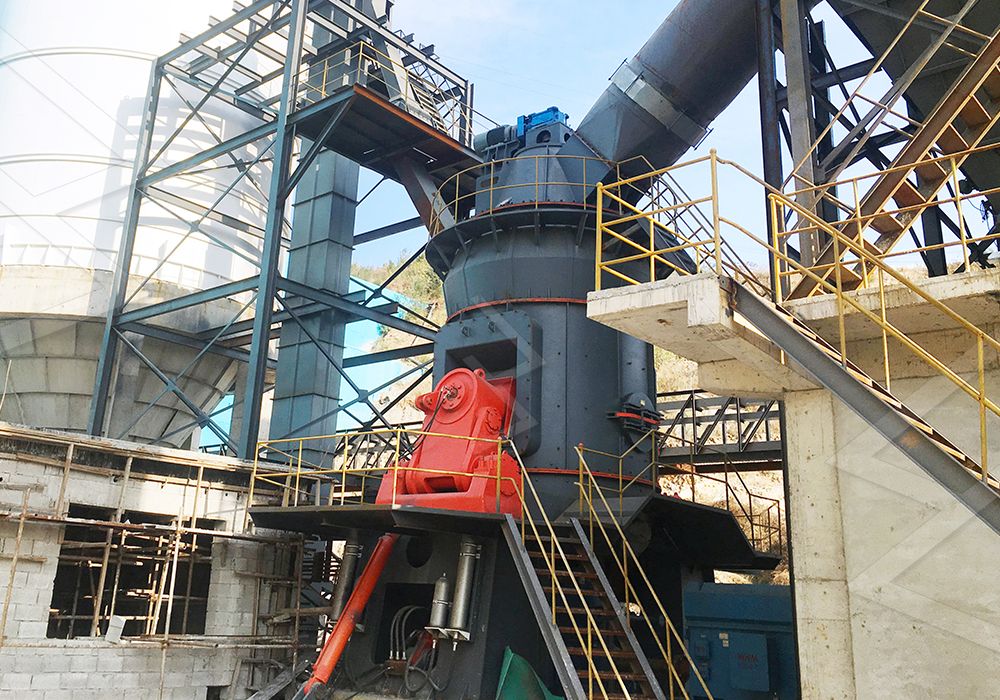
Technical Specifications and Performance Features of Industrial Ball Mills
We provide a wide range of mills — including Raymond mill, trapezoidal mill, vertical mill, ultrafine mill, and ball mill, obtained ISO9001 international quality certification, EU CE certification, and Customs Union CU-TR certification. Suitable for processing minerals such as limestone, phosphate, quicklime, kaolin, talc, barite, bentonite, calcium carbonate, dolomite, coal, gypsum, clay, carbon black, slag, cement raw materials, cement clinker, and more.
The discharge range of these mills can be adjusted to meet specific processing needs, typically from 80-400 mesh, 600-3250 mesh, and can achieve the finest particle size of up to 6000 mesh(D50).
If you are looking for a reliable grinding solution to turn stone or minerals into fine powder, please feel free to contact our online customer service.
Technical Specifications and Performance Features of Industrial Ball Mills
Industrial ball mills are a cornerstone of modern material processing, offering a robust and reliable solution for grinding a wide variety of materials into fine powders. These machines are essential in industries ranging from mining and cement production to chemicals and ceramics. While traditional ball mills are a common sight, technological advancements have led to the development of more efficient, specialized grinding solutions that often outperform their predecessors in key areas like energy consumption, footprint, and final product quality.
Core Operating Principle
The fundamental working principle of a ball mill is relatively straightforward. It is a horizontal rotating device transmitted by an outer gear. The materials are fed into the grinding chamber through a quill shaft uniformly. Inside the chamber, there are ladder liners, ripple liners, and different specifications of steel balls. The rotation of the cylinder generates centrifugal force, carrying the steel balls to a certain height before they fall back down, impacting and grinding the materials through a combination of attrition and impact forces. The finely ground material is then discharged through a grating plate, completing the process.

Key Performance Metrics
When evaluating a ball mill, several technical specifications are paramount:
- Input Size: Typically handles feed material up to 25mm in size.
- Capacity: Ranges widely, from small-scale operations at 0.65 tph to large industrial units capable of 50 tph or more.
- Grinding Media: The size, density, and composition of the steel balls significantly affect grinding efficiency.
- Drive System: Gear and pinion drives are standard, ensuring reliable power transmission.
- Lining: Wear-resistant liners protect the mill shell and enhance the lifting of the grinding media.
Advantages and Inherent Challenges
The classic advantages of ball mills are their lower initial investment, simple structure, and ability to grind a very wide range of materials. They are generally considered safe and easy to operate with stable performance. However, they are not without drawbacks. Their energy efficiency is relatively low, as a significant amount of energy is lost to heat and noise. They also have a large physical footprint, require substantial foundation work, and can introduce iron contamination into the final product from the wear of grinding media and liners.
Modern Alternatives: Beyond Traditional Ball Milling
For operations seeking higher efficiency, lower energy consumption, and a finer, cleaner product, modern vertical roller mills and specialized ultrafine grinders present a compelling alternative. A prime example from our portfolio is the MW Ultrafine Grinding Mill.
This advanced mill is engineered for customers requiring ultra-fine powder between 325-2500 meshes. It adresses many limitations of the traditional ball mill:
- Higher Yielding, Lower Energy Consumption: Its novel design achieves a production capacity 40% higher than jet mills and double that of ball mills with the same power input, while system energy consumption is slashed by up to 70%.
- Eco-Friendly Operation: An integrated efficient pulse dust collector and muffler ensure no dust pollution and significantly reduce operational noise, meeting strict environmental standards.
- Reliable Design: The absence of rolling bearings and screws in the grinding chamber eliminates common failure points, and external lubrication allows for 24/7 continuous operation.
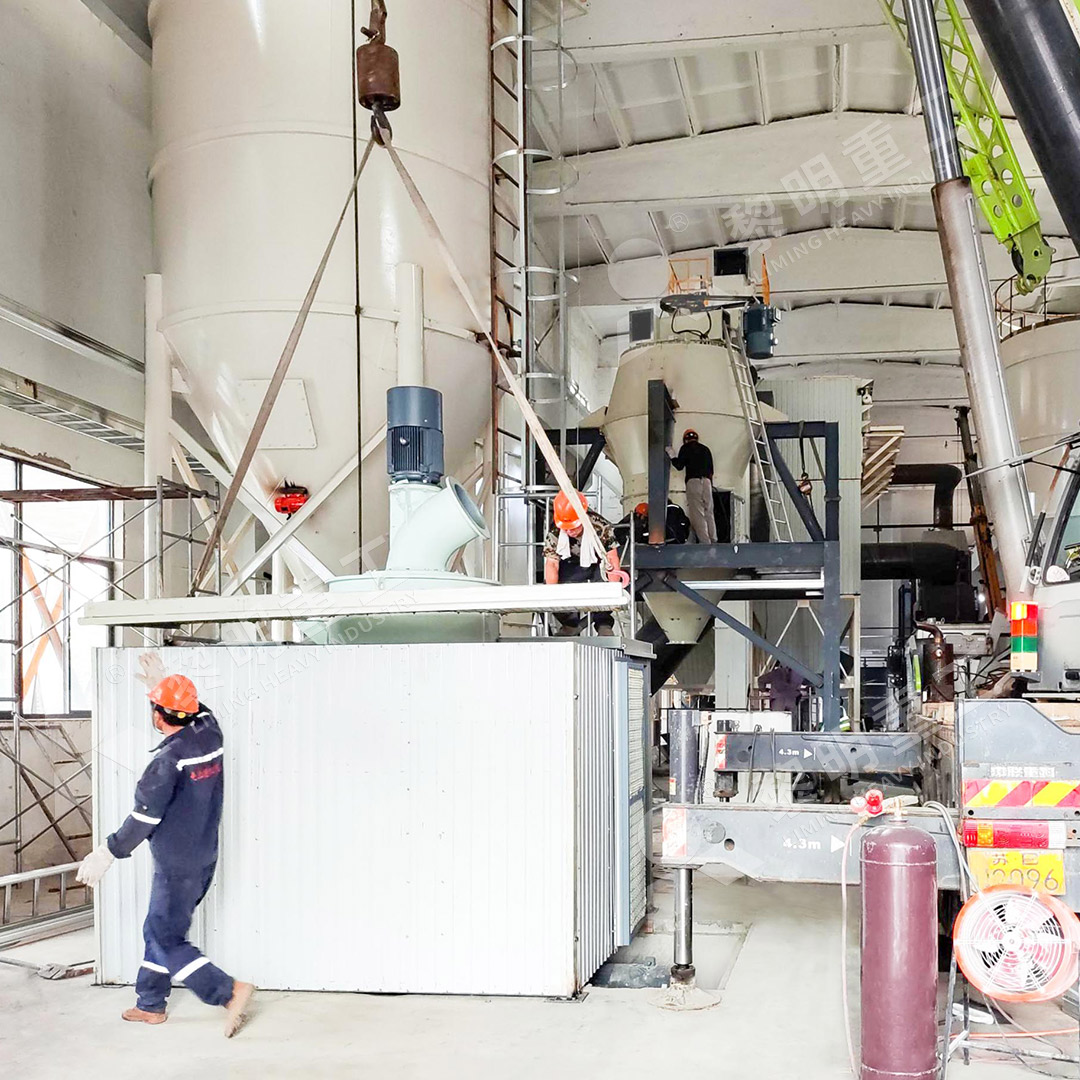
With an input size of 0-20 mm and a capacity range of 0.5-25 tph, the MW Mill is perfectly suited for processing materials like limestone, calcite, dolomite, talc, and barite for use in chemicals, paints, cosmetics, and food additives.
Conclusion
While the industrial ball mill remains a viable and well-understood workhorse for coarse to fine grinding, the evolution of grinding technology offers paths to greater profitability and sustainability. For applications demanding ultra-fine powders, higher efficiency, and greener operation, advanced solutions like our MW Ultrafine Grinding Mill provide a superior alternative, reducing operating costs and environmental impact without compromising on product quality or reliability.