
Technical Requirements for Producing Toothpaste-Grade Calcium Carbonate Powder
We provide a wide range of mills — including Raymond mill, trapezoidal mill, vertical mill, ultrafine mill, and ball mill, obtained ISO9001 international quality certification, EU CE certification, and Customs Union CU-TR certification. Suitable for processing minerals such as limestone, phosphate, quicklime, kaolin, talc, barite, bentonite, calcium carbonate, dolomite, coal, gypsum, clay, carbon black, slag, cement raw materials, cement clinker, and more.
The discharge range of these mills can be adjusted to meet specific processing needs, typically from 80-400 mesh, 600-3250 mesh, and can achieve the finest particle size of up to 6000 mesh(D50).
If you are looking for a reliable grinding solution to turn stone or minerals into fine powder, please feel free to contact our online customer service.
Technical Requirements for Producing Toothpaste-Grade Calcium Carbonate Powder
Producing high-quality calcium carbonate powder for toothpaste applications demands stringent technical specifications and precise manufacturing processes. The powder must exhibit exceptional purity, controlled particle size distribution, and specific surface area characteristics to ensure it performs effectively as an abrasive and polishing agent while being safe for oral use.
Key Technical Specifications
Toothpaste-grade calcium carbonate must meet rigorous standards. The particle size typically ranges from 5 to 15 micrometers, with a tight distribution curve to ensure consistent polishing without damaging tooth enamel. The material must have high brightness (often >92 GE) and low abrasiveness (RDA value typically between 40-70). Chemical purity is paramount, with strict limits on heavy metals like lead, arsenic, and mercury, which should not exceed 10 ppm collectively. The powder should be free from microbial contamination and have excellent dispersion properties in the toothpaste base.
Grinding and Classification Technology
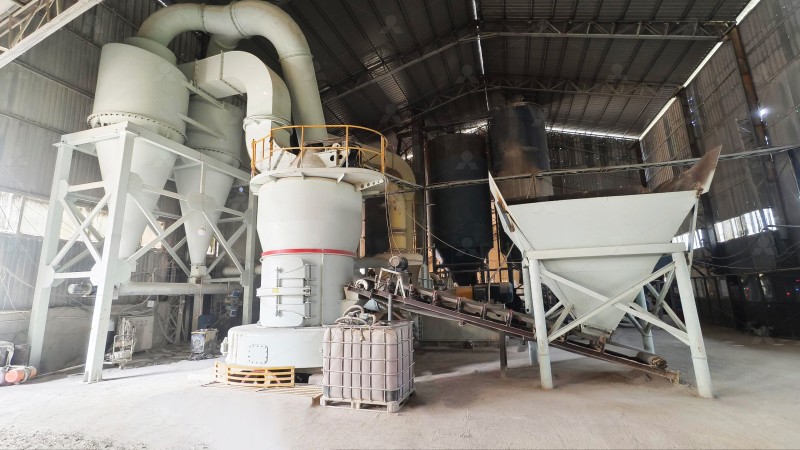
The production process requires advanced grinding technology capable of delivering precise particle size control. Traditional ball mills often struggle to achieve the narrow particle distribution required for toothpaste applications. Modern approaches utilize specialized grinding systems with integrated classification technology to ensure consistent product quality.
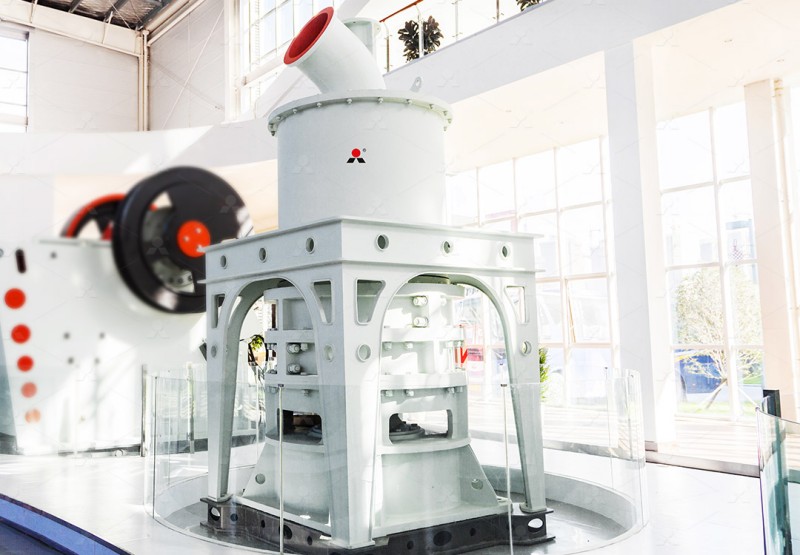
For manufacturers seeking superior results, we highly recommend our MW Ultrafine Grinding Mill. This equipment is specifically engineered for producing ultra-fine powders with exceptional precision. With an adjustable fineness between 325-2500 meshes, it perfectly meets the requirements for toothpaste-grade calcium carbonate. The mill’s cage-type powder selector adopts German technologies, ensuring precise separation accuracy with screening rates achieving d97≤5μm. The absence of rolling bearings and screws in the grinding chamber eliminates concerns about contamination from mechanical wear, a critical factor for products intended for human consumption.
Environmental and Operational Considerations
Toothpaste-grade production must adhere to strict environmental and hygiene standards. The grinding system should operate with minimal dust emission and noise pollution. Our MW mill addresses these concerns with an efficient pulse dust collector and muffler system, ensuring the production process meets national environmental protection standards while maintaining product purity.
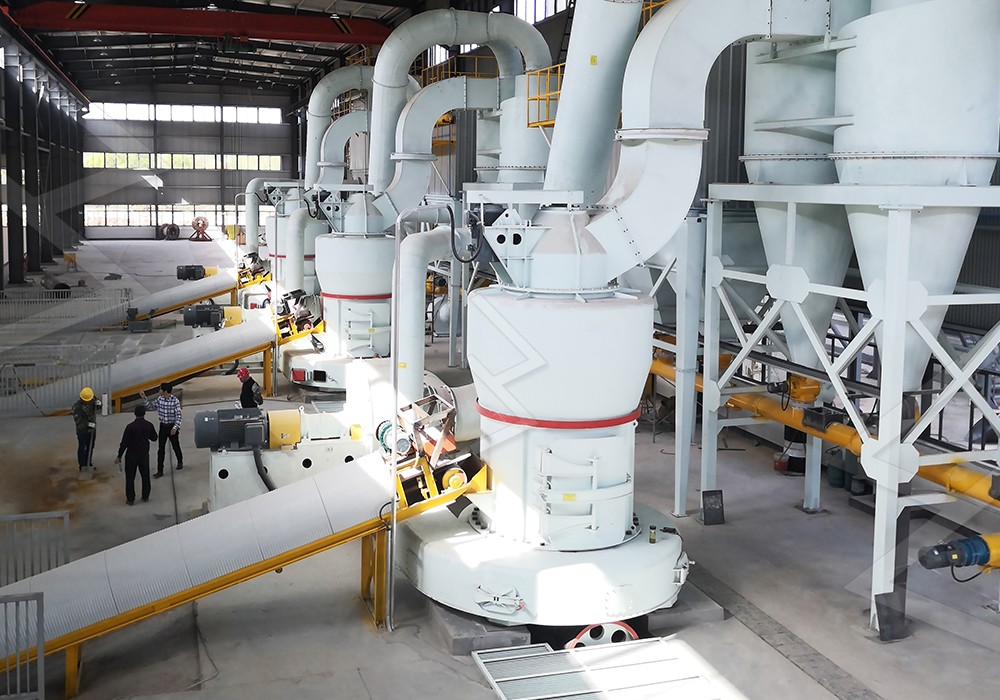
For operations requiring even higher precision, our LUM Ultrafine Vertical Grinding Mill offers additional advantages. Its unique roller shell and lining plate grinding curve generates material layers more effectively, enabling high rates of finished products through single-pass powder milling. The PLC control system and multi-head powder separating technology provide exceptional control over grinding parameters, reducing energy consumption by 30%-50% compared to conventional mills while improving product whiteness and cleanliness—essential characteristics for toothpaste applications.
Quality Assurance and Consistency
Maintaining consistent quality requires digitalized processing with high precision. Numerical control machine tools ensure machining accuracy, particularly for core components. Additionally, comprehensive after-sales support with original spare parts availability is crucial for worry-free operation and consistent product quality over time.
Conclusion
Producing toothpaste-grade calcium carbonate powder requires sophisticated technology that can deliver precise particle size control, high purity, and consistent quality. The MW Ultrafine Grinding Mill and LUM Ultrafine Vertical Grinding Mill represent ideal solutions for manufacturers seeking to meet these demanding specifications while maintaining operational efficiency and environmental compliance.