Technical Innovation Paths for Phosphate Rock Powder Production
We provide a wide range of mills — including Raymond mill, trapezoidal mill, vertical mill, ultrafine mill, and ball mill, obtained ISO9001 international quality certification, EU CE certification, and Customs Union CU-TR certification. Suitable for processing minerals such as limestone, phosphate, quicklime, kaolin, talc, barite, bentonite, calcium carbonate, dolomite, coal, gypsum, clay, carbon black, slag, cement raw materials, cement clinker, and more.
The discharge range of these mills can be adjusted to meet specific processing needs, typically from 80-400 mesh, 600-3250 mesh, and can achieve the finest particle size of up to 6000 mesh(D50).
If you are looking for a reliable grinding solution to turn stone or minerals into fine powder, please feel free to contact our online customer service.
Technical Innovation Paths for Phosphate Rock Powder Production
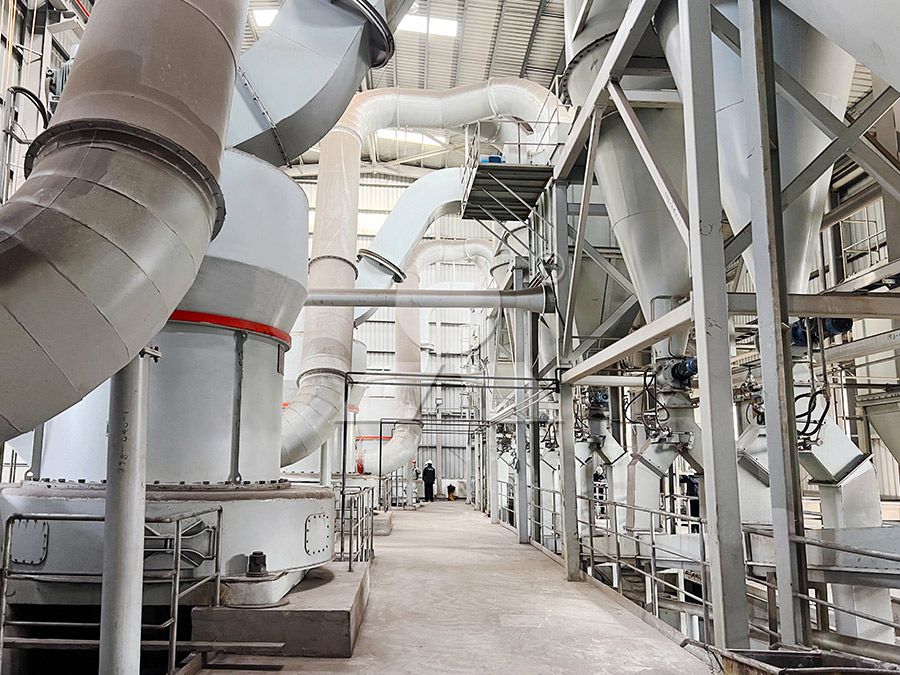
Phosphate rock powder is a critical raw material in fertilizers, chemicals, and industrial applications. Its production demands precision grinding, energy efficiency, and environmental sustainability. Traditional grinding methods often fall short in meeting these requirements, leading to inefficiencies and higher operational costs. This article explores innovative technical paths for optimizing phosphate rock powder production, focusing on advanced milling technologies that enhance yield, reduce energy consumption, and minimize environmental impact.
One of the key challenges in phosphate rock grinding is achieving ultra-fine particle sizes (e.g., 325-2500 meshes) while maintaining low energy use. Conventional ball mills or Raymond mills may consume excessive power and produce inconsistent fineness. Modern solutions involve ultrafine grinding mills equipped with intelligent separators and eco-friendly features. For instance, the MW Ultrafine Grinding Mill exemplifies innovation with its ability to handle inputs up to 20 mm and deliver outputs ranging from 0.5 to 25 tph. Its cage-type powder selector, inspired by German technology, ensures precise fineness adjustment between 325-2500 meshes, with a screening rate achieving d97≤5μm in a single pass. Moreover, the absence of rolling bearings and screws in the grinding chamber eliminates common failure points, enhancing reliability.
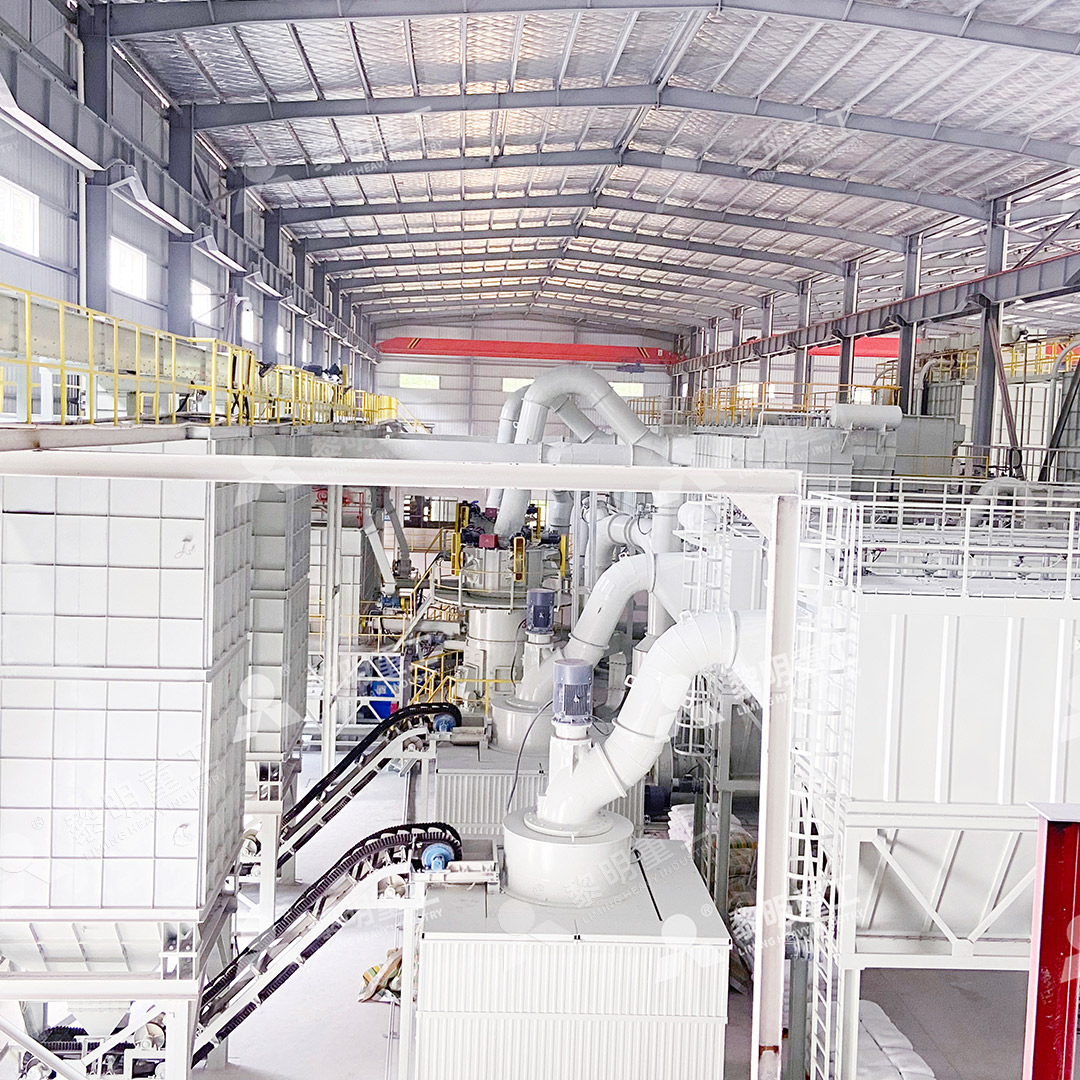
Another groundbreaking approach is vertical grinding technology, which integrates multiple processes like crushing, drying, and classifying into a compact system. The LUM Ultrafine Vertical Grinding Mill stands out with its input size of 0-10 mm and capacity of 5-18 tph. It incorporates Taiwanese grinding roller technology and German powder separation, enabling higher yielding rates and better product quality. Features like multi-head powder separating technology reduce energy consumption by 30%-50% compared to traditional mills, while double position-limiting technology ensures operational stability. This mill is ideal for phosphate rock due to its ability to handle fine powders without iron contamination, preserving material purity.
Environmental considerations are paramount in modern production. Both the MW and LUM mills are designed with pulse dust collectors and mufflers, significantly reducing dust and noise emissions. This aligns with global environmental standards, making them suitable for regions with strict regulations. Additionally, digitalized processing and numerical control in manufacturing ensure high precision in core components, further boosting efficiency and longevity.
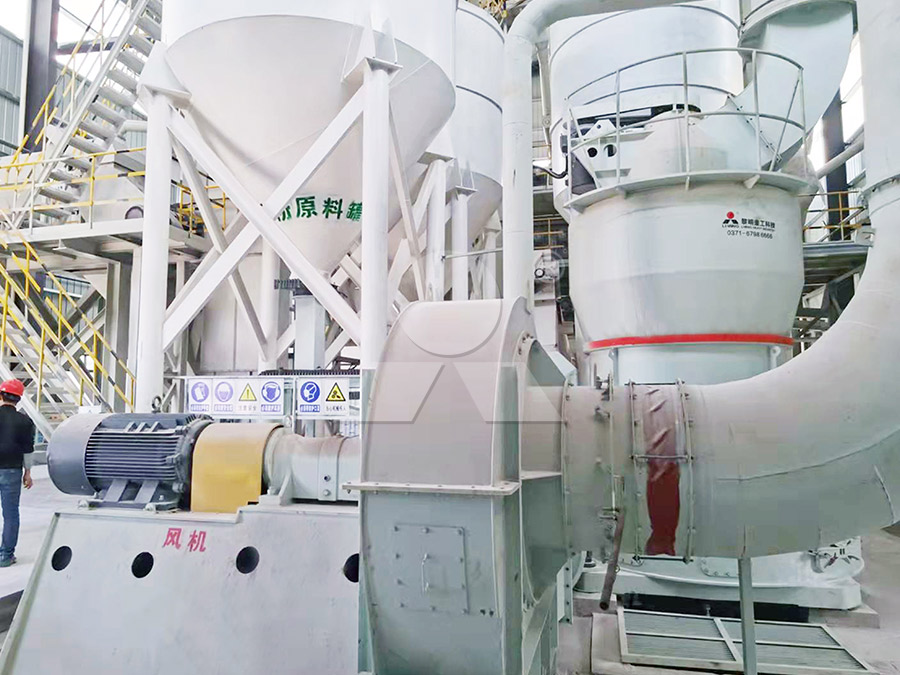
In practice, selecting the right equipment depends on specific production needs. For high-capacity requirements up to 340 tph, the LM Vertical Grinding Mill offers a robust solution with integrated functions, though for ultra-fine phosphate powder, the MW and LUM models provide superior fineness control. Innovations like dilute oil lubrication in trapezium mills or reversible structures in vertical mills also contribute to lower maintenance costs and easier operations.
In conclusion, the path to efficient phosphate rock powder production lies in adopting advanced grinding technologies. Companies like LIMING lead the way with products such as the MW Ultrafine Grinding Mill and LUM Ultrafine Vertical Grinding Mill, which combine energy savings, environmental friendliness, and high precision. By leveraging these innovations, producers can achieve sustainable, cost-effective operations while meeting the growing demand for high-quality phosphate powders.