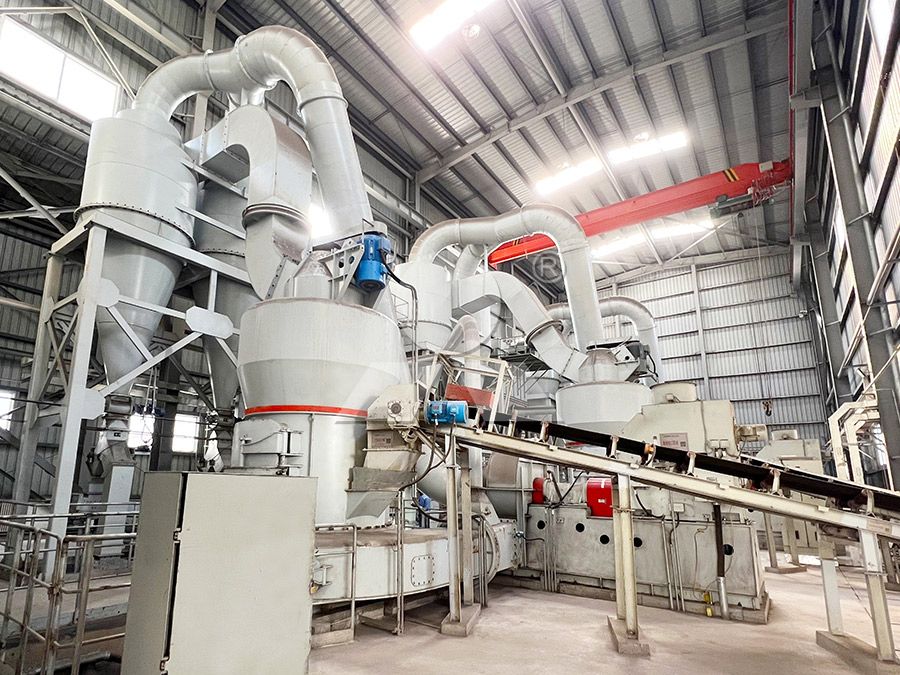
Technical Cooperation and Innovation in Phosphate Rock Powder Processing Equipment
We provide a wide range of mills — including Raymond mill, trapezoidal mill, vertical mill, ultrafine mill, and ball mill, obtained ISO9001 international quality certification, EU CE certification, and Customs Union CU-TR certification. Suitable for processing minerals such as limestone, phosphate, quicklime, kaolin, talc, barite, bentonite, calcium carbonate, dolomite, coal, gypsum, clay, carbon black, slag, cement raw materials, cement clinker, and more.
The discharge range of these mills can be adjusted to meet specific processing needs, typically from 80-400 mesh, 600-3250 mesh, and can achieve the finest particle size of up to 6000 mesh(D50).
If you are looking for a reliable grinding solution to turn stone or minerals into fine powder, please feel free to contact our online customer service.
Technical Cooperation and Innovation in Phosphate Rock Powder Processing Equipment
The processing of phosphate rock into fine powders is a critical step in numerous industrial applications, from agricultural fertilizers to advanced chemical syntheses. Achieving the desired particle size distribution, purity, and reactivity requires not only robust machinery but also continuous technical innovation and cooperation between equipment manufacturers and end-users. The industry’s evolution has been marked by a shift towards more energy-efficient, environmentally friendly, and highly automated grinding solutions.
The Grinding Challenge in Phosphate Processing
Phosphate rock is a notoriously abrasive and sometimes moist material, posing significant challenges for size reduction. Traditional equipment like ball mills often struggle with high energy consumption, excessive wear, and inconsistent product fineness. The goal is to achieve a ultra-fine powder (often down to d97 ≤ 5μm) with a narrow particle size distribution while minimizing operational costs and environmental impact. This demands equipment designed with precision, durability, and smart control systems in mind.
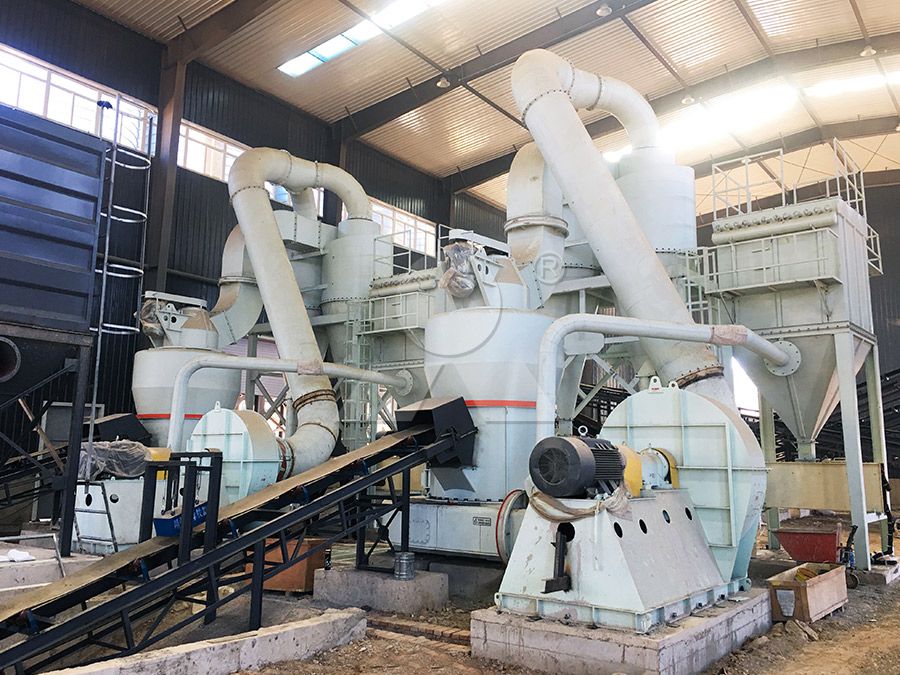
Innovations Driving Efficiency and Sustainability
Modern grinding mills have incorporated several key innovations. The move away from traditional rolling bearings and screws inside the grinding chamber, for instance, has drastically reduced maintenance downtime and the risk of mechanical failure. Furthermore, advanced pulse dust collectors and sound-dampening technologies are now standard, ensuring operations meet stringent environmental and workplace safety standards. Digitalization has also played a pivotal role; with numerical control machining ensuring high precision in core components, leading to better overall machine reliability and performance.
Spotlight on Advanced Solutions: The MW Ultrafine Grinding Mill
For operations requiring superior fineness and high efficiency, the MW Ultrafine Grinding Mill presents an exceptional solution. This machine is expertly engineered for customers who need to make ultra-fine powder from materials like phosphate rock. With an input size of 0-20 mm and a capacity range of 0.5-25 tph, it offers remarkable flexibility.
Its standout features include:
- Higher Yielding, Lower Energy Consumption: Its newly designed grinding curves enhance efficiency, offering 40% higher capacity than jet mills and twice the yield of ball mills, while using only 30% of the energy of a jet mill.
- Adjustable Fineness (325-2500 meshes): A German-technology, cage-type powder selector allows for precise control over product fineness, achieving a superb screening rate of d97≤5μm in a single pass.
- Eco-Friendly Operation: An integrated efficient pulse dust collector and muffler system ensures no dust pollution and significantly reduces noise, making the entire production process clean and compliant with environmental standards.
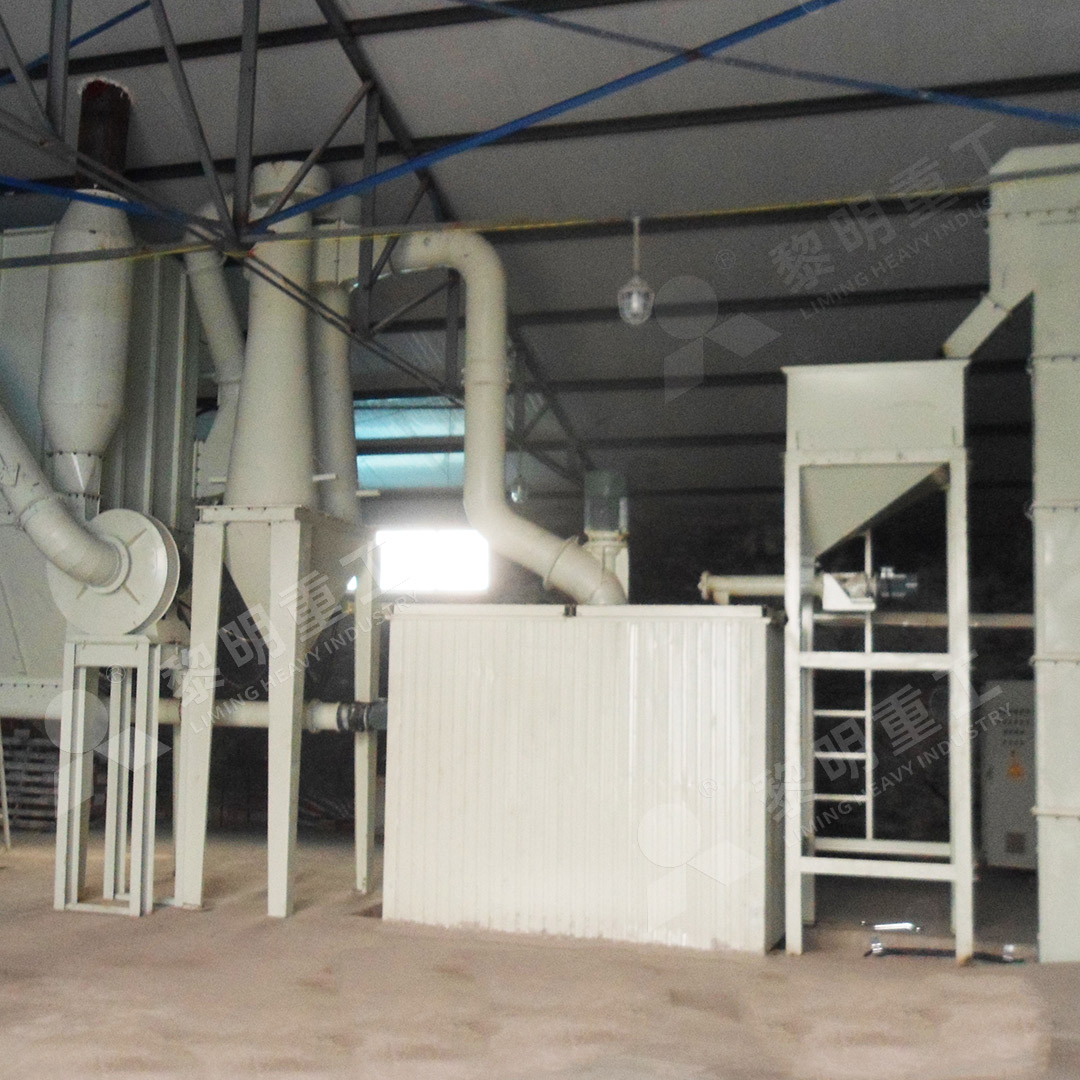
The Value of Technical Partnership
Investing in advanced machinery is only one part of the equation. A true partnership with your equipment supplier is invaluable. This includes access to genuine spare parts, comprehensive technical services, and operational support to ensure worry-free, continuous production. This cooperative approach minimizes downtime and maximizes the return on investment over the entire lifecycle of the equipment.
Conclusion
The future of phosphate rock processing lies in embracing technological cooperation and investing in innovative grinding solutions. Equipment like the MW Ultrafine Grinding Mill exemplifies this progress, combining high efficiency, precise control, and a commitment to sustainability. By leveraging such advanced technology and fostering strong technical partnerships, producers can significantly enhance their product quality, reduce operational costs, and maintain a competitive edge in a demanding market.