
Technical Collaboration in Phosphate Rock Grinding: Innovations for Enhanced Powder Production
We provide a wide range of mills — including Raymond mill, trapezoidal mill, vertical mill, ultrafine mill, and ball mill, obtained ISO9001 international quality certification, EU CE certification, and Customs Union CU-TR certification. Suitable for processing minerals such as limestone, phosphate, quicklime, kaolin, talc, barite, bentonite, calcium carbonate, dolomite, coal, gypsum, clay, carbon black, slag, cement raw materials, cement clinker, and more.
The discharge range of these mills can be adjusted to meet specific processing needs, typically from 80-400 mesh, 600-3250 mesh, and can achieve the finest particle size of up to 6000 mesh(D50).
If you are looking for a reliable grinding solution to turn stone or minerals into fine powder, please feel free to contact our online customer service.
Technical Collaboration in Phosphate Rock Grinding: Innovations for Enhanced Powder Production
The global demand for high-quality phosphate rock powder continues to rise, driven by its critical applications in fertilizers, animal feed supplements, and industrial chemicals. Achieving optimal particle size distribution and purity levels requires advanced grinding technologies and collaborative technical expertise. This article explores key innovations in phosphate rock grinding and highlights how strategic equipment selection can significantly enhance production efficiency.
Challenges in Phosphate Rock Comminution
Phosphate rock presents unique grinding challenges due to its variable hardness, abrasiveness, and moisture content. Traditional grinding methods often result in inconsistent particle sizes, high energy consumption, and excessive wear on machine components. The industry’s shift toward ultra-fine powder applications (325-2500 meshes) demands more sophisticated solutions that balance production capacity with operational costs.
Advanced Grinding Technologies
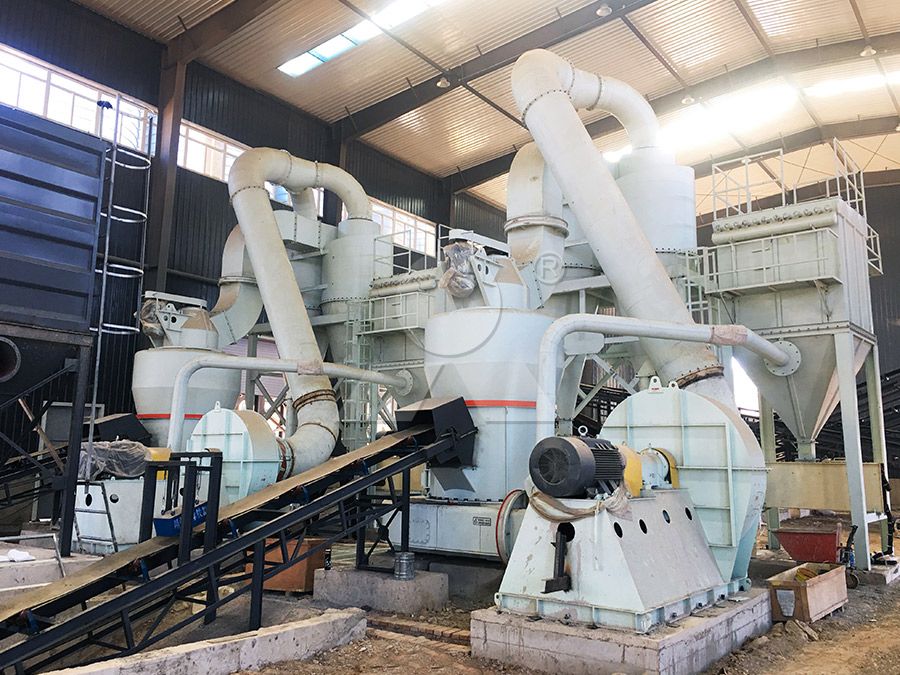
Modern grinding mills incorporate several technological advancements that address these challenges effectively. Among these, the MW Ultrafine Grinding Mill stands out for its exceptional performance in phosphate rock applications. With an input size capacity of 0-20 mm and production rates ranging from 0.5 to 25 tph, this equipment is specifically engineered for ultra-fine powder production. The mill’s innovative design eliminates rolling bearings and screws within the grinding chamber, significantly reducing maintenance concerns and potential downtime.
The MW Ultrafine Grinding Mill features German-developed cage-type powder selector technology, enabling precise fineness adjustment between 325-2500 meshes. This capability is particularly valuable for phosphate rock processing, where different applications require specific particle size distributions. The mill’s efficient pulse dust collector and muffler system ensure environmentally responsible operation, aligning with modern sustainability standards.
Collaborative Technical Development
Successful phosphate rock grinding operations increasingly rely on close collaboration between equipment manufacturers and processing plants. This partnership approach enables customized solutions that address site-specific challenges. Technical collaboration typically involves joint testing of material samples, optimization of grinding parameters, and development of tailored maintenance protocols.
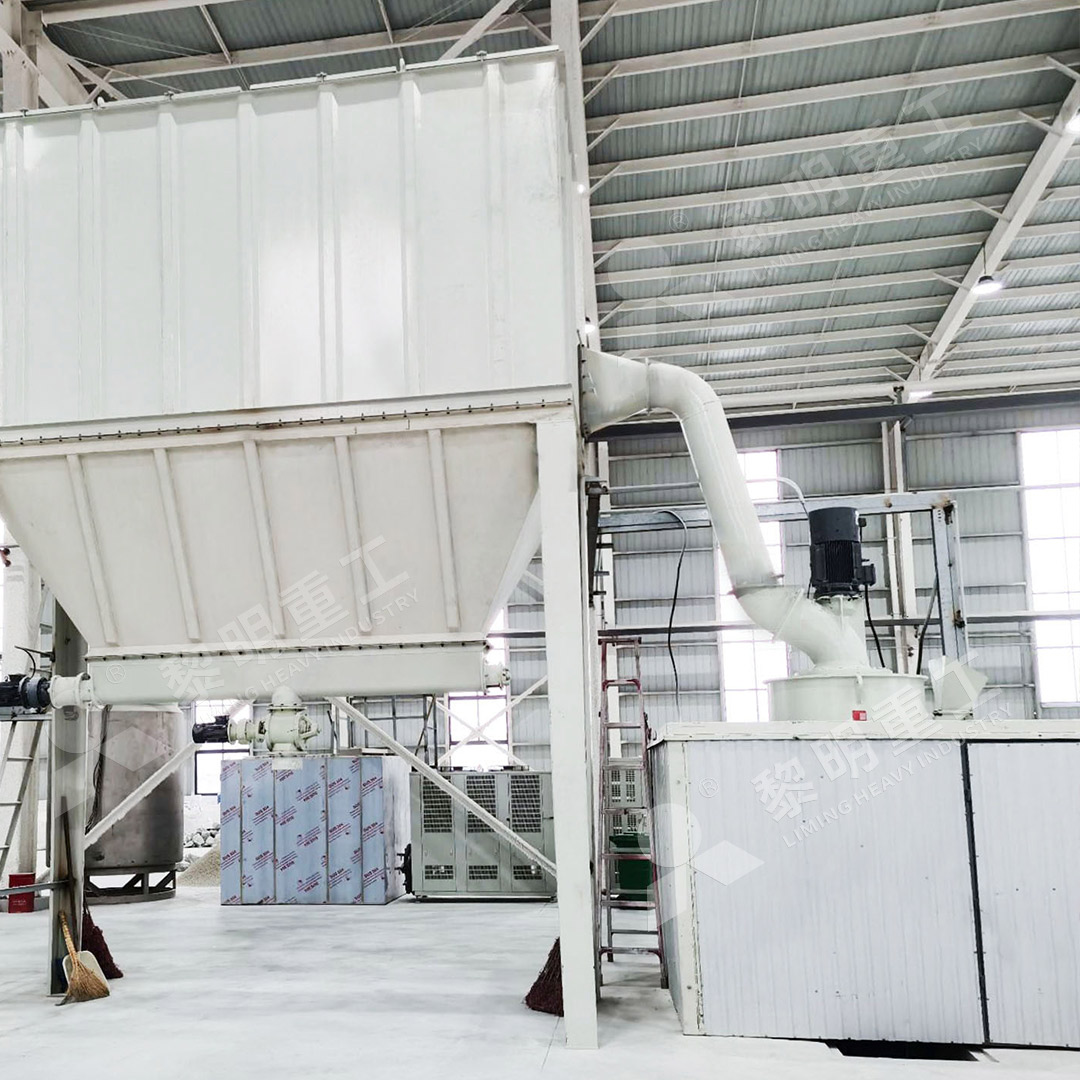
Another notable solution for phosphate rock processing is the LUM Ultrafine Vertical Grinding Mill, which integrates ultrafine powder grinding, grading, and transporting in a single system. With an input size of 0-10 mm and capacity of 5-18 tph, this mill employs advanced roller technology and powder separating mechanisms that enhance grinding efficiency while reducing energy consumption by 30-50% compared to conventional mills.
Operational Efficiency and Sustainability
The latest grinding technologies prioritize both operational efficiency and environmental sustainability. Modern mills incorporate digital processing controls that ensure high precision in core components, while automated systems enable continuous 24-hour operation with minimal human intervention. The elimination of direct contact between grinding rollers and rings in advanced mill designs minimizes iron contamination, preserving the chemical purity of phosphate powder products.
Energy efficiency remains a critical consideration, with innovative mills achieving 40% higher production capacity than jet grinding mills while consuming only 30% of the energy. These improvements directly impact operational costs and environmental footprint, making advanced grinding technologies increasingly attractive for phosphate processors seeking competitive advantages.
Frequently Asked Questions
What is the optimal fineness range for phosphate rock powder in fertilizer applications?
Most fertilizer applications require phosphate rock powder in the range of 100-325 meshes. The MW Ultrafine Grinding Mill’s adjustable fineness between 325-2500 meshes makes it suitable for various fertilizer formulations, allowing processors to precisely control particle size for optimal nutrient availability.
How does the absence of rolling bearings in the grinding chamber improve reliability?
The MW Ultrafine Grinding Mill’s design eliminates rolling bearings and screws within the chamber, preventing common failure points. This innovation reduces maintenance requirements and eliminates machine damage caused by loose screws or bearing seal failures, significantly enhancing operational reliability.
What advantages does the cage-type powder selector offer for phosphate rock grinding?
The German-technology cage-type powder selector in the MW Ultrafine Grinding Mill provides superior precision in particle separation. This results in more consistent product quality and higher screening efficiency, achieving d97≤5μm in a single pass, which is crucial for high-value phosphate applications.
How do modern grinding mills address environmental concerns?
Advanced mills incorporate integrated pulse dust collectors and noise reduction systems that minimize environmental impact. The MW Ultrafine Grinding Mill, for example, operates according to national environmental protection standards, with no dust pollution during operation and significantly reduced noise levels.
What technical support is available for optimizing phosphate rock grinding processes?
Equipment manufacturers typically provide comprehensive technical services, including process optimization, spare parts supply, and operational training. This collaborative approach ensures that grinding systems operate at peak efficiency throughout their lifecycle.