
Technical Breakthroughs in Nano-Calcium Carbonate Grinding Mills
We provide a wide range of mills — including Raymond mill, trapezoidal mill, vertical mill, ultrafine mill, and ball mill, obtained ISO9001 international quality certification, EU CE certification, and Customs Union CU-TR certification. Suitable for processing minerals such as limestone, phosphate, quicklime, kaolin, talc, barite, bentonite, calcium carbonate, dolomite, coal, gypsum, clay, carbon black, slag, cement raw materials, cement clinker, and more.
The discharge range of these mills can be adjusted to meet specific processing needs, typically from 80-400 mesh, 600-3250 mesh, and can achieve the finest particle size of up to 6000 mesh(D50).
If you are looking for a reliable grinding solution to turn stone or minerals into fine powder, please feel free to contact our online customer service.
Technical Breakthroughs in Nano-Calcium Carbonate Grinding Mills
The quest for ultra-fine and nano-sized calcium carbonate powders has driven significant innovation in grinding mill technology. Achieving consistent particle sizes in the range of 325 to 2500 meshes, and even down to d97≤5μm, requires overcoming challenges related to energy consumption, heat generation, wear, and environmental control. This article explores the key technological advancements that are setting new standards in this specialized field.
Core Technological Innovations
Modern mills have moved far beyond traditional ball mill designs. A pivotal breakthrough is the elimination of rolling bearings and screws within the grinding chamber itself. This design philosophy, exemplified in mills like our MW Ultrafine Grinding Mill, eliminates catastrophic failure points. Users are freed from worries about bearing seizures or damage from loose screws, dramatically increasing operational reliability and uptime. Furthermore, external lubrication systems allow for maintenance without shutdown, enabling true 24/7 continuous production—a critical factor for high-volume mineral processing.
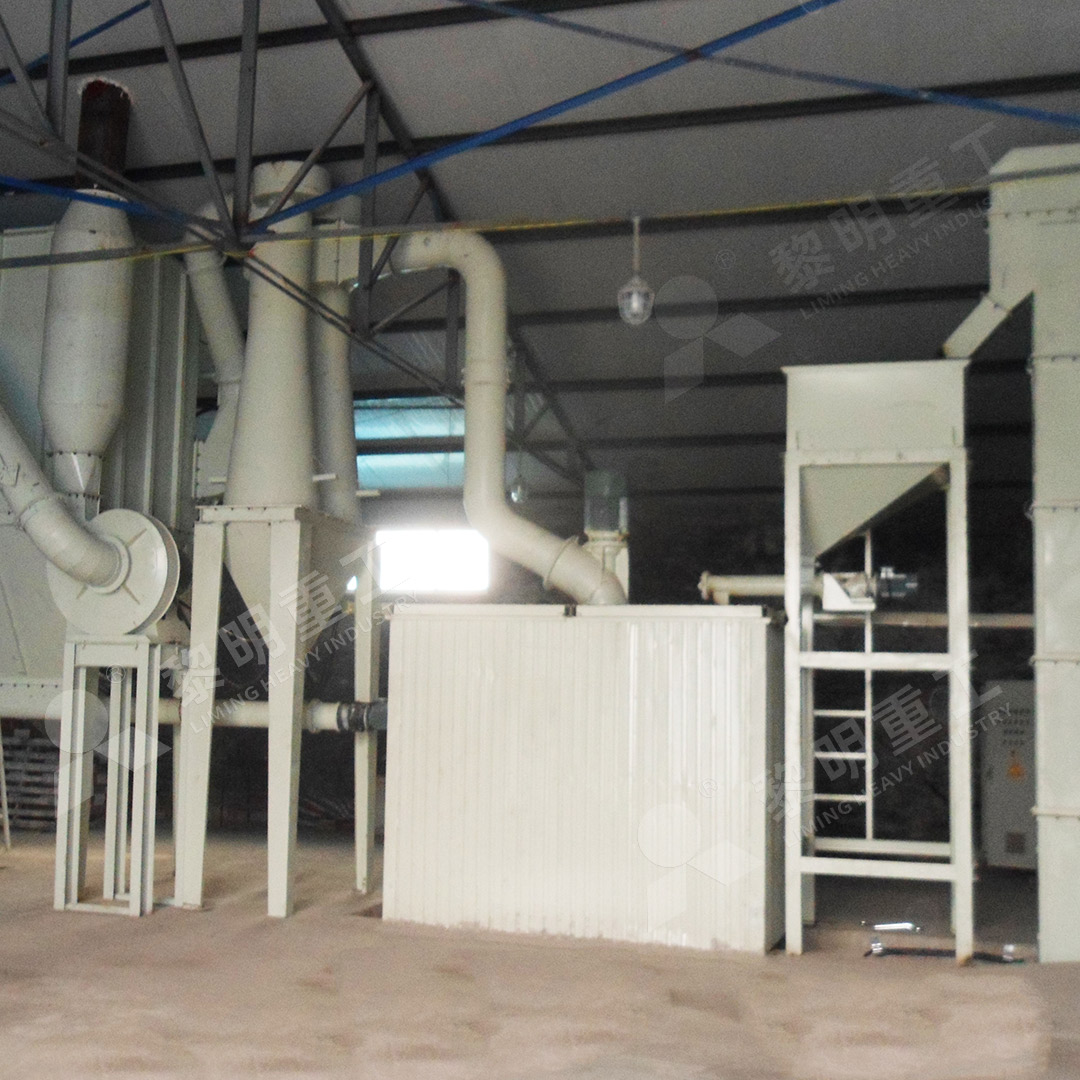
Another leap forward is the adoption of advanced, digitally-controlled powder classification systems. The use of multi-head, cage-type powder selectors, often incorporating German engineering principles, allows for unprecedented precision in particle separation. This technology enables operators to accurately dial in a specific fineness between 325 and 2500 meshes to meet exact customer specifications. The result is a higher yield of on-spec product in a single pass, reducing the need for recirculation and saving energy.
Efficiency and Environmental Performance
Energy consumption has long been the Achilles’ heel of fine grinding. The latest generation of mills tackles this through optimized grinding curves for rollers and rings, which maximize the grinding efficiency per revolution. Comparative data shows that some advanced models can achieve production capacities 40% higher than jet or stirred grinding mills and twice that of traditional ball mills, all while slashing system energy consumption by up to 30-50%.
Environmental stewardship is no longer an afterthought. Integrated pulse jet dust collectors ensure that no dust pollution escapes during operation, meeting stringent international环保 (environmental protection) standards. Complementing this, sophisticated mufflers and noise elimination rooms are designed to reduce acoustic pollution, making these mills suitable for installation in a wider range of locations.
Spotlight on Advanced Mill Designs
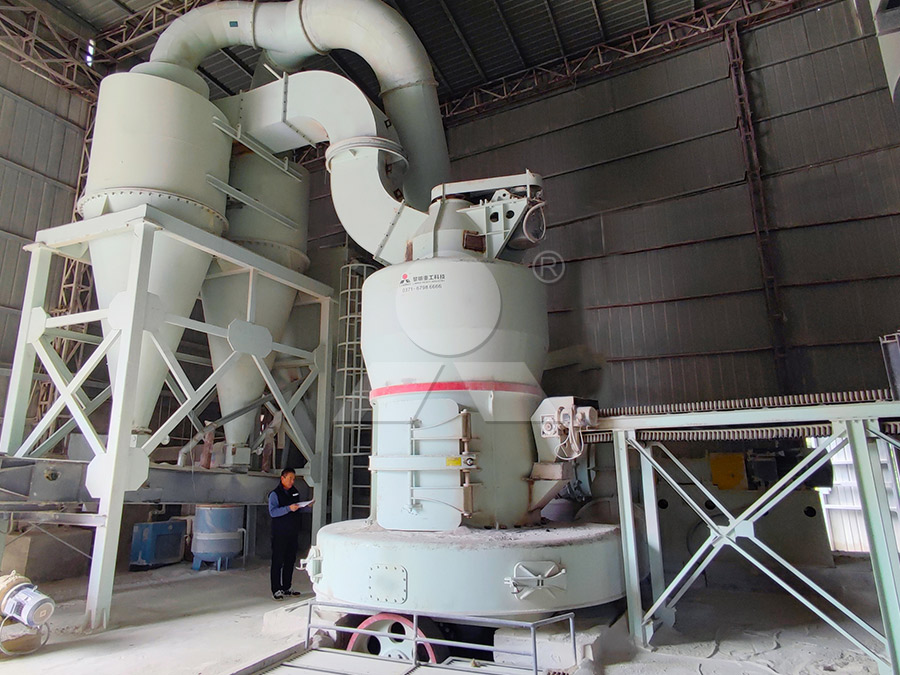
While the MW series excels in versatility and ultra-fine grinding, another standout for nano-calcium carbonate production is the LUM Ultrafine Vertical Grinding Mill. Its unique roller shell and lining plate grinding curve are engineered to easily generate a stable material layer, promoting efficient inter-particle comminution. This design is key to achieving a high rate of finished product in a single pass, which enhances whiteness and cleanliness—critical quality parameters for nano-CaCO₃ used in paints, plastics, and cosmetics.
The LUM mill also incorporates intelligent limiting technology. Electronic and mechanical systems work in tandem to prevent the grinding rollers from making destructive contact with the millstone during unexpected events like vibration from a large feedstock chunk. This protects the mill’s core components from catastrophic damage. Additionally, its reversible structure, aided by a hydraulic system, allows operators to easily swing the heavy grinding rollers out of the body for inspection and maintenance, significantly reducing downtime and associated costs.
Precision Manufacturing and Support
Underpinning these performance features is a commitment to precision manufacturing. Dozens of CNC (Computer Numerical Control) machine lines ensure that critical components like rollers, rings, and classifier rotors are machined to exacting tolerances. This digitalized processing is fundamental to achieving the balance and consistency required for stable operation at nano-scale grinding levels.
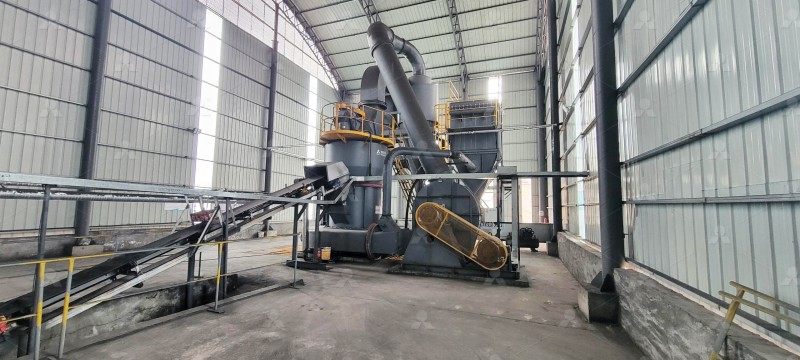
Finally, robust technical support and a guaranteed supply of original spare parts are essential for worry-free operation. Choosing a supplier like us, who takes full responsibility for the machines we produce, from manufacturing to after-sales service, ensures long-term productivity and protects your investment. The combination of breakthrough technology, manufacturing excellence, and reliable support is what truly defines the next generation of nano-calcium carbonate grinding mills.