
Technical Advantages of European-Style Grinding Mills in Slag Processing
We provide a wide range of mills — including Raymond mill, trapezoidal mill, vertical mill, ultrafine mill, and ball mill, obtained ISO9001 international quality certification, EU CE certification, and Customs Union CU-TR certification. Suitable for processing minerals such as limestone, phosphate, quicklime, kaolin, talc, barite, bentonite, calcium carbonate, dolomite, coal, gypsum, clay, carbon black, slag, cement raw materials, cement clinker, and more.
The discharge range of these mills can be adjusted to meet specific processing needs, typically from 80-400 mesh, 600-3250 mesh, and can achieve the finest particle size of up to 6000 mesh(D50).
If you are looking for a reliable grinding solution to turn stone or minerals into fine powder, please feel free to contact our online customer service.
Technical Advantages of European-Style Grinding Mills in Slag Processing
Slag processing presents unique challenges in the industrial milling sector, demanding equipment that combines robust construction, high efficiency, and precise particle size control. European-style grinding mills, characterized by their advanced engineering and innovative design principles, have emerged as the superior choice for this demanding application. Their technical advantages are not merely incremental; they represent a fundamental shift in processing efficiency, operational stability, and environmental compliance.
Superior Grinding Efficiency and Energy Economy
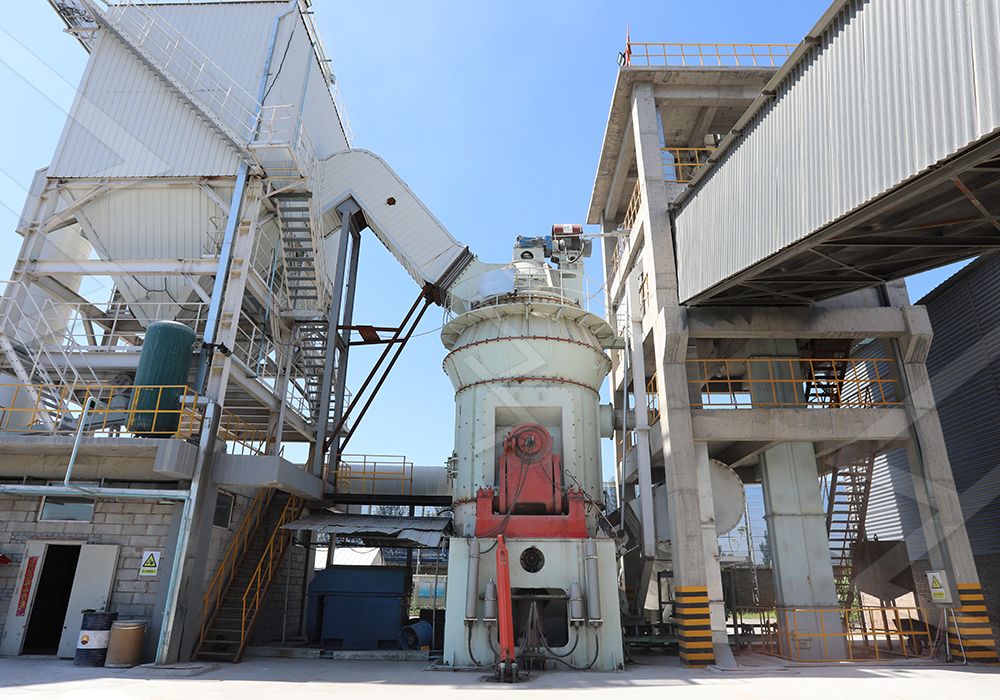
The core of the European design philosophy lies in optimizing the grinding curve of rollers and rings. This geometry ensures maximum contact with the material bed, leading to a more efficient size reduction process. Compared to traditional ball mills, these mills can achieve the same fineness with significantly lower energy consumption—often 30% to 50% less. This is a critical advantage in slag processing, where volumes are high and energy costs are a major operational expense. The multi-head cage-type powder selector, a technology often sourced from leading European manufacturers, allows for precise control over fineness, typically adjustable between 325 to 2500 meshes, ensuring the final slag powder meets exact specification requirements.
Enhanced Reliability and Simplified Maintenance
Downtime is the enemy of productivity. European-style mills address this through designs that eliminate common failure points. A significant innovation is the absence of rolling bearings and screws within the grinding chamber itself. This design eliminates concerns about bearing seizure or damage from loose fasteners, which are frequent issues in harsh grinding environments. Furthermore, features like external lubricating systems enable lubrication without shutdown, facilitating 24/7 continuous operation that is essential for large-scale slag processing plants. For maintenance, some models feature reversible structures, allowing heavy grinding rollers to be easily swung out of the mill body for inspection or liner replacement, drastically reducing maintenance time and associated costs.
Environmental Performance and Operational Cleanliness
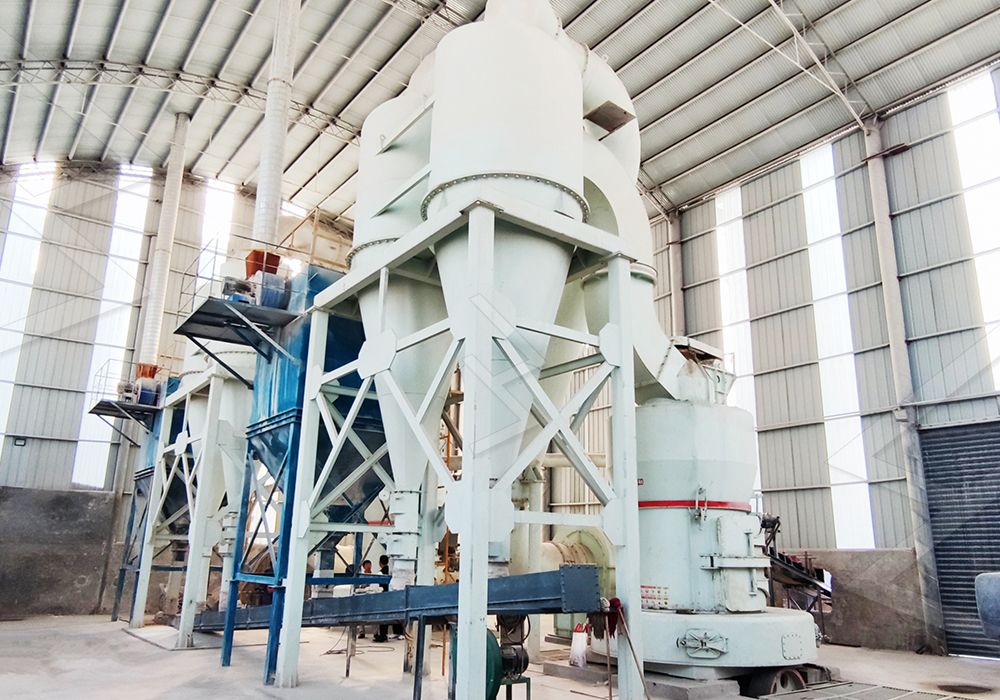
Modern industrial operations must adhere to stringent environmental standards. European-style mills are designed with this imperative at their core. The integration of high-efficiency pulse jet dust collectors ensures that the entire milling system operates without dust pollution. The systems are fully sealed and operate under negative pressure, preventing any spillage. Additionally, advanced mufflers and soundproofing technologies are employed to reduce operational noise to well within acceptable limits, creating a safer and more comfortable working environment. This commitment to eco-friendliness makes these mills ideal for plants located near urban areas or with strict corporate sustainability mandates.
Recommended Product for Slag Processing: MW Ultrafine Grinding Mill
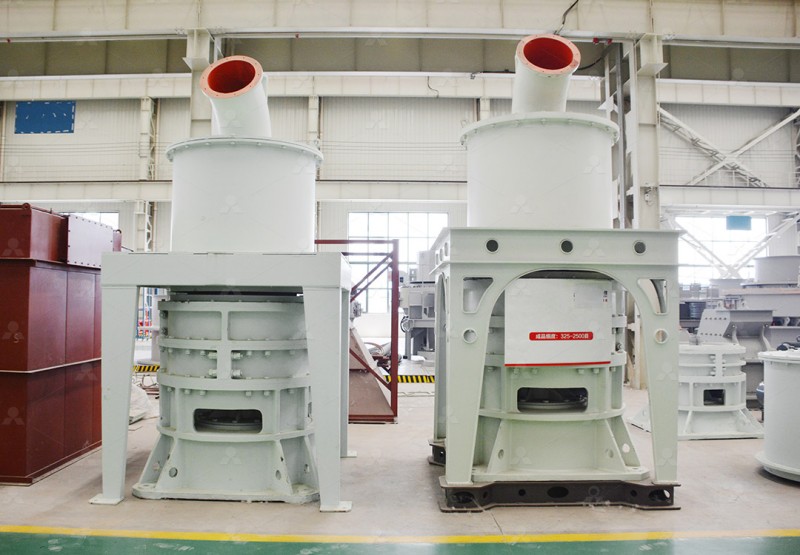
For operations focused on producing ultra-fine slag powder, our MW Ultrafine Grinding Mill is an exemplary solution that embodies these European technical advantages. Designed for customers requiring ultra-fine powder, it is perfectly suited for transforming granulated blast furnace slag into a highly valuable cementitious material.
With an input size of 0-20 mm and a capacity range of 0.5-25 tph, it offers remarkable flexibility. Its key features include higher yielding and lower energy consumption, achieving output 40% higher than jet mills while using only 30% of the energy. The German-technology cage-type powder selector ensures precise fineness adjustment between 325-2500 meshes. Crucially, its maintenance-friendly design—with no rolling bearings in the grinding chamber and an external lubrication system—guarantees worry-free, continuous operation, maximizing your plant’s uptime and profitability.
Conclusion
The technical superiority of European-style grinding mills in slag processing is undeniable. Their innovative design translates into tangible benefits: drastically reduced operating costs through energy savings, unparalleled reliability that maximizes availability, and a clean, quiet operation that meets the highest environmental standards. Investing in this technology is not just an equipment purchase; it’s a strategic decision to enhance the efficiency and sustainability of your slag processing operations.