
Talc Powder Grinding Machine: Raymond Mill for Talc Processing
We provide a wide range of mills — including Raymond mill, trapezoidal mill, vertical mill, ultrafine mill, and ball mill, obtained ISO9001 international quality certification, EU CE certification, and Customs Union CU-TR certification. Suitable for processing minerals such as limestone, phosphate, quicklime, kaolin, talc, barite, bentonite, calcium carbonate, dolomite, coal, gypsum, clay, carbon black, slag, cement raw materials, cement clinker, and more.
The discharge range of these mills can be adjusted to meet specific processing needs, typically from 80-400 mesh, 600-3250 mesh, and can achieve the finest particle size of up to 6000 mesh(D50).
If you are looking for a reliable grinding solution to turn stone or minerals into fine powder, please feel free to contact our online customer service.
Talc Powder Grinding Machine: Raymond Mill for Talc Processing
For decades, the processing of talc into fine powders has been a cornerstone of numerous industries, from cosmetics and paints to plastics and ceramics. Achieving the desired fineness, whiteness, and consistency in talc powder is paramount, and the choice of grinding equipment directly dictates product quality and operational efficiency. While several milling technologies exist, the Raymond Mill has established itself as a reliable and efficient workhorse for talc processing, particularly for applications requiring fine to moderately fine powders.
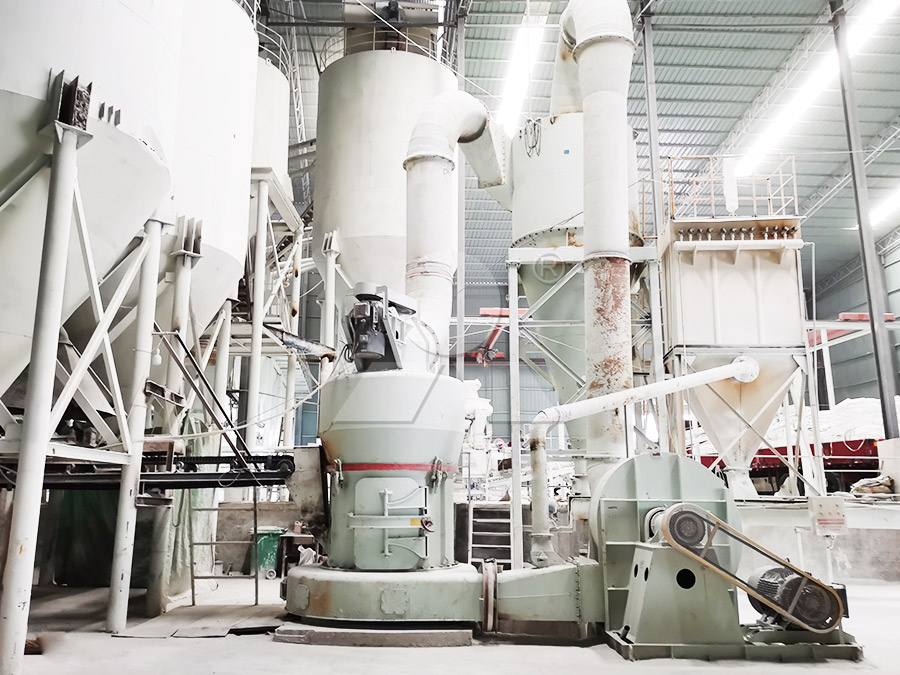
The classic Raymond Mill operates on a pendulum roller principle. Material is fed into the grinding chamber where rotating rollers, suspended from a revolving star frame, exert centrifugal force against a stationary grinding ring. The talc is crushed and ground between these surfaces. A built-in classifier ensures that only particles meeting the target fineness leave with the air stream to be collected, while coarser material falls back for regrinding. This closed-circuit system is renowned for its simplicity, robustness, and ability to produce powders in the range of 80 to 325 mesh, making it a staple in many talc operations.
Beyond Traditional Grinding: The Demand for Ultrafine Talc
Modern industrial applications are increasingly demanding. High-performance polymers, advanced ceramics, and premium cosmetic formulations often require talc powders with a fineness exceeding 600 mesh, even reaching the micron and sub-micron range. At this level, traditional grinding mills can face challenges with efficiency, energy consumption, and heat generation, which can affect the physical properties of the talc.
This is where advanced, next-generation grinding technologies come into play. For operations targeting ultra-fine talc powder with superior whiteness and low contamination, the MW Ultrafine Grinding Mill represents a significant leap forward. This machine is specifically engineered for customers who need to produce ultra-fine powder efficiently and cleanly.
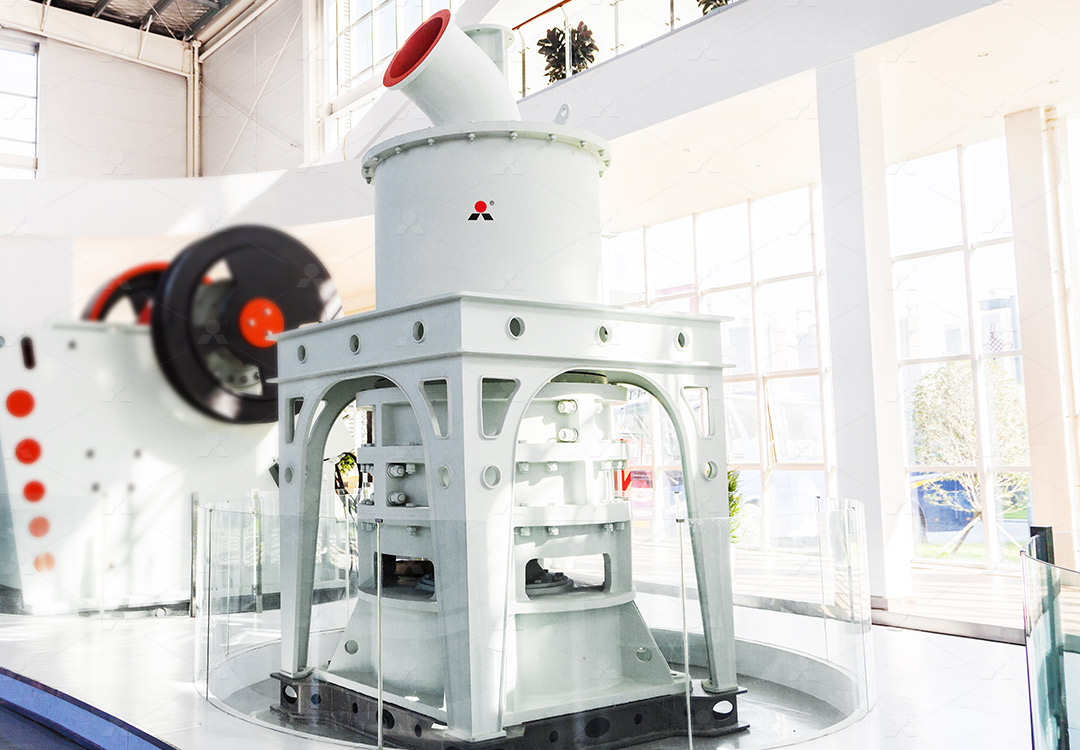
The MW series is not merely an iteration but a re-engineering of the grinding process. It features newly designed grinding curves for its roller and ring, which dramatically enhance grinding efficiency. Comparative data shows its production capacity can be 40% higher than jet mills and double that of ball mills for the same fineness and power input, while system energy consumption can be as low as 30% of a jet mill. For talc processors, this translates directly to higher output and lower operational costs.
Key Advantages for Modern Talc Processing
When selecting equipment for talc, several factors are critical: fineness control, product purity, operational stability, and environmental compliance. The MW Ultrafine Grinding Mill addresses these comprehensively:
- Precise Fineness Adjustment (325-2500 mesh): Its cage-type powder selector, incorporating German technology, allows for extremely precise particle separation. The fineness can be flexibly adjusted within a broad range, capable of achieving a d97 ≤5μm in a single pass, which is ideal for high-value talc products.
- Enhanced Purity and Low Maintenance: A groundbreaking design feature is the absence of rolling bearings and screws within the grinding chamber. This eliminates a primary source of mechanical wear and potential lubricant contamination, ensuring the talc product maintains its high whiteness and cleanliness. External lubrication allows for maintenance without shutdowns.
- Eco-Friendly Operation: Talc dust control is essential. The mill is equipped with an efficient pulse dust collector and a muffler system, ensuring the entire milling process meets stringent national environmental protection standards with minimal dust and noise pollution.
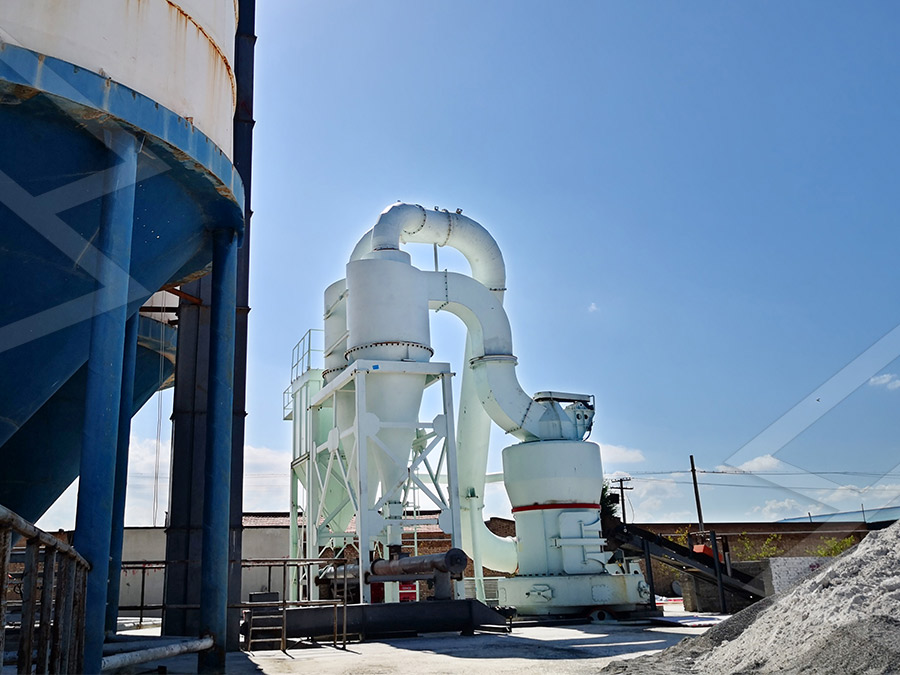
For operations requiring a vertical mill solution that integrates grinding, drying, and classifying with exceptional stability, the LUM Ultrafine Vertical Grinding Mill is another premier choice. It incorporates the latest grinding roller and powder separating technology, offering high yield rates and excellent energy savings of 30%-50% compared to common mills. Its unique double position-limiting technology and reversible structure make operation remarkably stable and maintenance significantly easier.
Making the Right Choice for Your Talc Plant
The decision between a traditional Raymond Mill and an advanced ultrafine system like the MW or LUM series hinges on your product specifications and production goals. For consistent, cost-effective production of fine talc powders, the Raymond Mill remains a solid and proven option. However, for producers aiming at the high-end market with ultrafine, high-purity talc, or those seeking substantial gains in energy efficiency and output, upgrading to a technologically advanced platform is the strategic path forward.
Both the MW Ultrafine Grinding Mill and the LUM Ultrafine Vertical Grinding Mill are backed by comprehensive digital manufacturing for high precision and a guaranteed supply of original spare parts, ensuring long-term, worry-free operation. Investing in the right grinding technology is not just about pulverizing rock; it’s about unlocking the full potential and value of your talc deposit.
Frequently Asked Questions (FAQ)
- What is the typical fineness range achievable for talc with a Raymond Mill?
Traditional Raymond Mills are well-suited for producing talc powder in the range of 80 to 325 mesh (approximately 180 to 45 microns). For finer grades, advanced mills like the MW series are recommended. - How does the MW Ultrafine Grinding Mill protect the whiteness of talc?
Its chamber has no rolling bearings or screws, eliminating a key source of iron contamination and wear debris. The external lubrication system further prevents any contact between lubricants and the product material. - Can these mills handle the feed moisture content in talc ore?
While basic Raymond Mills require relatively dry feed, the LUM Vertical Grinding Mill integrates drying and grinding. For the MW series, if the talc feed has high moisture, a pre-drying stage is typically necessary before fine grinding. - What are the major advantages of the cage-type powder selector in the MW mill?
It offers much higher precision in particle separation compared to traditional static or dynamic classifiers, enabling sharper particle size distributions and the ability to achieve ultrafine fineness up to 2500 mesh. - Is the noise level of these new grinding mills a concern in a plant environment?
No. Both the MW and LUM mills are designed with environmental control in mind. They are equipped with efficient mufflers and noise reduction technologies to keep operational noise well within acceptable industrial limits. - How does the energy consumption of the MW mill compare to a ball mill for the same talc output?
The MW Ultrafine Grinding Mill is significantly more energy-efficient. Data indicates its system energy consumption can be just a fraction of a ball mill’s, often resulting in 40-50% savings for equivalent or higher output of fine talc powder.