
Talc Grinding Mill Machine for Industrial Powder Production
We provide a wide range of mills — including Raymond mill, trapezoidal mill, vertical mill, ultrafine mill, and ball mill, obtained ISO9001 international quality certification, EU CE certification, and Customs Union CU-TR certification. Suitable for processing minerals such as limestone, phosphate, quicklime, kaolin, talc, barite, bentonite, calcium carbonate, dolomite, coal, gypsum, clay, carbon black, slag, cement raw materials, cement clinker, and more.
The discharge range of these mills can be adjusted to meet specific processing needs, typically from 80-400 mesh, 600-3250 mesh, and can achieve the finest particle size of up to 6000 mesh(D50).
If you are looking for a reliable grinding solution to turn stone or minerals into fine powder, please feel free to contact our online customer service.
Talc Grinding Mill Machine for Industrial Powder Production
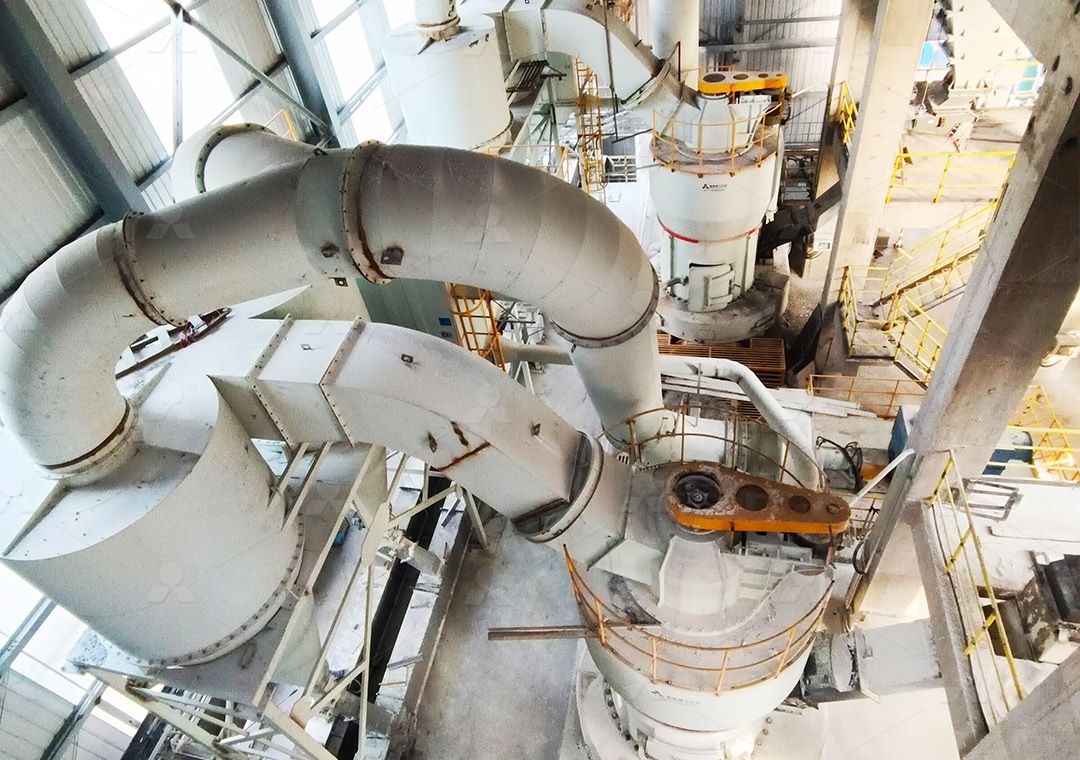
The industrial production of talc powder is a cornerstone of numerous modern industries, from cosmetics and pharmaceuticals to paints, plastics, and ceramics. Achieving the precise particle size, high whiteness, and consistent quality required for these applications demands more than just a standard grinder; it requires sophisticated, purpose-built milling technology. The choice of grinding equipment directly impacts production efficiency, product quality, operational costs, and environmental footprint.
For producers seeking to move beyond conventional ball mills or older Raymond mill designs, modern ultrafine grinding solutions offer transformative advantages. These advanced systems are engineered to handle the soft, plate-like structure of talc efficiently, minimizing over-grinding and heat generation that can degrade the material’s inherent properties.
Key Considerations in Talc Grinding
Successful talc powder production hinges on several critical factors. First is fineness control. Different industries require specific mesh sizes, ranging from coarse fillers (325 mesh) to ultra-fine additives exceeding 2500 mesh for high-end cosmetics. The ability to precisely adjust and maintain this fineness is paramount. Second is product purity and whiteness. The grinding process must not introduce metallic contamination from wear parts, which can discolor the powder. Systems designed to minimize iron content are essential for preserving talc’s brightness.
Third, energy efficiency represents a major operational cost. Traditional milling methods are notoriously energy-intensive. Modern mills leverage optimized grinding mechanics and efficient classifiers to achieve higher yield per kilowatt-hour. Finally, environmental and operational cleanliness is non-negotiable. A fully sealed, negative-pressure system with integrated dust collection ensures a dust-free workshop and compliance with stringent environmental regulations, while also protecting the machinery and operators.
Advanced Milling Technology: The MW Ultrafine Grinding Mill
Meeting these demanding criteria requires a technological leap. For operations focused on high-value, ultra-fine talc powder, the MW Ultrafine Grinding Mill stands out as a premier solution. This machine is specifically engineered for customers who need to produce ultra-fine powder with superior efficiency and reliability.
The MW Mill’s core advantage lies in its innovative design that delivers higher yield with significantly lower energy consumption. Its newly designed grinding curves for the roller and ring enhance grinding efficiency dramatically. Comparative data shows its production capacity can be 40% higher than jet or stirred grinding mills, and double that of a traditional ball mill, while system energy consumption is reduced to just 30% of a jet mill’s. For talc producers, this translates directly to a lower cost per ton and a stronger competitive edge.
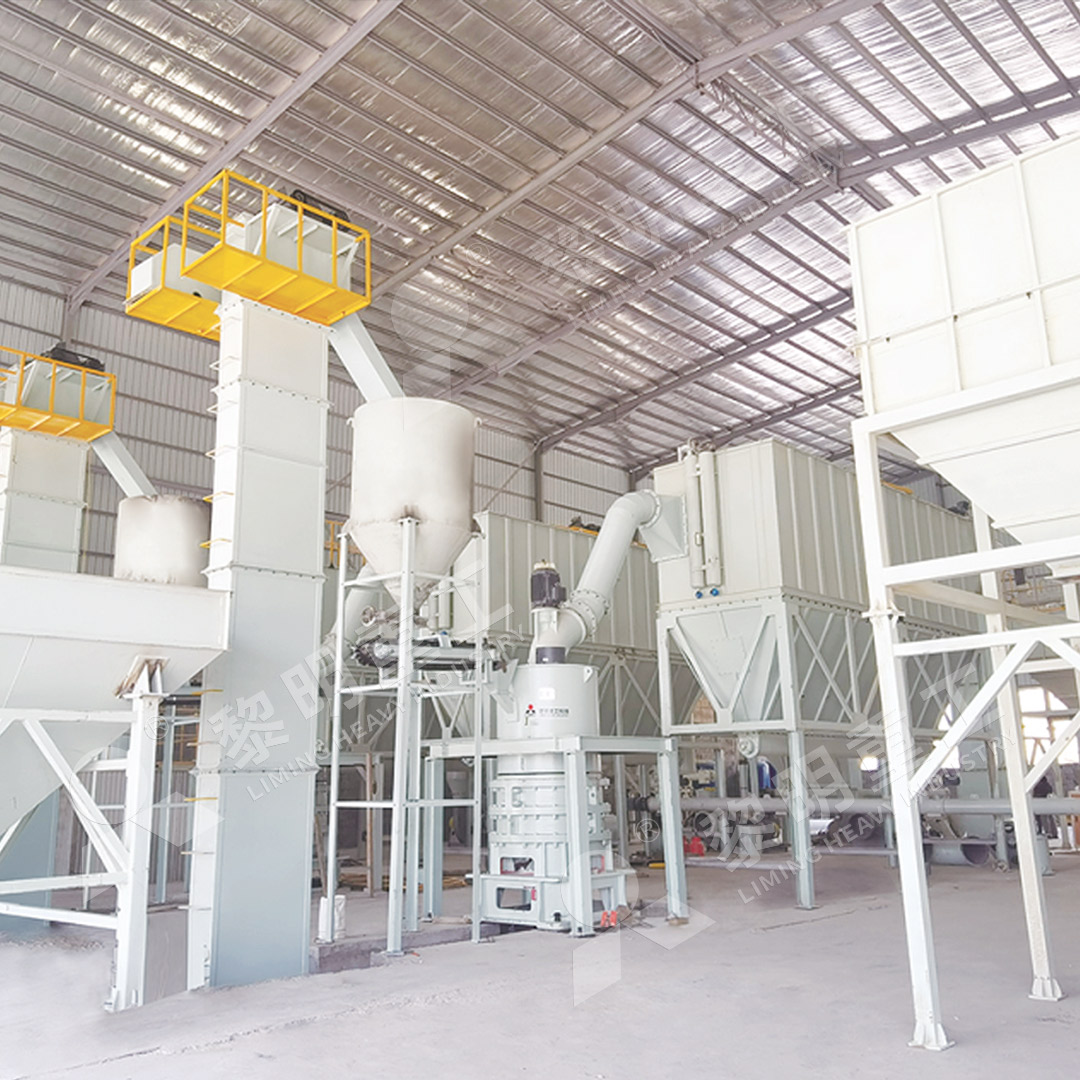
Precision is another hallmark. The mill features a cage-type powder selector utilizing German technology, allowing precise fineness adjustment between 325 and 2500 meshes. It can achieve a remarkable screening rate of d97≤5μm in a single pass. Crucially for maintenance and uptime, the grinding chamber contains no rolling bearings or screws, eliminating common failure points like bearing seizures or loose fasteners causing damage. Lubrication is performed externally without shutdown, supporting continuous 24/7 production cycles.
Furthermore, the MW Ultrafine Grinding Mill is designed as an environmentally responsible system from the ground up. It comes equipped with an efficient pulse dust collector and silencer, ensuring no dust pollution and low-noise operation that aligns fully with national environmental protection standards. Its digitalized manufacturing process guarantees high precision, especially for core components, and is backed by a complete supply of original spare parts for worry-free, long-term operation.
Vertical Integration: The LUM Ultrafine Vertical Grinding Mill
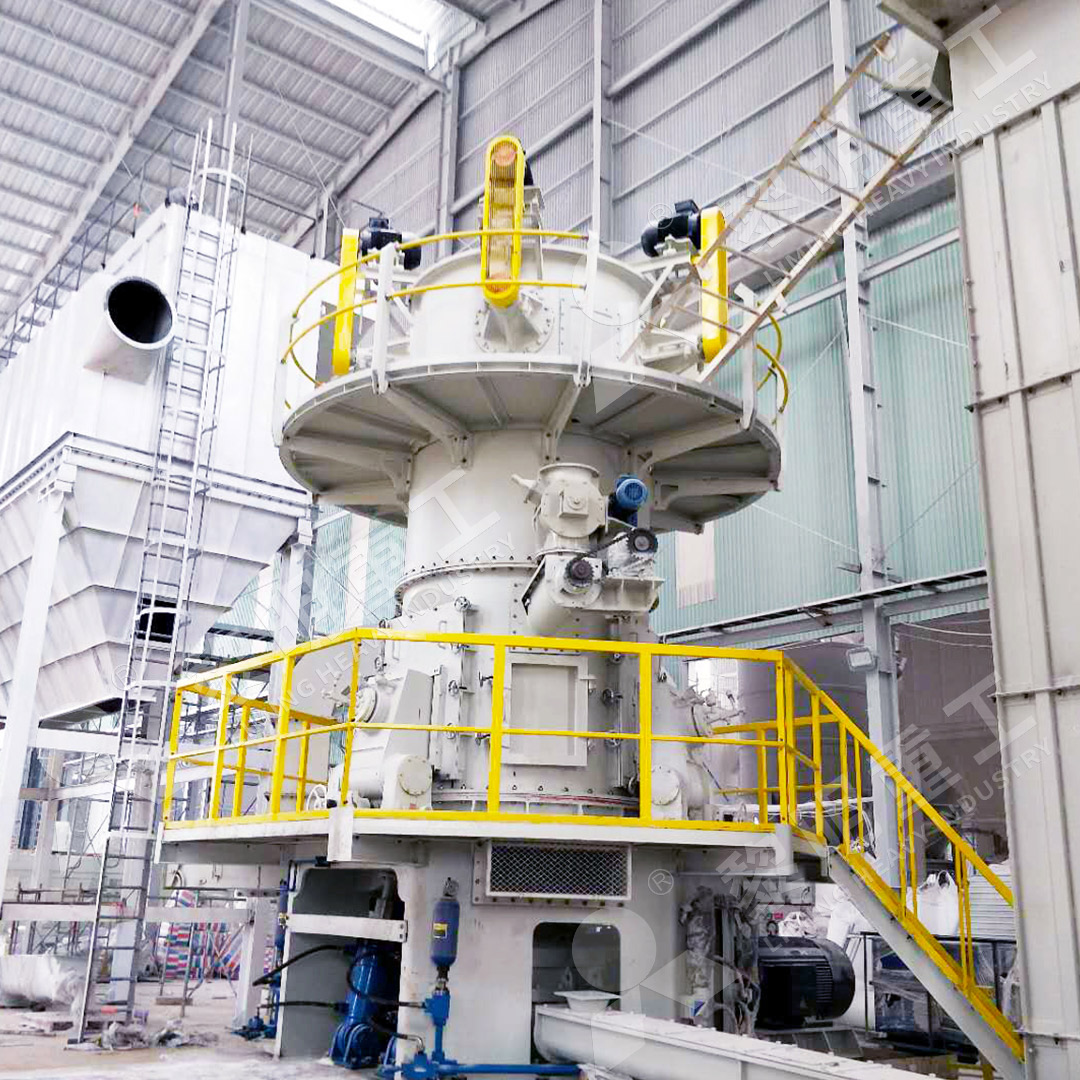
For projects requiring a different mechanical approach with exceptional stability and ease of maintenance, the LUM Ultrafine Vertical Grinding Mill presents a formidable alternative. Integrating grinding, grading, and transporting into a single, compact unit, it is an excellent choice for high-volume talc processing.
The LUM Mill incorporates the latest grinding roller technology from Taiwan and advanced German powder separating technology. Its unique roller shell and lining plate grinding curve are designed to generate a stable material layer easily, enabling a high rate of finished product from a single pass. This not only boosts efficiency but also enhances the whiteness and cleanliness of the final talc powder by reducing repeated grinding. Its PLC-controlled, multi-head powder separating technology allows precise control over grinding parameters and reduces energy consumption by 30-50% compared to common mills.
Operational stability is ensured through double position-limiting technology, which protects the mill from destructive impacts during unexpected vibration. Perhaps most notably for maintenance teams, its reversible structure, coupled with a hydraulic system, allows grinding rollers to be easily moved out of the mill body for inspection, liner replacement, and other servicing, drastically reducing downtime and associated losses.
Making the Strategic Choice
Selecting the right talc grinding mill is a strategic decision that affects your plant’s productivity for years to come. Whether your priority is achieving the utmost fineness with maximum energy savings (favoring the MW Ultrafine Grinding Mill) or you value vertical integration, exceptional stability, and unparalleled maintenance access (leaning towards the LUM Ultrafine Vertical Mill), modern technology offers clear paths forward.
Both the MW and LUM series exemplify the shift towards intelligent, eco-friendly, and highly efficient powder production. By investing in such technology, talc processors can ensure consistent product quality, meet evolving market demands for finer and purer powders, and do so in a way that controls operational costs and minimizes environmental impact. The future of industrial mineral processing lies in such advanced, reliable, and sustainable grinding solutions.
Frequently Asked Questions (FAQ)
1. What is the typical input size for talc into these advanced grinding mills?
For optimal performance in mills like the MW Ultrafine Grinding Mill, talc should be pre-crushed to a size of 0-20 mm. The LUM Ultrafine Vertical Mill typically handles a slightly smaller feed size of 0-10 mm. Proper pre-crushing ensures smooth feeding and maximizes grinding efficiency.
2. How is iron contamination prevented during the grinding of talc?
Advanced mills are designed with this critical concern in mind. They utilize wear-resistant alloys for grinding components and feature mechanical designs where the grinding roller and millstone do not make direct metal-to-metal contact. Furthermore, the absence of rolling bearings and screws in the grinding chamber (as in the MW Mill) and the use of electronic limiting technology (in the LUM Mill) virtually eliminate sources of metallic wear, preserving the whiteness of the talc powder.
3. Can the fineness of the final product be adjusted easily?
Yes, absolutely. Modern mills feature advanced, externally adjustable powder selectors. For instance, the MW Mill’s cage-type selector allows operators to precisely adjust the product fineness anywhere between 325 and 2500 meshes without stopping the mill, offering tremendous flexibility for different customer specifications.
4. Are these milling systems environmentally friendly?
Yes, environmental protection is a core design principle. Both recommended mills operate under negative pressure and are equipped with high-efficiency pulse jet dust collectors (like the one standard on the MW Mill) that capture over 99.9% of dust. Integrated silencers and soundproofing materials significantly reduce noise pollution, ensuring full compliance with industrial environmental standards.
5. What about maintenance and spare parts availability?
These mills are designed for reliability and easy maintenance. Features like the external lubrication system of the MW Mill and the reversible roller structure of the LUM Mill minimize downtime. As the manufacturer, we take full responsibility for every machine and guarantee a sufficient supply of original spare parts and technical support to ensure your worry-free, continuous operation.
6. What production capacity can I expect?
Capacity depends on the desired fineness. The MW Ultrafine Grinding Mill offers a range from 0.5 to 25 tons per hour. The LUM Ultrafine Vertical Mill ranges from 5 to 18 tons per hour. Our engineering team can provide a precise capacity forecast based on your specific talc characteristics and target particle size distribution.