
Talc Grinding Mill for Putty Powder Production: Achieving Fineness and Efficiency
We provide a wide range of mills — including Raymond mill, trapezoidal mill, vertical mill, ultrafine mill, and ball mill, obtained ISO9001 international quality certification, EU CE certification, and Customs Union CU-TR certification. Suitable for processing minerals such as limestone, phosphate, quicklime, kaolin, talc, barite, bentonite, calcium carbonate, dolomite, coal, gypsum, clay, carbon black, slag, cement raw materials, cement clinker, and more.
The discharge range of these mills can be adjusted to meet specific processing needs, typically from 80-400 mesh, 600-3250 mesh, and can achieve the finest particle size of up to 6000 mesh(D50).
If you are looking for a reliable grinding solution to turn stone or minerals into fine powder, please feel free to contact our online customer service.
Introduction: The Critical Role of Talc in Putty Powder
In the world of construction and finishing materials, putty powder stands as a fundamental component for creating smooth, durable surfaces. The performance of putty—its workability, adhesion, and final finish—is intrinsically linked to the quality of its raw materials, with talc being a primary filler and extender. Talc, a hydrated magnesium silicate, is prized for its softness, lubricity, and chemical inertness. However, to unlock its full potential in putty formulations, it must be processed into an ultra-fine, consistent powder. This is where the selection of an appropriate talc grinding mill becomes a decisive factor for manufacturers aiming for superior product quality and operational efficiency.
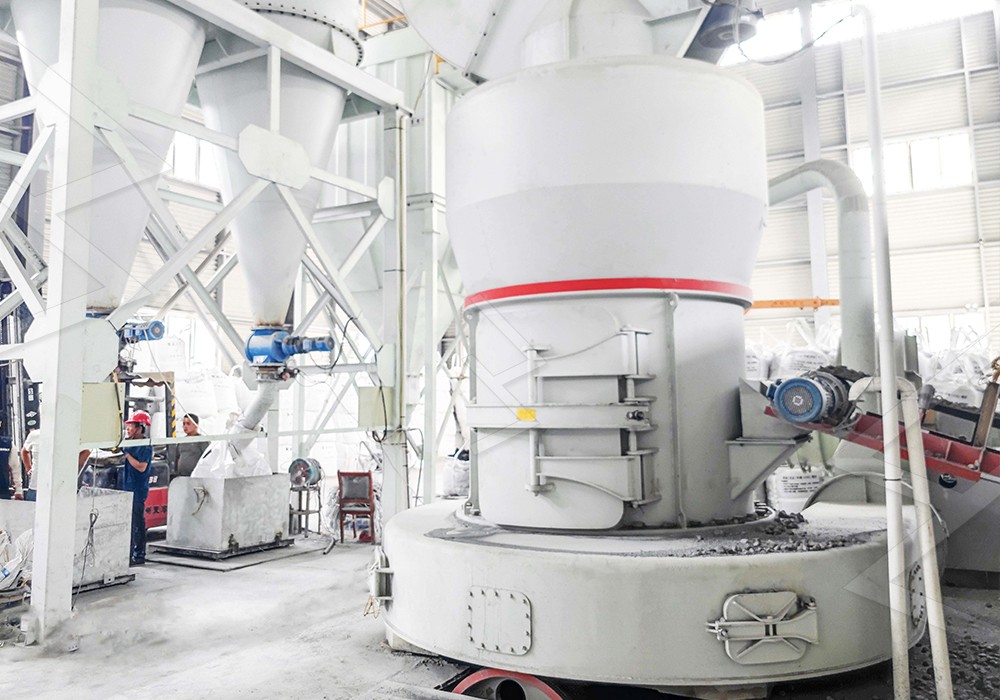
The grinding process directly influences key talc properties such as particle size distribution (PSD), brightness, and bulk density. An optimal PSD ensures better packing density within the putty matrix, leading to improved crack resistance, reduced water absorption, and a smoother application feel. Consequently, investing in advanced grinding technology is not merely an equipment purchase but a strategic move to enhance final product value.
Key Challenges in Talc Grinding for Putty
Grinding talc presents unique challenges that not all milling systems can address effectively. First, talc’s platy, lamellar structure requires a grinding action that can delaminate the particles without excessive heat generation, which can degrade the material. Second, the target fineness for high-grade putty often falls within the superfine range (commonly from 600 to 1250 meshes), demanding precise classification. Third, operational concerns like energy consumption, dust control, and maintenance downtime are constant pressures on production costs. Traditional ball mills or basic Raymond mills often struggle with low efficiency, high energy use, and inadequate fineness control for these premium applications.
Advanced Milling Solutions: Beyond Conventional Grinding
The evolution of grinding technology has led to the development of mills specifically engineered to overcome these hurdles. Modern mills integrate principles of centrifugal grinding, precision air classification, and intelligent system design to deliver superior performance. For talc processing, two primary technological paths have proven exceptionally effective: ultra-fine ring-roller mills and vertical roller mills. Each offers distinct advantages tailored to different production scales and fineness requirements.
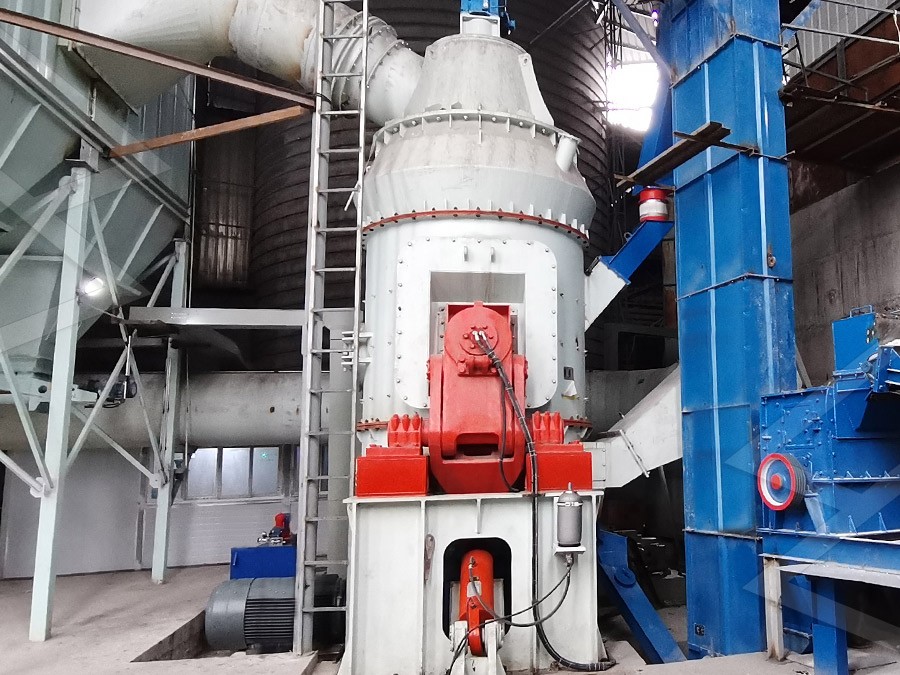
Ring-roller mills (like European Trapezium Mills) utilize multiple grinding rollers rotating against a stationary ring. Material is fed centrally and ground by compression and shear as it moves under the rollers. This design is renowned for its stable operation and excellent particle shape control. Vertical roller mills, on the other hand, employ a rotating grinding table with rollers that press onto the material bed. They integrate grinding, drying (if needed), and classification in a single, compact footprint, offering remarkable energy efficiency.
Introducing the MW Ultrafine Grinding Mill: Engineered for Excellence
For operations where the pinnacle of fineness and purity is non-negotiable, the MW Ultrafine Grinding Mill represents a paradigm shift. This equipment is designed for customers dedicated to producing ultra-fine powder with exceptional quality. It excels in processing minerals like talc, calcite, and barite to fineness levels between 325 and an impressive 2500 meshes, making it ideal for high-end putty powder, cosmetics, and advanced coatings.
What sets the MW Mill apart is its holistic design focused on yield, cleanliness, and reliability. Its newly designed grinding curves for the roller and ring enhance efficiency dramatically. In practical terms, with identical fineness and power input, its production capacity can be 40% higher than jet or stirred mills and double that of a traditional ball mill, while system energy consumption is slashed to just 30% of a jet mill’s. For putty producers, this translates directly to higher output with significantly lower operating costs.
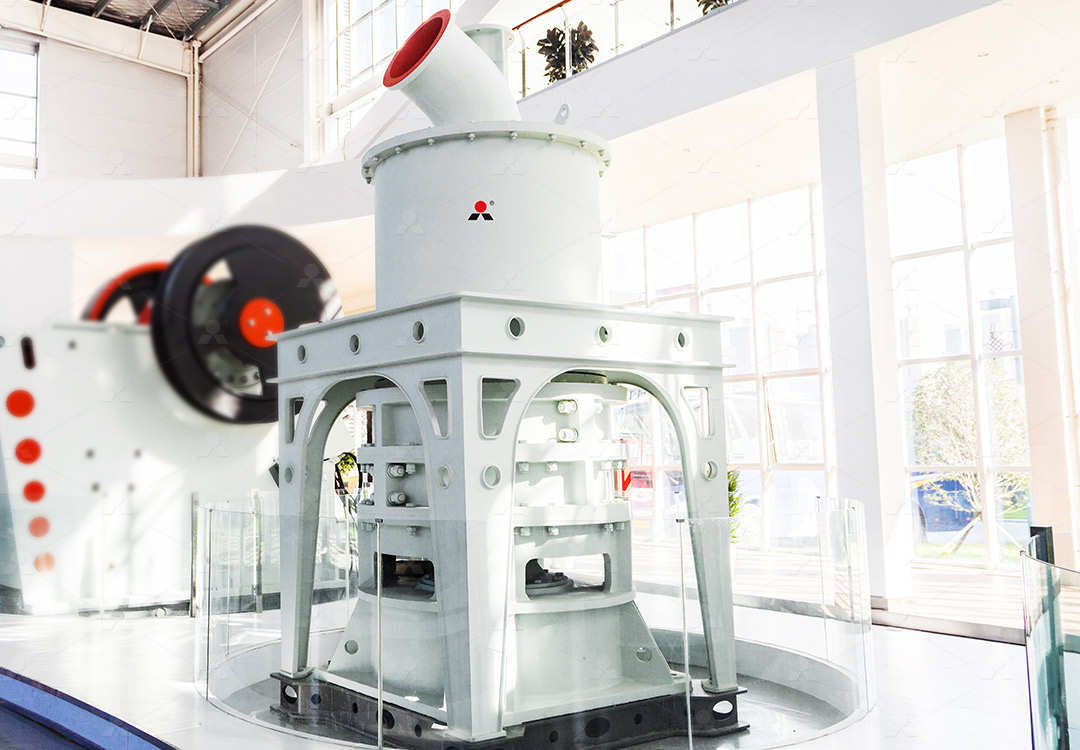
A cornerstone of its performance is the German-technology-inspired cage-type powder selector. This device ensures precise particle separation, allowing for accurate fineness adjustment. The mill’s internal design eliminates rolling bearings and screws in the grinding chamber, a revolutionary feature that removes the risk of bearing failure or loose components causing breakdowns. Combined with an external lubrication system that allows for maintenance without shutdown, the MW Mill promises continuous, worry-free 24/7 operation—a critical factor for meeting tight production schedules.
Operational and Environmental Synergy
Modern manufacturing must align productivity with environmental stewardship. A superior talc grinding mill addresses both imperatives. The MW Ultrafine Grinding Mill, for instance, is equipped with an efficient pulse dust collector and integrated muffler system. This ensures that the entire milling process generates no dust pollution and operates at low noise levels, fully complying with stringent national environmental protection standards. The result is a cleaner, safer workplace and a sustainable production line that communities and regulators trust.
Furthermore, digitalized manufacturing processes ensure high precision in core components. From CNC-cut steel plates to automated assembly, this precision translates to stable grinding performance, consistent product quality, and extended equipment life. Supported by a manufacturer that guarantees a sufficient supply of original spare parts and technical support, plant managers can achieve truly worry-free operation.
Making the Strategic Choice
Selecting the right talc grinding mill requires a careful analysis of production goals. Consider the required fineness range, desired hourly capacity (from small-scale 0.5 tph to large-scale 25 tph+), total energy budget, and available plant space. For ultra-fine putty powder where brightness, smoothness, and chemical purity are paramount, a mill like the MW Ultrafine Grinding Mill is an investment that pays dividends in product premiumization and operational cost savings.
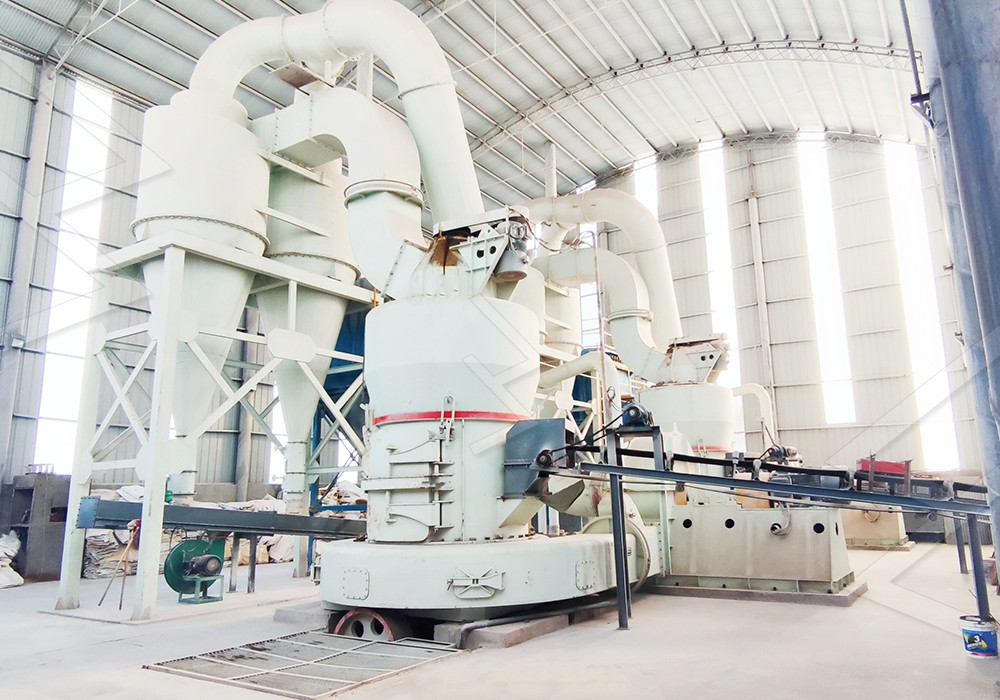
In conclusion, the journey from raw talc to a premium putty powder ingredient is defined by the grinding technology employed. By moving beyond conventional milling to embrace advanced, integrated systems designed for ultra-fine processing, manufacturers can achieve a decisive competitive edge. The focus shifts from mere grinding to creating value through superior particle technology, operational resilience, and environmental responsibility.
Frequently Asked Questions (FAQs)
1. What is the typical fineness range required for talc in putty powder, and can your mills achieve it?
High-quality putty powder typically requires talc ground to a fineness between 600 and 1250 meshes (approximately 10-23 microns). Our advanced mills, particularly the MW Ultrafine Grinding Mill, are specifically designed to produce powder in a wide range from 325 to 2500 meshes, easily meeting and exceeding the requirements for premium putty formulations.
2. How does your milling technology manage dust control, which is a major concern with fine talc?
Our mills are engineered with integrated environmental systems. The MW Mill, for example, comes with a high-efficiency pulse dust collector as standard. This system ensures that all airborne particles generated during grinding are captured and contained, resulting in a dust-free operation that protects both workers and the environment, and complies with strict emission standards.
3. We have issues with frequent maintenance downtime on our current mill. How do your designs address reliability?
Reliability is a core design principle. A key feature of the MW Ultrafine Grinding Mill is the absence of rolling bearings and screws inside the grinding chamber. This eliminates the most common causes of mechanical failure in such environments. Additionally, the external lubrication system allows for maintenance without stopping production, maximizing uptime and enabling continuous 24-hour operation.
4. What is the advantage of your cage-type powder selector over traditional classifiers?
The cage-type powder selector, incorporating German technology, offers far superior precision in particle separation. It allows for accurate and stable control over the final product’s cut point (d97). This means you get a tighter, more consistent particle size distribution, which is crucial for the performance characteristics of putty, such as smoothness and density.
5. Can your mills handle variations in feed material size, and what is the optimal input?
Yes, our mills are designed to be robust. For instance, the MW Ultrafine Grinding Mill accepts a feed size of 0-20 mm. We recommend using a preceding crusher (like a jaw crusher or hammer mill) to ensure material is pre-crushed to within this range for optimal grinding efficiency and to protect the mill’s internals from oversized particles.
6. How significant are the energy savings compared to a traditional ball mill?
The savings are substantial. Due to its efficient grinding curve and system design, the MW Ultrafine Grinding Mill can achieve the same or higher output at a significantly lower energy cost. In comparative operations, its system energy consumption can be as low as 30% of that of a jet mill and offers vastly superior efficiency over a ball mill, directly reducing your cost per ton of produced powder.