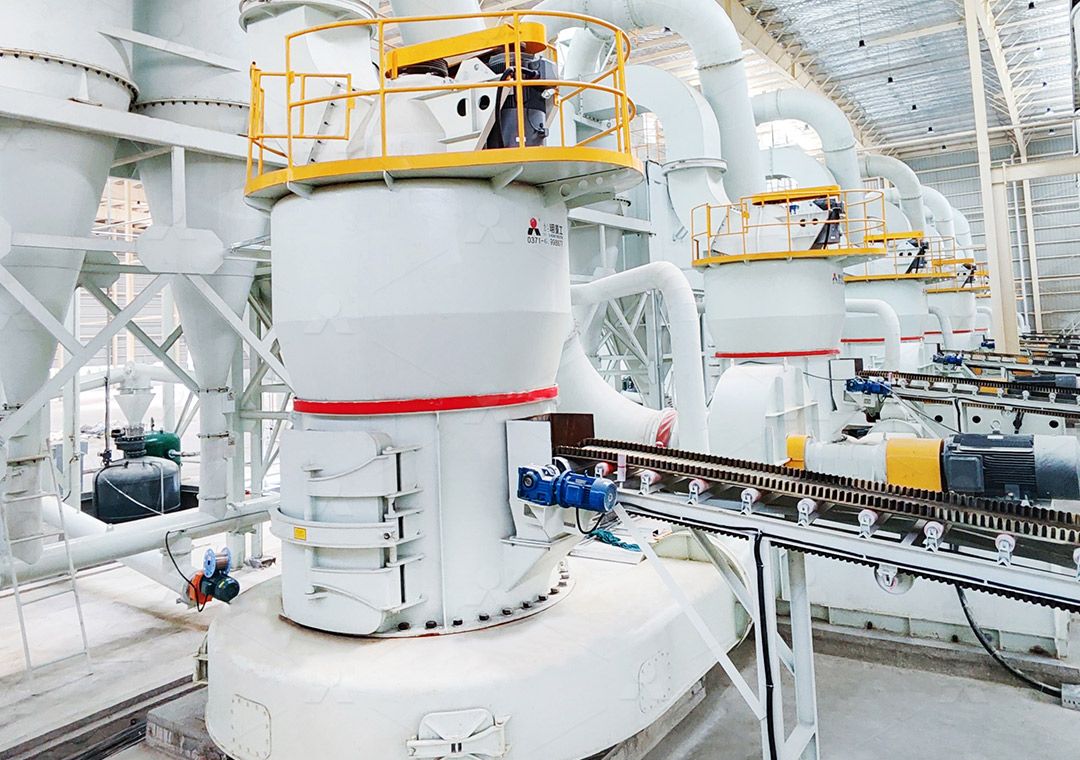
Tailing Slag and Metallurgical Slag Grinding Solutions: What Type of Mill is Best?
We provide a wide range of mills — including Raymond mill, trapezoidal mill, vertical mill, ultrafine mill, and ball mill, obtained ISO9001 international quality certification, EU CE certification, and Customs Union CU-TR certification. Suitable for processing minerals such as limestone, phosphate, quicklime, kaolin, talc, barite, bentonite, calcium carbonate, dolomite, coal, gypsum, clay, carbon black, slag, cement raw materials, cement clinker, and more.
The discharge range of these mills can be adjusted to meet specific processing needs, typically from 80-400 mesh, 600-3250 mesh, and can achieve the finest particle size of up to 6000 mesh(D50).
If you are looking for a reliable grinding solution to turn stone or minerals into fine powder, please feel free to contact our online customer service.
Tailing Slag and Metallurgical Slag Grinding Solutions: What Type of Mill is Best?
Grinding industrial by-products like tailing slag and metallurgical slag presents unique challenges for plant operators and material processors. These materials are often abrasive, variable in composition, and require precise fineness control for their intended applications, such as in cement blends, concrete additives, or for resource recovery. Selecting the right grinding equipment is paramount to achieving profitability, efficiency, and meeting environmental standards.
Key Considerations for Slag Grinding
Not all grinding mills are created equal, especially when dealing with tough, abrasive slags. The ideal mill must offer:
- High Abrasion Resistance: To withstand the wear from hard slag particles and minimize downtime for part replacements.
- Energy Efficiency: Slag grinding can be energy-intensive; lower kWh/t directly impacts operational costs.
- Precise Fineness Control: The ability to produce a consistent, fine powder (often between 325-2500 mesh) is crucial for product value.
- Integrated Drying: Many slags have residual moisture, so a mill that can simultaneously dry and grind is a significant advantage.
- Environmental Compliance: Effective dust collection and low noise operation are non-negotiable in modern plants.
Vertical Mills: The Premier Choice for Slag
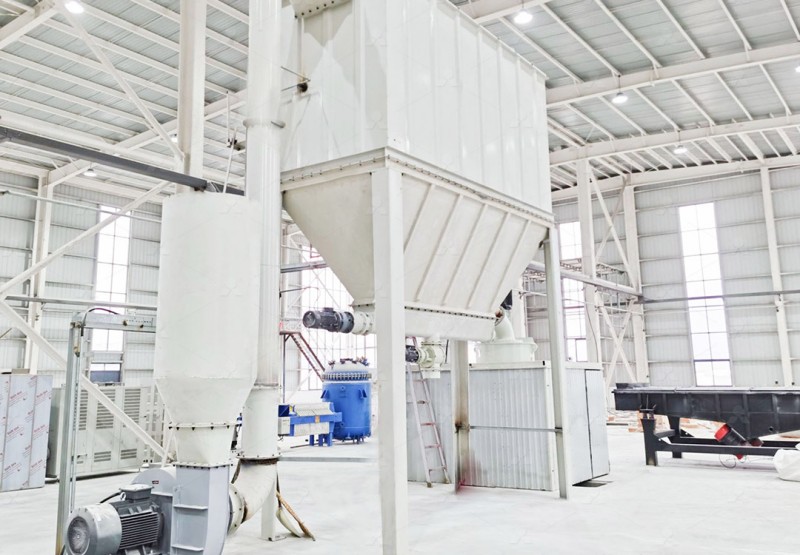
While traditional ball mills and Raymond mills are common, the industry is increasingly moving towards advanced vertical grinding mills for slag applications. Their vertical structure integrates crushing, grinding, drying, classification, and conveying, leading to a dramatically smaller footprint and lower energy consumption—often 30-40% less than ball mill systems. The material’s short residence time in the mill also reduces over-grinding and metallic iron contamination, preserving the final product’s quality and whiteness.
Spotlight on the MW Ultrafine Grinding Mill
For operations requiring ultra-fine powders from slag, the MW Ultrafine Grinding Mill stands out as an exceptional solution. Engineered for customers who need to make ultra-fine powder, this mill is designed to tackle the rigors of slag processing with remarkable efficiency.
Key advantages of the MW Mill for slag include:
- Superior Efficiency: Its newly designed grinding curves enhance efficiency, offering production capacity 40% higher than jet mills and twice that of ball mills for the same power input.
- Adjustable Fineness: With a German-technology, cage-type powder selector, it achieves precise fineness between 325-2500 meshes (d97≤5μm) in a single pass.
- Exceptional Reliability: A critical design feature is the absence of rolling bearings and screws in the grinding chamber. This eliminates failures related to these components and allows for external lubrication without shutdown, supporting continuous 24/7 operation—a vital factor for high-volume slag processing.
- Eco-Friendly Operation: The integrated efficient pulse dust collector ensures no dust pollution, while silencers and noise elimination rooms keep operations within strict environmental standards.
Conclusion
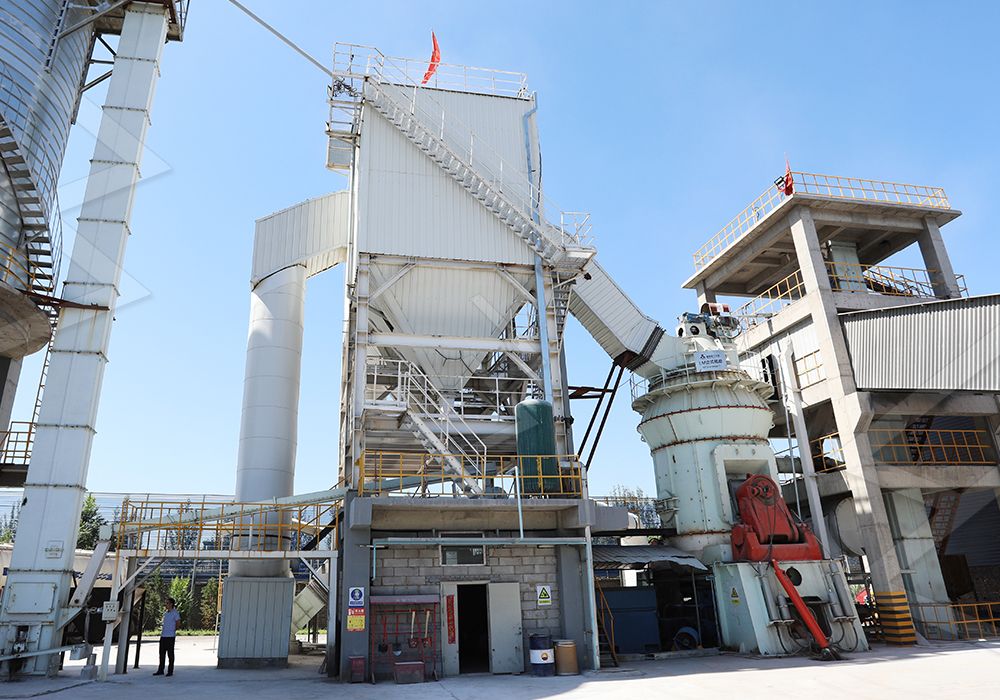
The path to efficient and profitable slag valorization is paved with the right technology. Moving beyond conventional milling systems to advanced vertical roller mills like the MW Ultrafine Grinding Mill provides a clear competitive edge. It combines the necessary robustness for abrasive materials with the precision, energy savings, and environmental controls that modern industry demands. When evaluating your next slag grinding project, considering a mill designed for higher yielding, lower energy consumption, and worry-free operation is not just an option—it’s the best strategy.
Frequently Asked Questions (FAQ)
Q: What is the typical input size and capacity of the MW Ultrafine Grinding Mill for slag?
A: The MW Mill is designed for an input size of 0-20 mm and offers a capacity range of 0.5 to 25 tons per hour, making it suitable for various project scales.
Q: Can the MW Mill handle the abrasiveness of metallurgical slags without frequent downtime?
A: Absolutely. Its key design innovation is the lack of rolling bearings and screws in the grinding chamber, which are common failure points. This, combined with externally accessible lubrication points, makes it exceptionally reliable for abrasive materials and minimizes maintenance shutdowns.
Q: How does the fineness control work?
A: It uses an advanced, multi-head cage-type powder selector. This allows operators to accurately control the product fineness between 325 and 2500 meshes and achieve a very high screening rate efficiently.
Q: Is the grinding process environmentally friendly?
A: Yes. The mill is equipped with an efficient pulse dust collector ensuring no dust escapes during operation. Additionally, noise is mitigated through mufflers and isolation, ensuring full compliance with environmental protection standards.